
Leviticus 13
BSB1 Then the LORD said to Moses and Aaron, 2 “When someone has a swelling or rash or bright spot on his skin that could become an infectious skin disease, he must be brought to Aaron the priest or to one of his sons who is a priest. 3 The priest is to examine the infection on his skin, and if the hair in the infection has turned white and the sore appears to be deeper than the skin, it is a skin disease. After the priest examines him, he must pronounce him unclean. 4 If, however, the spot on his skin is white and does not appear to be deeper than the skin, and the hair in it has not turned white, the priest shall isolate the infected person for seven days. 5 On the seventh day the priest is to reexamine him, and if he sees that the infection is unchanged and has not spread on the skin, the priest must isolate him for another seven days. 6 The priest will examine him again on the seventh day, and if the sore has faded and has not spread on the skin, the priest shall pronounce him clean; it is a rash. The person must wash his clothes and be clean. 7 But if the rash spreads further on his skin after he has shown himself to the priest for his cleansing, he must present himself again to the priest. 8 The priest will reexamine him, and if the rash has spread on the skin, the priest must pronounce him unclean; he has a skin disease. 9 When anyone develops a skin disease, he must be brought to the priest. 10 The priest will examine him, and if there is a white swelling on the skin that has turned the hair white, and there is raw flesh in the swelling, 11 it is a chronic skin disease and the priest must pronounce him unclean. He need not isolate him, for he is unclean. 12 But if the skin disease breaks out all over his skin so that it covers all the skin of the infected person from head to foot, as far as the priest can see, 13 the priest shall examine him, and if the disease has covered his entire body, he is to pronounce the infected person clean. Since it has all turned white, he is clean. 14 But whenever raw flesh appears on someone, he will be unclean. 15 When the priest sees the raw flesh, he must pronounce him unclean. The raw flesh is unclean; it is a skin disease. 16 But if the raw flesh changes and turns white, he must go to the priest. 17 The priest will reexamine him, and if the infection has turned white, the priest is to pronounce the infected person clean; then he is clean. 18 When a boil appears on someone’s skin and it heals, 19 and a white swelling or a reddish-white spot develops where the boil was, he must present himself to the priest. 20 The priest shall examine it, and if it appears to be beneath the skin and the hair in it has turned white, the priest shall pronounce him unclean; it is a diseased infection that has broken out in the boil. 21 But when the priest examines it, if there is no white hair in it, and it is not beneath the skin and has faded, the priest shall isolate him for seven days. 22 If it spreads any further on the skin, the priest must pronounce him unclean; it is an infection. 23 But if the spot remains unchanged and does not spread, it is only the scar from the boil, and the priest shall pronounce him clean. 24 When there is a burn on someone’s skin and the raw area of the burn becomes reddish-white or white, 25 the priest must examine it. If the hair in the spot has turned white and the spot appears to be deeper than the skin, it is a disease that has broken out in the burn. The priest must pronounce him unclean; it is a diseased infection. 26 But if the priest examines it and there is no white hair in the spot, and it is not beneath the skin but has faded, the priest shall isolate him for seven days. 27 On the seventh day the priest is to reexamine him, and if it has spread further on the skin, the priest must pronounce him unclean; it is a diseased infection. 28 But if the spot is unchanged and has not spread on the skin but has faded, it is a swelling from the burn, and the priest is to pronounce him clean; for it is only the scar from the burn. 29 If a man or woman has an infection on the head or chin, 30 the priest shall examine the infection, and if it appears to be deeper than the skin and the hair in it is yellow and thin, the priest must pronounce him unclean; it is a scaly outbreak, an infectious disease of the head or chin. 31 But if the priest examines the scaly infection and it does not appear to be deeper than the skin, and there is no black hair in it, the priest shall isolate the infected person for seven days. 32 On the seventh day the priest is to reexamine the infection, and if the scaly outbreak has not spread and there is no yellow hair in it, and it does not appear to be deeper than the skin, 33 then the person must shave himself except for the scaly area. Then the priest shall isolate him for another seven days. 34 On the seventh day the priest shall examine the scaly outbreak, and if it has not spread on the skin and does not appear to be deeper than the skin, the priest is to pronounce him clean. He must wash his clothes, and he will be clean. 35 If, however, the scaly outbreak spreads further on the skin after his cleansing, 36 the priest is to examine him, and if the scaly outbreak has spread on the skin, the priest need not look for yellow hair; the person is unclean. 37 If, however, in his sight the scaly outbreak is unchanged and black hair has grown in it, then it has healed. He is clean, and the priest is to pronounce him clean. 38 When a man or a woman has white spots on the skin, 39 the priest shall examine them, and if the spots are dull white, it is a harmless rash that has broken out on the skin; the person is clean. 40 Now if a man loses his hair and is bald, he is still clean. 41 Or if his hairline recedes and he is bald on his forehead, he is still clean. 42 But if there is a reddish-white sore on the bald head or forehead, it is an infectious disease breaking out on it. 43 The priest is to examine him, and if the swelling of the infection on his bald head or forehead is reddish-white like a skin disease, 44 the man is diseased; he is unclean. The priest must pronounce him unclean because of the infection on his head. 45 A diseased person must wear torn clothes and let his hair hang loose, and he must cover his mouth and cry out, ‘Unclean, unclean!’ 46 As long as he has the infection, he remains unclean. He must live alone in a place outside the camp. 47 If any fabric is contaminated with mildew —any wool or linen garment, 48 any weave or knit of linen or wool, or any article of leather— 49 and if the mark in the fabric, leather, weave, knit, or leather article is green or red, then it is contaminated with mildew and must be shown to the priest. 50 And the priest is to examine the mildew and isolate the contaminated fabric for seven days. 51 On the seventh day the priest shall reexamine it, and if the mildew has spread in the fabric, weave, knit, or leather, then regardless of how it is used, it is a harmful mildew; the article is unclean. 52 He is to burn the fabric, weave, or knit, whether the contaminated item is wool or linen or leather. Since the mildew is harmful, the article must be burned up. 53 But when the priest reexamines it, if the mildew has not spread in the fabric, weave, knit, or leather article, 54 the priest is to order the contaminated article to be washed and isolated for another seven days. 55 After it has been washed, the priest is to reexamine it, and if the mildewed article has not changed in appearance, it is unclean. Even though the mildew has not spread, you must burn it, whether the rot is on the front or back. 56 If the priest examines it and the mildew has faded after it has been washed, he must cut the contaminated section out of the fabric, leather, weave, or knit. 57 But if it reappears in the fabric, weave, or knit, or on any leather article, it is spreading. You must burn the contaminated article. 58 If the mildew disappears from the fabric, weave, or knit, or any leather article after washing, then it is to be washed again, and it will be clean. 59 This is the law concerning a mildew contamination in wool or linen fabric, weave, or knit, or any leather article, for pronouncing it clean or unclean."
Study Notes — Leviticus 13
- Chapter Summary
- Context for the Chapter
- Heart Application
- What Does This Chapter Mean?
- Voices from the Church
- Outline for Preaching
- Core Doctrines
- Lessons from Leviticus 13
- Themes from Leviticus 13
- Questions for Meditation
- Detailed Chapter Outline
- Frequently Asked Questions
- Top Cross References
- Sermons on Leviticus 13
- Matthew Henry Commentary
- What Do You Notice?
Chapter Summary
Leviticus chapter 13 provides detailed instructions for the diagnosis and treatment of skin diseases, including leprosy, and other bodily discharges. The chapter begins by describing the procedures for examining skin diseases, with the priest playing a crucial role in determining whether an individual is clean or unclean (Leviticus 13:1-8). The chapter then discusses the different types of skin diseases, including leprosy, and the procedures for cleansing and readmitting individuals to the community (Leviticus 13:9-46). The chapter also addresses the issue of mold and mildew in garments and houses, providing instructions for their cleansing and removal (Leviticus 13:47-59). Throughout the chapter, the emphasis is on maintaining ritual purity and the importance of following God's instructions for the well-being of the community.
Context for the Chapter
Leviticus chapter 13 is part of the larger book of Leviticus, which is a collection of laws and instructions given to the Israelites by God through Moses. The chapter is situated in the midst of a series of laws related to ritual purity and the tabernacle, emphasizing the importance of maintaining a holy and separate community. The chapter is also connected to the broader biblical narrative, which emphasizes God's desire for His people to be holy and set apart from the world. In Exodus 19:5-6, we see God's call to the Israelites to be a holy nation, which is fulfilled in the laws and instructions given in Leviticus.
Heart Application
As we read through Leviticus chapter 13, we are reminded of the importance of living a holy and separate life. We are called to be set apart from the world and to maintain a deep sense of ritual purity in our hearts and lives. This requires us to examine our own lives and to seek spiritual guidance and cleansing from God. In 1 Peter 1:15-16, we see the call to be holy and separate, which is fulfilled in our obedience to God's commands and our pursuit of righteousness.
What Does This Chapter Mean?
Leviticus chapter 13 is about the laws of purity and cleansing, specifically focusing on skin diseases and bodily discharges. The chapter emphasizes the importance of maintaining ritual purity and the role of the priest in determining cleanliness. In Leviticus 13:2, we see the importance of seeking spiritual guidance and following God's instructions for the well-being of the community. The chapter serves as a reminder of God's holiness and the need for His people to be set apart from the world.
Voices from the Church
“The law of the leper is a very expressive emblem of the law of sin, and the way in which it separates us from God and from one another.”
— Charles Spurgeon
“The priest's office was not only to offer sacrifices, but also to distinguish between the clean and the unclean, and to pronounce judgment upon those who were infected with the leprosy of sin.”
— John Calvin
“The leprosy of sin is a disease that affects not only the body, but also the soul, and it requires a spiritual cleansing and healing that only God can provide.”
— Martin Luther
Outline for Preaching
- Introduction to Skin Diseases (13:1-8) — The chapter begins by describing the procedures for examining skin diseases, with the priest playing a crucial role in determining whether an individual is clean or unclean.
- Leprosy and Other Skin Diseases (13:9-28) — The chapter discusses the different types of skin diseases, including leprosy, and the procedures for cleansing and readmitting individuals to the community.
- Cleansing and Readmission (13:29-37) — The chapter provides instructions for the cleansing and readmission of individuals who have been healed from their diseases or discharges.
- Mold and Mildew in Garments and Houses (13:47-59) — The chapter addresses the issue of mold and mildew in garments and houses, providing instructions for their cleansing and removal.
- Conclusion and Summary (13:59) — The chapter concludes by summarizing the importance of maintaining ritual purity and following God's instructions for the well-being of the community.
Core Doctrines
- Ritual Purity
- Leviticus chapter 13 teaches the importance of maintaining ritual purity and avoiding anything that is considered unclean. This doctrine is fulfilled in Christ, who provides the ultimate cleansing and healing for humanity.
- The Priesthood of Christ
- The chapter highlights the role of the priest in diagnosing and treating skin diseases, which is fulfilled in Christ, who is our great High Priest and provides spiritual guidance and cleansing.
- The Symbolism of Leprosy
- The chapter uses leprosy as a symbol of sin and uncleanness, highlighting the importance of understanding the deeper spiritual significance of physical realities. This doctrine is fulfilled in Christ, who provides the ultimate cleansing and healing from sin.
- The Importance of Spiritual Guidance
- The chapter emphasizes the importance of seeking spiritual guidance and following God's instructions for the well-being of the community. This doctrine is fulfilled in Christ, who provides the ultimate spiritual guidance and cleansing.
Lessons from Leviticus 13
- The Importance of Ritual Purity — The chapter teaches us the importance of maintaining ritual purity and avoiding anything that is considered unclean. This lesson is fulfilled in Christ, who provides the ultimate cleansing and healing for humanity.
- The Role of the Priest — The chapter highlights the role of the priest in diagnosing and treating skin diseases, which is fulfilled in Christ, who is our great High Priest and provides spiritual guidance and cleansing.
- The Symbolism of Leprosy — The chapter uses leprosy as a symbol of sin and uncleanness, highlighting the importance of understanding the deeper spiritual significance of physical realities. This lesson is fulfilled in Christ, who provides the ultimate cleansing and healing from sin.
- The Importance of Spiritual Guidance — The chapter emphasizes the importance of seeking spiritual guidance and following God's instructions for the well-being of the community. This lesson is fulfilled in Christ, who provides the ultimate spiritual guidance and cleansing.
- The Ultimate Cleansing and Healing — The chapter teaches us about the ultimate cleansing and healing provided by God, which is fulfilled in Christ, who provides the ultimate cleansing and healing for humanity.
Themes from Leviticus 13
- Ritual Purity — The chapter emphasizes the importance of maintaining ritual purity and avoiding anything that is considered unclean. This theme is fulfilled in Christ, who provides the ultimate cleansing and healing for humanity.
- The Priesthood of Christ — The chapter highlights the role of the priest in diagnosing and treating skin diseases, which is fulfilled in Christ, who is our great High Priest and provides spiritual guidance and cleansing.
- The Symbolism of Leprosy — The chapter uses leprosy as a symbol of sin and uncleanness, highlighting the importance of understanding the deeper spiritual significance of physical realities. This theme is fulfilled in Christ, who provides the ultimate cleansing and healing from sin.
- The Importance of Spiritual Guidance — The chapter emphasizes the importance of seeking spiritual guidance and following God's instructions for the well-being of the community. This theme is fulfilled in Christ, who provides the ultimate spiritual guidance and cleansing.
- The Ultimate Cleansing and Healing — The chapter teaches us about the ultimate cleansing and healing provided by God, which is fulfilled in Christ, who provides the ultimate cleansing and healing for humanity.
Questions for Meditation
- What does the chapter teach about the importance of ritual purity, and how can we apply this to our own lives?
- How does the role of the priest in diagnosing and treating skin diseases relate to the priesthood of Christ?
- What does the symbolism of leprosy teach us about the nature of sin and uncleanness, and how can we apply this to our own lives?
- How does the chapter emphasize the importance of spiritual guidance and following God's instructions, and how can we apply this to our own lives?
- What does the chapter teach about the ultimate cleansing and healing provided by God, and how can we experience this in our own lives?
Detailed Chapter Outline
1. Introduction to Skin Diseases (13:1-8)
| 13:1 | The chapter begins by introducing the topic of skin diseases, with the Lord speaking to Moses and Aaron about the procedures for examining these diseases. |
| 13:2 | The verse describes the procedures for examining skin diseases, with the priest playing a crucial role in determining whether an individual is clean or unclean. |
2. Leprosy and Other Skin Diseases (13:9-28)
| 13:9 | The verse describes the different types of skin diseases, including leprosy, and the procedures for cleansing and readmitting individuals to the community. |
| 13:10 | The verse provides further instructions for the examination and treatment of skin diseases, highlighting the importance of ritual purity. |
3. Cleansing and Readmission (13:29-37)
| 13:29 | The verse provides instructions for the cleansing and readmission of individuals who have been healed from their diseases or discharges. |
| 13:30 | The verse emphasizes the importance of following God's instructions for the well-being of the community. |
4. Mold and Mildew in Garments and Houses (13:47-59)
| 13:47 | The verse addresses the issue of mold and mildew in garments and houses, providing instructions for their cleansing and removal. |
| 13:48 | The verse provides further instructions for the examination and treatment of mold and mildew, highlighting the importance of ritual purity. |
5. Conclusion and Summary (13:59)
| 13:59 | The chapter concludes by summarizing the importance of maintaining ritual purity and following God's instructions for the well-being of the community. |
Frequently Asked Questions
What is the significance of skin diseases in Leviticus chapter 13?
Skin diseases in Leviticus chapter 13 are used to symbolize sin and uncleanness, highlighting the importance of maintaining ritual purity and following God's instructions for the well-being of the community. In Leviticus 13:2, we see the importance of seeking spiritual guidance and following God's instructions for the well-being of the community.
What is the role of the priest in diagnosing and treating skin diseases?
The priest plays a crucial role in diagnosing and treating skin diseases, as they are responsible for determining whether an individual is clean or unclean. In Leviticus 13:2, we see the priest's role in examining individuals with skin diseases.
What does the chapter teach about the ultimate cleansing and healing provided by God?
The chapter teaches that God provides the ultimate cleansing and healing for humanity, which is fulfilled in Christ. In Leviticus 13:2, we see the importance of seeking spiritual guidance and following God's instructions for the well-being of the community, which is fulfilled in Christ.
Top Cross References
| Reference | Connection | |
|---|---|---|
| 1 | Leviticus 13:2 → Matthew 8:1-4 | The procedures for examining and treating skin diseases in Leviticus 13:2 are fulfilled in Christ's ministry, where He heals a leper and emphasizes the importance of faith and obedience. |
| 2 | Leviticus 13:9 → Mark 1:40-42 | The description of leprosy in Leviticus 13:9 is fulfilled in Christ's encounter with a leper, where He emphasizes the importance of compassion and healing. |
| 3 | Leviticus 13:10 → Luke 17:11-19 | The procedures for cleansing and readmitting individuals to the community in Leviticus 13:10 are fulfilled in Christ's encounter with ten lepers, where He emphasizes the importance of gratitude and faith. |
| 4 | Leviticus 13:29 → John 9:1-12 | The instructions for the cleansing and readmission of individuals who have been healed from their diseases or discharges in Leviticus 13:29 are fulfilled in Christ's encounter with a blind man, where He emphasizes the importance of spiritual sight and faith. |
| 5 | Leviticus 13:47 → Hebrews 10:19-25 | The address of mold and mildew in garments and houses in Leviticus 13:47 is fulfilled in the New Testament, where Christ's sacrifice provides the ultimate cleansing and healing for humanity. |
| 6 | Leviticus 13:2 → Exodus 19:5-6 | The procedures for examining and treating skin diseases in Leviticus 13:2 are connected to the broader biblical narrative, where God calls the Israelites to be a holy nation. |
| 7 | Leviticus 13:9 → Deuteronomy 24:8-9 | The description of leprosy in Leviticus 13:9 is connected to the broader biblical narrative, where God emphasizes the importance of maintaining ritual purity and following His instructions. |
| 8 | Leviticus 13:10 → Ezekiel 36:25-27 | The procedures for cleansing and readmitting individuals to the community in Leviticus 13:10 are connected to the broader biblical narrative, where God promises to cleanse and restore His people. |
| 9 | Leviticus 13:29 → Zechariah 13:1 | The instructions for the cleansing and readmission of individuals who have been healed from their diseases or discharges in Leviticus 13:29 are connected to the broader biblical narrative, where God promises to cleanse and restore His people. |
| 10 | Leviticus 13:47 → Revelation 21:27 | The address of mold and mildew in garments and houses in Leviticus 13:47 is connected to the broader biblical narrative, where God promises to create a new heaven and a new earth, free from sin and uncleanness. |
Sermons on Leviticus 13
| Sermon | Description | |
|---|---|---|

|
How to Have a Personal Revival by A.W. Tozer | In this sermon, the preacher emphasizes the importance of having a personal revival. He encourages listeners to set their faces like flint, meaning to have a determined and unwaver |

|
The Glory of God - Part 3 by David Platt | This sermon challenges believers to risk it all for the glory of Christ among those who have not heard His name, emphasizing the urgency of sharing the Gospel with the lost. It hig |

|
Effective Study by William MacDonald | In this sermon, the speaker emphasizes the importance of starting with a short portion of scripture rather than trying to study a whole chapter. They highlight the value of breakin |

|
Where Are the Nine by Jim Cymbala | In this sermon, the preacher emphasizes the importance of being thankful to God. He highlights that when people are not thankful, they lack grace in their lives. The preacher encou |

|
(Through the Bible) Leviticus by Zac Poonen | This sermon delves into the book of Leviticus, highlighting the importance of understanding God's heart behind the detailed instructions given. It emphasizes the themes of holiness |

|
The Feasts of Jehovah 03 Unleavened Bread by John W. Bramhall | In this sermon, the speaker focuses on the concept of the "seven feet of Jehovah" as mentioned in the book of Leviticus. The primary application of these feet is described as the s |

|
Naaman the Leper by Denis Lyle | Denis Lyle preaches about the story of Naaman from 2 Kings 5:1-19, drawing parallels between Naaman's physical cleansing from leprosy and the spiritual cleansing from sin that beli |

|
Does Association With Evil Defile? by A.E. Booth | A.E. Booth preaches about the importance of maintaining holiness and purity in the sight of God, drawing lessons from the Old Testament types and prophecies. He emphasizes the need |
|
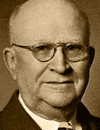
Uzziah, King of Judah, or the Danger of Success by Harry Ironside | Harry Ironside delivers a powerful sermon on King Uzziah of Judah, illustrating the peril of success and pride. Uzziah began his reign by seeking the Lord and prospered greatly, bu |
|
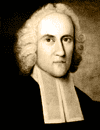
That Comforts and Joys Seem to Follow Awakenings and Convictions of Conscience, in a Certain Order, Is No Sign by Jonathan Edwards | Jonathan Edwards preaches about the process of salvation, emphasizing that before God delivers individuals from sin, they must first have a deep sense of the evil they are being sa |
Summary of Matthew Henry Commentary on Leviticus 13
In Leviticus chapter 13, we see the importance of maintaining ritual purity and following God's instructions for the well-being of the community. The chapter provides detailed instructions for the examination and treatment of skin diseases, highlighting the role of the priest in determining cleanliness. The chapter also uses symbolism to convey spiritual truths, such as the use of leprosy to represent sin and uncleanness. As Matthew Henry notes, 'the leprosy of sin is a disease that affects not only the body, but also the soul, and it requires a spiritual cleansing and healing that only God can provide.' The chapter serves as a reminder of God's holiness and the need for His people to be set apart from the world, and it points forward to the ultimate cleansing and healing provided by Christ. Read the full unabridged Matthew Henry Commentary →
What Do You Notice?
The Importance of Ritual Purity
Throughout the chapter, there is a strong emphasis on maintaining ritual purity and avoiding anything that is considered unclean. This highlights the importance of living a holy life and being separate from the world. In Leviticus 13:1-8, we see the procedures for examining skin diseases and determining ritual purity.
The Role of the Priest
The priest plays a crucial role in diagnosing and treating skin diseases, as well as determining ritual purity. This highlights the importance of spiritual leadership and guidance in maintaining the community's well-being. In Leviticus 13:2, we see the priest's role in examining individuals with skin diseases.
The Use of Symbolism
The chapter uses symbolism to convey spiritual truths, such as the use of leprosy to represent sin and uncleanness. This highlights the importance of understanding the deeper spiritual significance of physical realities. In Leviticus 13:9-46, we see the symbolism of leprosy and its connection to sin and uncleanness.