
Matthew 23:22
Matthew 23:22 in Multiple Translations
And he who swears by heaven swears by God’s throne and by the One who sits on it.
And he that shall swear by heaven, sweareth by the throne of God, and by him that sitteth thereon.
And he that sweareth by the heaven, sweareth by the throne of God, and by him that sitteth thereon.
And he who takes an oath by heaven, takes it by the seat of God, and by him who is seated on it.
If you swear by heaven you swear by the throne of God and the one who sits there.
And he that sweareth by heauen, sweareth by the throne of God, and by him that sitteth thereon.
and he who did swear by the heaven, doth swear by the throne of God, and by Him who is sitting upon it.
He who swears by heaven, swears by the throne of God and by him who sits on it.
And he that shall swear by heaven, sweareth by the throne of God, and by him that sitteth upon it.
And he that sweareth by heaven, sweareth by the throne of God, and by him that sitteth thereon.
Those who promise to do something and then ask heaven to affirm what they promised are asking the throne of God and God, who sits on that throne, to affirm what they promised.”
Berean Standard Amplified — Matthew 23:22
BSA
Word Study
Hover over any word to see its amplified meaning. Click a word to explore its full definition and translation comparisons.
Amplified text is generated using scripting to tie together English translations for comparison. Always refer to the core BSB translation and original Hebrew/Greek text for accuracy. Anomalies may occur.
Matthew 23:22 Interlinear (Deep Study)
BIB
GRK
και
ο
ομοσας
εν
τω
ουρανω
ομνυει
εν
τω
θρονω
του
θεου
και
εν
τω
καθημενω
επανω
αυτου
και
kai
G2532
and
Conj
ο
ho
G3588
the/this/who
Art-NSM
ομοσας
omnumi
G3660
to swear
Verb-AAP-NSM
εν
en
G1722
in/on/among
Prep
τω
ho
G3588
the/this/who
Art-DSM
ουρανω
ouranos
G3772
heaven
Noun-DSM
ομνυει
omnumi
G3660
to swear
Verb-PAI-3S
εν
en
G1722
in/on/among
Prep
τω
ho
G3588
the/this/who
Art-DSM
θρονω
thronos
G2362
throne
Noun-DSM
του
ho
G3588
the/this/who
Art-GSM
θεου
theos
G2316
God
Noun-GSM
και
kai
G2532
and
Conj
εν
en
G1722
in/on/among
Prep
τω
ho
G3588
the/this/who
Art-DSM
καθημενω
kathēmai
G2521
to sit
Verb-PNP-DSM
επανω
epanō
G1883
above
Adv
αυτου
autos
G846
it/s/he
Pron-GSM
Greek Word Study
Select any word above to explore its original meaning, root, and usage across Scripture.
Use ← → arrow keys to navigate between words.
Greek Word Reference — Matthew 23:22
και
kai
G2532
"and"
Conj
And or also, a connecting word used to join ideas or words, like in Matthew 2:18 and Hebrews 1:1.
Definition: καί, conj., and __I. Copulative. __1. Connecting single words; __(a) in general: Mat.2:18, 16:1, Mrk.2:15, Luk.8:15, Heb.1:1, al. mult.; repeated before each of the terms in a series, Mat.23:23, Luk.14:21, Rom.7:12, 9:4, al. __(b) connecting numerals (WM, §37, 4): Jhn.2:20, Act.13:20; __(with) joining terms which are not mutually exclusive, as the part with the whole: Mat.8:33, 26:59, Mrk.16:17, Act.5:29, al. __2. Connecting clauses and sentences: Mat.3:12, Act.5:21, al. mult.; esp. __(a) where, after the simplicity of the popular language, sentences are paratactically joined (WM, §60, 3; M, Pr., 12; Deiss., LAE, 128ff.): Mat.1:21, 7:25, Mrk.9:5, Jhn.10:3, al.; __(b) joining affirmative to negative sentences: Luk.3:14, Jhn.4:11, IIIJhn.10; __(with) consecutive, and so: Mat.5:1, 23:32, Heb.3:19, al.; after imperatives, Mat.4:19, Luk.7:7, al.; __(d) = καίτοι, and yet: Mat.3:14, 6:26, Mrk.12:12, Luk.18:7 (Field, Notes, 72), 1Co.5:2, al.; __(e) beginning an apodosis (= Heb. וְ; so sometimes δέ in cl.), then: Luk.2:21, 7:12, Act.1:10; beginning a question (WM, §53, 3a): Mrk.10:26, Luk.10:29, Jhn.9:36. __3. Epexegetic, and, and indeed, namely (WM, §53, 3c): Luk.3:18, Jhn.1:16, Act.23:6, Rom.1:5, 1Co.3:5, al. __4. In transition: Mat.4:23, Mrk.5:1, 21, Jhn.1:19, al.; so, Hebraistically, καὶ ἐγένετο (וַי:הִי; also ἐγένετο δέ), Mrk.1:9 (cf. Luk.5:1; V. Burton, §§357-60; M, Pr., 14, 16). __5. καὶ . . . καί, both . . . and (for τε . . . καί, see: τε); __(a) connecting single words: Mat.10:28, Mrk.4:41, Rom.11:33, al.; __(b) clauses and sentences: Mrk.9:13, Jhn.7:28, 1Co.1:22, al. __II. Adjunctive, also, even, still: Mat.5:39, 40; Mrk.2:28, al. mult.; esp. with pron., adv., etc., Mat.20:4, Jhn.7:47, al; ὡς κ., Act.11:17; καθὼς κ., Rom.15:7; οὑτω κ., Rom.6:11; διὸ κ., Luk.1:35; ὁ κ. (Deiss., BS, 313ff.), Act.13:9; pleonastically, μετὰ κ.. (Bl., §77, 7; Deiss., BS, 265f,), Php.4:3; τί κ., 1 Co 15:29; ἀλλὰ κ., Luk.14:22, Jhn.5:18, al.; καίγε (M, Pr., 230; Burton, §437), Act.17:27; καίπερ, Heb.5:8; κ. ἐάν, see: ἐάν. ἐάν, contr. fr. εἰ ἄν, conditional particle, representing something as "under certain circumstances actual or liable to happen," but not so definitely expected as in the case of εἰ with ind. (Bl., §65, 4; cf. Jhn.13:17, 1Co.7:36), if haply, if; __1. with subjc. (cl.); __(a) pres.: Mat.6:22, Luk.10:6, Jhn.7:17, Rom.2:25, 26 al.; { __(b) aor. (= Lat. fut. pf.): Mat.4:9 16:26 (cf. ptcp. in Luk.9:25; M, Pr., 230), Mrk.3:24, Luk.14:34, Jhn.5:43, Rom.7:2, al.; = cl. εἰ, with opt., Jhn.9:22 11:57, Act.9:2; as Heb. אִם = ὅταν, Jhn.12:32 14:3, I Jhn.2:28 3:2, Heb.3:7" (LXX) . __2. C. indic, (as in late writers, fr. Arist. on; see WH, App., 171; VD, MGr. 2, App., §77; Deiss., BS, 201f., LAE, 155, 254; M, Pr., 168, 187; Bl., §65, 4); __(a) fut.: Mat.18:19 T, Luk.19:40, Act.7:7; __(b) pres.: 1Th.3:8 (see Milligan, in l.). __3. With other particles: ἐ. καί (Bl., §65, 6), Gal.6:1; ἐ. μή (M, Pr., 185, 187; Bl., l.with), with subjc. pres., Mat.10:13, 1Co.8:8, Jas.2:17, 1Jn.3:21; aor., Mat.6:15, Mrk.3:27, Jhn.3:3, Rom.10:15, Gal.1:8 2:16 (see Lft., Ellic., in ll.); ἐ. τε . . . ἐ. τε, [in LXX for אִם . . . אִם, Est.19:13, al.,] Rom.14:8. __4. = cl. ἄν (which see) after relat. pronouns and adverbs (Tdf., Pr., 96; WH, App., 173; M, Pr., 42f.; Bl., §26, 4; Mayser, 152f.; Deiss., BS, 202ff.): ὃς ἐ., Mat.5:19, Mrk.6:22, 23 Luk.17:32, 1Co.6:18, al.; ὅπου ἐ., Mat.8:19; ὁσάκις ἐ., Rev.11:6; οὗ ἐ., 1Co.16:6; καθὸ ἐ., 2Co.8:12; ὅστις ἐ., Gal.5:10. (AS)
Usage: Occurs in 5212 NT verses. KJV: and, also, both, but, even, for, if, or, so, that, then, therefore, when, yet See also: 1 Corinthians 1:1; 1 Corinthians 10:4; 1 Corinthians 16:1.
ο
ho
G3588
"the/this/who"
Art-NSM
The Greek word for 'the' or 'this', used to point out a specific person or thing, like in Acts 17:28. It can also mean 'he', 'she', or 'it'.
Definition: ὁ, ἡ, τό, the prepositive article (ἄρθρον προτακτικόν), originally a demonstr. pron. (so usually in Hom.), in general corresponding to the Eng. definite article. __I. As demonstr. pron. __1. As frequently in Hom., absol., he (she, it), his (etc.): Act.17:28 (quoted from the poet Aratus). __2. Distributive, ὁ μὲν . . . ὁ δέ, the one . . . the other: 1Co.7:7, Gal.4:22; pl., Act.14:4, 17:32, Php.1:16, al.; οἱ μὲν . . . ἄλλοι δέ, Mat.16:14, Jhn.7:12; οἱ μεν̀ . . . ὁδέ, Heb.7:21, 23. __3. In narration (without ὁ μὲν preceding), ὁ δέ, but he: Mat.2:14, Mrk.1:45, Luk.8:21, Jhn.9:38, al. mult. __II. As prepositive article, the, prefixed, __1. to nouns unmodified: ὁ θεός, τὸ φῶς, etc.; to abstract nouns, ἡ σοφία, etc., to pl. nouns which indicate a class, οἱ ἀλώπεκες, foxes, Mat.8:20, al.; to an individual as representing a class, ὁ ἐργάτης, Luk.10:7; with nom. = voc. in addresses, Mat.11:26, Jhn.19:3, Jas.5:1, al.; to things which pertain to one, ἡ χεῖρ, his hand, Mrk.3:1; to names of persons well known or already mentioned; usually to names of countries (originally adjectives), ἡ Ἰουδαία, etc. __2. To modified nouns: with of person(s) pron. genitive, μοῦ, σοῦ, etc.; with poss. pron., ἐμός, σός, etc.; with adj. between the art. and the noun, ὁ ἀγαθὸς ἄνθρωπος, Mat.12:35; the noun foll, by adj., both with art., ὁ ποιμὴν ὁ καλός, Jhn.10:11 (on ὁ ὄχλος πολύς, Jhn.12:9, see M, Pr., 84); before adjectival phrases, ἡ κατ᾽ ἐκλογὴν πρόθεσις, Rom.9:11. __3. To Other parts of speech used as substantives; __(a) neuter adjectives: τ. ἀγαθόν, etc.; __(b) cardinal numerals: ὁ εἶς, οἷ δύο, etc.; __(with) participles: ὁ βαπτίζων (= ὁ Βαπτιστής, Mat.14:2), Mrk.6:14; πᾶς ὁ, with ptcp., every one who, etc.; __(d) adverbs: τὸ πέραν, τὰ νῦν, ὁ ἔσω ἄνθρωπος; __(e) infinitives: nom., τὸ θέλειν, Rom.7:18, al.; genitive, τοῦ, after adjectives, ἄξιον τοῦ πορεύεσθαι, 1Co.16:4; verbs, ἐλαχεν τοῦ θυμιᾶσαι, Luk.1:9; and frequently in a final sense, ἐξῆλθεν ὁ σπείρειν, Mat.13:3 (on the artic. inf., see Bl., §71). __4. In the neut. to sentences, phrases or single words treated as a quotation: τὸ Ἐι δύνῃ, Mrk.9:23; τὸ ἔτι ἅπαξ, Heb.12:27; τὸ ἀνέβη, Eph.4:9, al. __5. To prepositional phrases: οἱ ἀπὸ Ἰταλίας, Heb.13:24; οἱ ἐκ νόμου, Rom.4:14; neut. accusative absol., in adverbial phrases, τὸ καθ᾽ ἡμέραν, daily, Luk.11:3; τὸ κατὰ σάρκα, as regards the flesh, Rom.9:5. __6. To nouns in the genitive, denoting kinship, association, etc.: ὁ τοῦ, the son of (unless context indicates a different relationship), Mat.10:2, al.; τὰ τοῦ θεοῦ, the things that pertain to God, Mat.16:23; τὰ τῆς εἰρήνης, Rom.14:19 (cf. M, Pr., 81ff.; Bl, §§46, 47). (AS)
Usage: Occurs in 7033 NT verses. KJV: the, this, that, one, he, she, it, etc See also: 1 Corinthians 1:1; 1 Corinthians 7:16; 1 Corinthians 11:24.
ομοσας
omnumi
G3660
"to swear"
Verb-AAP-NSM
To swear means to take or declare an oath, as seen in Matthew 26:74 and Mark 14:71. It involves affirming something by oath, often with a promise or commitment.
Definition: ὀμνύω (so Hdt. and some Att.. writers) and ὄμνυμι (so generally in Att.. prose and always in Trag.; Mrk.14:71, -ύναι), [in LXX chiefly for שָׁבַע ni. ;] to swear, affirm by oath: Mat.26:74, Mrk.14:71, Heb.7:21; before εἰ (q.v), Heb.3:11 4:3; with dative of person(s), Mrk.6:23; id. with inf., Heb.3:18; before ὅρκῳ, Act.2:30; ὀ. ὅρκον, πρός, with accusative of person(s) (cl.), Luk.1:73; with accusative (of that by which one swears; cl., see MM, xviii), Jas.5:12; before κατά, with genitive (LXX; Bl., § 34, 1), Heb.6:13, 16; before ἐν (εἰς), as in Heb. (El., § 39, 4), Mat.5:34, 36 23:16, 18 23:20-22 Rev.10:6 (Bl., § 70, 3).† (AS)
Usage: Occurs in 21 NT verses. KJV: swear See also: Acts 2:30; Mark 6:23; Hebrews 3:11.
εν
en
G1722
"in/on/among"
Prep
This word is a preposition that means in, on, or among something. It's used in many places, like Matthew 7:3 and Luke 7:37, to describe a location or relationship. It can also mean by, with, or during.
Definition: ἐν, prep, (the most frequently of all in NT), with dative (= Heb. בְּ, Lat. in, with abl.). __I. Of place, with dative of thing(s), of person(s), in, within, on, at, by, among: ἐν τ. πόλει, Luk.7:37; τ. οφθαλμῷ, Mat.7:3; τ. κοιλίᾳ, Mat.12:40; τ. ὄρει, 2Pe.1:18; τ. θρόνῳ, Rev.3:21; τ. δεξιᾷ τ. θεοῦ, Rom.8:34; ἐν ἡμῖν Abbott-Smith has ὑμῖν., Luk.1:1; of books, ἐν τ. βιβλίῳ, Gal.3:10; τ. νόμῳ, Mat.12:5, al.; ἐν τοῖς τ. Πατρός, in my Father's house (RV; cf. M, Pr., 103), Luk.2:49; trop., of the region of thought or feeling, ἐν τ. καρδίᾳ (-αις), Mat.5:28, 2Co.4:6, al.; τ. συνειδήσεσιν, 2Co.5:11; after verbs of motion, instead of εἰς (constructio praegnans, a usage extended in late Gk. beyond the limits observed in cl.; cf. Bl., §41, 1; M, Th., 12), ἀποστέλλω . . . ἐν, Mat.10:16. δέδωκεν ἐν τ. χειρί (cf. τιθέναι ἐν χερσί, Hom., Il., i, 441, al.), Jhn.3:35; id. after verbs of coming and going (not in cl.), εἰσῆλθε, Luk.9:46; ἐξῆλθεν, Luk.7:17. __II. Of state, condition, form, occupation, etc.: ἐν ζωῇ, Rom.5:10; ἐν τ. θανάτῳ, 1Jn.3:14; ἐν πειρασμοῖς, 1Pe.1:6; ἐν εἰρήνῃ, Mrk.5:25; ἐν δόξῃ, Php.4:19; ἐν πραΰτητι, Jas.3:13; ἐν μυστηρίῳ, 1Co.2:7; ἐν τ. διδαχῇ, Mrk.4:2; of a part as contained in a whole, ἐν τ. ἀμπέλῳ, Jhn.15:4; ἐν ἑνὶ σώματι, Rom.12:4; of accompanying objects or persons (simple dative in cl.), with, ἐν αἵματι, Heb.9:25; ἐν δέκα χιλιάσιν, Luk.14:31 (cf. Ju 14, Act.7:14); similarly (cl.), of clothing, armour, arms, ἐν στολαῖς, Mrk.12:38; ἐν ἐσθῆτι λαμπρᾷ, Jas.2:2; ἐν μαξαίρῃ, Luk.22:49; ἐν ῥάβδῳ, 1Co.4:21 (cf. ἐν τόξοις, Xen., Mem., 3, 9, 2); of manner (cl.), ἐν τάχει (= ταχέως), Luk.18:8 (cf. Bl., §41, 1); of spiritual influence, ἐν πνεύματι, Rom.8:9; ἐν π. ἀκαθάρτῳ, Mrk.1:23; of the mystical relation of the Christian life and the believer himself, to God and Christ (cf. ICC, Ro., 160f.; Mayor on Ju 1; M, Pr., 103): ἐν Χριστῷ, Rom.3:24, 6:11, 1Co.3:1, 4:10, 2Co.12:2, Gal.2:17, Eph.6:21, Col.4:7, 1Th.4:16, al. __III. Of the agent, instrument or means (an extension of cl. ἐν of instr.—see LS, see word Ill—corresponding to similar use of Heb. בְּ), by, with: ἐν ὑμῖν κρίνεται ὁ κόσμος (= cl. παρά, C. dative), 1Co.6:2; ἐν τ. ἄρχοντι τ. δαιμονίων, Mat.9:34; ἐν αἵματι, Heb.9:22; ἐν ὕδατι, Mat.3:11, al.; ἐν μαχαίρᾳ ἀποκτενεῖ (cf. the absol. ἐν μ., ἐν ῥάβδῳ, supr., II, which some would classify here), Rev.13:10 (cf. 6:8). Allied to this usage and distinctly Semitic are the following: ἠγόρασας . . . ἐν τ. αἵματι σου (cf. BDB, see word בְּ, III, 3), Rev.5:9; ὁμολογεῖν ἐν (= Aram. אודי בּ; cf. McNeile on Mt, I.with; M, Pr., 104), Mat.10:32, Luk.12:8; ὀμνύναι ἐν (= cl. accusative, so Jas.5:12), Mat.5:34, al.; also at the rate of, amounting to, Mrk.4:8 (WH; vv. ll., εἰς, ἒν), Act.7:14 (LXX). __IV. Of time, __(a) in or during a period: ἐν τ. ἡμέρᾳ (νυκτί), Jhn.11:9, al.; ἐν σαββάτῳ, Mat.12:2, al.; ἐν τῷ μεταξύ, meanwhile, Jhn.4:31; __(b) at the time of an event: ἐν τ. παρουσίᾳ, 1Co.15:23; ἐν τ. ἀναστάσει, Mat.22:28; __(with) with art. inf., __(α) present (so sometimes in cl., but not as in NT = ἕως; V. M, Pr., 215), while: Mat.13:4, Mrk.6:48, Gal.4:18, al.; __(β) aor., when, after: Luk.9:36, al.; __(d) within (cl.): Mat.27:40, __V. In composition: (1) meaning: (a) with adjectives, it signifies usually the possession of a quality, as ἐνάλιος, ἐν́δοξος; (b) with verbs, continuance in (before ἐν) or motion into (before εἰς), as ἐμμένω, ἐμβαίνω. (ii) Assimilation: ἐν becomes ἐμ- before β, μ, π, φ, ψ; ἐγ- before γ, κ, ξ, χ; ἐλ- before λ. But in the older MSS of NT, followed by modern editions, assimilation is sometimes neglected, as in ἐνγράφω, ἐγκαινίζω, etc. (AS)
Usage: Occurs in 2120 NT verses. KJV: about, after, against, + almost, X altogether, among, X as, at, before, between, (here-)by (+ all means), for (… sake of), + give self wholly to, (here-)in(-to, -wardly), X mightily, (because) of, (up-)on, (open-)ly, X outwardly, one, X quickly, X shortly, (speedi-)ly, X that, X there(-in, -on), through(-out), (un-)to(-ward), under, when, where(-with), while, with(-in) See also: 1 Corinthians 1:2; 1 Corinthians 15:17; 1 Peter 1:2.
τω
ho
G3588
"the/this/who"
Art-DSM
The Greek word for 'the' or 'this', used to point out a specific person or thing, like in Acts 17:28. It can also mean 'he', 'she', or 'it'.
Definition: ὁ, ἡ, τό, the prepositive article (ἄρθρον προτακτικόν), originally a demonstr. pron. (so usually in Hom.), in general corresponding to the Eng. definite article. __I. As demonstr. pron. __1. As frequently in Hom., absol., he (she, it), his (etc.): Act.17:28 (quoted from the poet Aratus). __2. Distributive, ὁ μὲν . . . ὁ δέ, the one . . . the other: 1Co.7:7, Gal.4:22; pl., Act.14:4, 17:32, Php.1:16, al.; οἱ μὲν . . . ἄλλοι δέ, Mat.16:14, Jhn.7:12; οἱ μεν̀ . . . ὁδέ, Heb.7:21, 23. __3. In narration (without ὁ μὲν preceding), ὁ δέ, but he: Mat.2:14, Mrk.1:45, Luk.8:21, Jhn.9:38, al. mult. __II. As prepositive article, the, prefixed, __1. to nouns unmodified: ὁ θεός, τὸ φῶς, etc.; to abstract nouns, ἡ σοφία, etc., to pl. nouns which indicate a class, οἱ ἀλώπεκες, foxes, Mat.8:20, al.; to an individual as representing a class, ὁ ἐργάτης, Luk.10:7; with nom. = voc. in addresses, Mat.11:26, Jhn.19:3, Jas.5:1, al.; to things which pertain to one, ἡ χεῖρ, his hand, Mrk.3:1; to names of persons well known or already mentioned; usually to names of countries (originally adjectives), ἡ Ἰουδαία, etc. __2. To modified nouns: with of person(s) pron. genitive, μοῦ, σοῦ, etc.; with poss. pron., ἐμός, σός, etc.; with adj. between the art. and the noun, ὁ ἀγαθὸς ἄνθρωπος, Mat.12:35; the noun foll, by adj., both with art., ὁ ποιμὴν ὁ καλός, Jhn.10:11 (on ὁ ὄχλος πολύς, Jhn.12:9, see M, Pr., 84); before adjectival phrases, ἡ κατ᾽ ἐκλογὴν πρόθεσις, Rom.9:11. __3. To Other parts of speech used as substantives; __(a) neuter adjectives: τ. ἀγαθόν, etc.; __(b) cardinal numerals: ὁ εἶς, οἷ δύο, etc.; __(with) participles: ὁ βαπτίζων (= ὁ Βαπτιστής, Mat.14:2), Mrk.6:14; πᾶς ὁ, with ptcp., every one who, etc.; __(d) adverbs: τὸ πέραν, τὰ νῦν, ὁ ἔσω ἄνθρωπος; __(e) infinitives: nom., τὸ θέλειν, Rom.7:18, al.; genitive, τοῦ, after adjectives, ἄξιον τοῦ πορεύεσθαι, 1Co.16:4; verbs, ἐλαχεν τοῦ θυμιᾶσαι, Luk.1:9; and frequently in a final sense, ἐξῆλθεν ὁ σπείρειν, Mat.13:3 (on the artic. inf., see Bl., §71). __4. In the neut. to sentences, phrases or single words treated as a quotation: τὸ Ἐι δύνῃ, Mrk.9:23; τὸ ἔτι ἅπαξ, Heb.12:27; τὸ ἀνέβη, Eph.4:9, al. __5. To prepositional phrases: οἱ ἀπὸ Ἰταλίας, Heb.13:24; οἱ ἐκ νόμου, Rom.4:14; neut. accusative absol., in adverbial phrases, τὸ καθ᾽ ἡμέραν, daily, Luk.11:3; τὸ κατὰ σάρκα, as regards the flesh, Rom.9:5. __6. To nouns in the genitive, denoting kinship, association, etc.: ὁ τοῦ, the son of (unless context indicates a different relationship), Mat.10:2, al.; τὰ τοῦ θεοῦ, the things that pertain to God, Mat.16:23; τὰ τῆς εἰρήνης, Rom.14:19 (cf. M, Pr., 81ff.; Bl, §§46, 47). (AS)
Usage: Occurs in 7033 NT verses. KJV: the, this, that, one, he, she, it, etc See also: 1 Corinthians 1:1; 1 Corinthians 7:16; 1 Corinthians 11:24.
ουρανω
ouranos
G3772
"heaven"
Noun-DSM
The Greek word for heaven refers to the sky and God's home, symbolizing happiness and power. It's used in the New Testament, such as in Matthew 5:18 and Hebrews 1:10. This concept represents the universe and eternity.
Definition: οὐρανός, -οῦ, ὁ, [in LXX chiefly for שָׁמַיִם (hence, often pl., οἱ οὐ., see infr.) ;] heaven; __1. of the vault or firmament of heaven, the sky and the aerial regions above the earth: opposite to ἡ γῆ, Heb.1:10, 2Pe.3:5, 10; ὁ οὐ. καὶ ἡ γῆ, i.e. the world, the universe, Mat.5:18, Mrk.13:31, Luk.10:21, Act.4:24, Rev.10:6, al.; ἀπ᾽ ἄκρων οὐ. ἕως ἄ. αὐτῶν (on the absence of art. aft. prep., see Bl, §46, 5), Mat.24:31; ὑπὸ τὸν οὐ., Act.2:5, Col.1:23; ὑψωθῆναι ἕως τοῦ οὐ., figuratively, Mat.11:23, Luk.10:15; σημεῖον ἐκ τοῦ οὐ., Mat.16:1, Mrk.8:11, al.; αἱ νεφέλαι, Mat.24:30, al.; τὰ πετεινὰ τοῦ οὐ., Mat.6:26, Mrk.4:32, al.; οἱ ἀστέρες τοῦ οὐ., Rev.6:13, al.; pl. (οἱ) οὐ. (Bl., §32, 5), Mat.3:16, Mrk.1:10, Jhn.1:32, 2Pe.3:7, 13 al. __2. Of the abode of God and other blessed beings: of angels, Mat.24:36, Mrk.12:25, Gal.1:8, Rev.10:1, al.; of Christ glorified, Mrk.16:[19], Luk.24:51, Act.3:21, Rom.10:6, al.; of God, Mat.5:34, Rom.1:18, al.; ὁ Πατὴρ ὁ ἐν τοῖς οὐ. (Dalman, Words, 184ff.), Mat.5:16 6:1, al.; θησαυρὸς ἐν οὐ., Mat.6:20, Mrk.10:21, al. __3. By meton., __(a) of the inhabitants of heaven: Rev.18:20 (cf. ib. 12:12, Job.15:15, Isa.44:23); __(b) as an evasive reference to God, characteristic of later Judaism (Dalman, Words, 204ff.): Mat.21:25, Mrk.11:30, Luk.15:18, Jhn.3:27, al.; ἡ βασιλεία τῶν οὐ. (= τοῦ Θεοῦ); see: βασιλεία). βασιλεία, -ας, ἡ (βασιλεύω), [in LXX chiefly for מַמְלָכָה ,מַלְכוּת ;] __1. prop. abstract, sovereignty, royal power, dominion: Luk.1:33 22:29, Jhn.18:36, Act.1:6, Heb.1:8, 1Co.15:24; λαβεῖν β., Luk.19:12, 15 Rev.17:12; δοῦναι τὴν, ib. 17; ἔχειν β., ib. 18; ἔρχεσθαι ἐν τ. (εἰς τὴν) β., Mat.16:28, Luk.23:42; β. τ. θεοῦ, Rev.12:10. __2. By meton., concrete (MM, Exp., x), __(a) a kingdom, the territory or people over whom the king rules (Est.5:3, al.): Mat.4:8 12:25, 26 24:7, Mrk.3:24 6:23, Luk.4:5, Heb.11:33, al.; __(b) the royal majesty (cf. our phrase His Majesty), the king himself (τ. σπέρμα τῆς β., 4Ki.11:1). __3. In LXX (Wis.6:5, Tob.13:1, al.), Targ. and NT, of the Messianic rule and kingdom, ἡ β. τ. θεοῦ, τ. οὐρανῶν (Heb. מַלְכוּת שָׁמַיִם, Aram. מַלְכוּתָא דִשׁמַיָּא; see Dalman, Words, 91-147; Cremer, 132, 658), the kingdom of God (on the equivalence of the two phrases, see Dalman, op. cit., 93, 218f.); τ. θεοῦ, Mat.6:33 12:28, al.; τ. οὐρανῶν, Mat.3:2 4:17, al.; τ. Χριστοῦ (מַלִכוּת דִמְשִׁיחא, Targ. Jon. on Isa.53:10), Eph.5:5; τ. κυρίου, 2Pe.1:11, Rev.11:15; τ. Δαυείδ, Mrk.11:10; absol., ἡ β., Mat.4:23, Jas.2:5, al. The kingdom is regarded as present: Mat.11:12, Luk.17:21, Rom.14:17, al.; as that which is to be consummated in the future, Mat.6:10, Mrk.9:1, Jhn.3:5, 2Pe.1:11, al. Noteworthy phrases are: ζητεῖν τὴν β., Mat.6:33; δέχεσθαι, Mrk.10:15; κλρονομεῖν, Mat.25:34; διδόναι, Lk 12:32; παραλαμβάνειν, Heb.12:28; αὐτῶν (τοιούτων) εστὶν ἡ β., Mat.5:3, 10 19:14, Mrk.10:14, Luk.18:16; διὰ τὴν β., Mat.19:12; ἕνεκεν τῆς β., Luk.18:29; εὐαγγελίζεσθαι, κηρύσσειν, διαγγέλλειν τὴν β., Luk.4:43 9:2, 60; ἤγγικεν ἡ β., Mat.3:2, Mrk.1:15; κλεῖς τῆς β., Mat.16:10; κλείειν τὴν β., Mat.23:14; υἱοὶ τῆς β., Mat.8:12 13:38 (cf. Cremer, 132, 658). \ (AS)
Usage: Occurs in 261 NT verses. KJV: air, heaven(-ly), sky See also: 1 Corinthians 8:5; Luke 15:21; 1 Peter 1:4.
ομνυει
omnumi
G3660
"to swear"
Verb-PAI-3S
To swear means to take or declare an oath, as seen in Matthew 26:74 and Mark 14:71. It involves affirming something by oath, often with a promise or commitment.
Definition: ὀμνύω (so Hdt. and some Att.. writers) and ὄμνυμι (so generally in Att.. prose and always in Trag.; Mrk.14:71, -ύναι), [in LXX chiefly for שָׁבַע ni. ;] to swear, affirm by oath: Mat.26:74, Mrk.14:71, Heb.7:21; before εἰ (q.v), Heb.3:11 4:3; with dative of person(s), Mrk.6:23; id. with inf., Heb.3:18; before ὅρκῳ, Act.2:30; ὀ. ὅρκον, πρός, with accusative of person(s) (cl.), Luk.1:73; with accusative (of that by which one swears; cl., see MM, xviii), Jas.5:12; before κατά, with genitive (LXX; Bl., § 34, 1), Heb.6:13, 16; before ἐν (εἰς), as in Heb. (El., § 39, 4), Mat.5:34, 36 23:16, 18 23:20-22 Rev.10:6 (Bl., § 70, 3).† (AS)
Usage: Occurs in 21 NT verses. KJV: swear See also: Acts 2:30; Mark 6:23; Hebrews 3:11.
εν
en
G1722
"in/on/among"
Prep
This word is a preposition that means in, on, or among something. It's used in many places, like Matthew 7:3 and Luke 7:37, to describe a location or relationship. It can also mean by, with, or during.
Definition: ἐν, prep, (the most frequently of all in NT), with dative (= Heb. בְּ, Lat. in, with abl.). __I. Of place, with dative of thing(s), of person(s), in, within, on, at, by, among: ἐν τ. πόλει, Luk.7:37; τ. οφθαλμῷ, Mat.7:3; τ. κοιλίᾳ, Mat.12:40; τ. ὄρει, 2Pe.1:18; τ. θρόνῳ, Rev.3:21; τ. δεξιᾷ τ. θεοῦ, Rom.8:34; ἐν ἡμῖν Abbott-Smith has ὑμῖν., Luk.1:1; of books, ἐν τ. βιβλίῳ, Gal.3:10; τ. νόμῳ, Mat.12:5, al.; ἐν τοῖς τ. Πατρός, in my Father's house (RV; cf. M, Pr., 103), Luk.2:49; trop., of the region of thought or feeling, ἐν τ. καρδίᾳ (-αις), Mat.5:28, 2Co.4:6, al.; τ. συνειδήσεσιν, 2Co.5:11; after verbs of motion, instead of εἰς (constructio praegnans, a usage extended in late Gk. beyond the limits observed in cl.; cf. Bl., §41, 1; M, Th., 12), ἀποστέλλω . . . ἐν, Mat.10:16. δέδωκεν ἐν τ. χειρί (cf. τιθέναι ἐν χερσί, Hom., Il., i, 441, al.), Jhn.3:35; id. after verbs of coming and going (not in cl.), εἰσῆλθε, Luk.9:46; ἐξῆλθεν, Luk.7:17. __II. Of state, condition, form, occupation, etc.: ἐν ζωῇ, Rom.5:10; ἐν τ. θανάτῳ, 1Jn.3:14; ἐν πειρασμοῖς, 1Pe.1:6; ἐν εἰρήνῃ, Mrk.5:25; ἐν δόξῃ, Php.4:19; ἐν πραΰτητι, Jas.3:13; ἐν μυστηρίῳ, 1Co.2:7; ἐν τ. διδαχῇ, Mrk.4:2; of a part as contained in a whole, ἐν τ. ἀμπέλῳ, Jhn.15:4; ἐν ἑνὶ σώματι, Rom.12:4; of accompanying objects or persons (simple dative in cl.), with, ἐν αἵματι, Heb.9:25; ἐν δέκα χιλιάσιν, Luk.14:31 (cf. Ju 14, Act.7:14); similarly (cl.), of clothing, armour, arms, ἐν στολαῖς, Mrk.12:38; ἐν ἐσθῆτι λαμπρᾷ, Jas.2:2; ἐν μαξαίρῃ, Luk.22:49; ἐν ῥάβδῳ, 1Co.4:21 (cf. ἐν τόξοις, Xen., Mem., 3, 9, 2); of manner (cl.), ἐν τάχει (= ταχέως), Luk.18:8 (cf. Bl., §41, 1); of spiritual influence, ἐν πνεύματι, Rom.8:9; ἐν π. ἀκαθάρτῳ, Mrk.1:23; of the mystical relation of the Christian life and the believer himself, to God and Christ (cf. ICC, Ro., 160f.; Mayor on Ju 1; M, Pr., 103): ἐν Χριστῷ, Rom.3:24, 6:11, 1Co.3:1, 4:10, 2Co.12:2, Gal.2:17, Eph.6:21, Col.4:7, 1Th.4:16, al. __III. Of the agent, instrument or means (an extension of cl. ἐν of instr.—see LS, see word Ill—corresponding to similar use of Heb. בְּ), by, with: ἐν ὑμῖν κρίνεται ὁ κόσμος (= cl. παρά, C. dative), 1Co.6:2; ἐν τ. ἄρχοντι τ. δαιμονίων, Mat.9:34; ἐν αἵματι, Heb.9:22; ἐν ὕδατι, Mat.3:11, al.; ἐν μαχαίρᾳ ἀποκτενεῖ (cf. the absol. ἐν μ., ἐν ῥάβδῳ, supr., II, which some would classify here), Rev.13:10 (cf. 6:8). Allied to this usage and distinctly Semitic are the following: ἠγόρασας . . . ἐν τ. αἵματι σου (cf. BDB, see word בְּ, III, 3), Rev.5:9; ὁμολογεῖν ἐν (= Aram. אודי בּ; cf. McNeile on Mt, I.with; M, Pr., 104), Mat.10:32, Luk.12:8; ὀμνύναι ἐν (= cl. accusative, so Jas.5:12), Mat.5:34, al.; also at the rate of, amounting to, Mrk.4:8 (WH; vv. ll., εἰς, ἒν), Act.7:14 (LXX). __IV. Of time, __(a) in or during a period: ἐν τ. ἡμέρᾳ (νυκτί), Jhn.11:9, al.; ἐν σαββάτῳ, Mat.12:2, al.; ἐν τῷ μεταξύ, meanwhile, Jhn.4:31; __(b) at the time of an event: ἐν τ. παρουσίᾳ, 1Co.15:23; ἐν τ. ἀναστάσει, Mat.22:28; __(with) with art. inf., __(α) present (so sometimes in cl., but not as in NT = ἕως; V. M, Pr., 215), while: Mat.13:4, Mrk.6:48, Gal.4:18, al.; __(β) aor., when, after: Luk.9:36, al.; __(d) within (cl.): Mat.27:40, __V. In composition: (1) meaning: (a) with adjectives, it signifies usually the possession of a quality, as ἐνάλιος, ἐν́δοξος; (b) with verbs, continuance in (before ἐν) or motion into (before εἰς), as ἐμμένω, ἐμβαίνω. (ii) Assimilation: ἐν becomes ἐμ- before β, μ, π, φ, ψ; ἐγ- before γ, κ, ξ, χ; ἐλ- before λ. But in the older MSS of NT, followed by modern editions, assimilation is sometimes neglected, as in ἐνγράφω, ἐγκαινίζω, etc. (AS)
Usage: Occurs in 2120 NT verses. KJV: about, after, against, + almost, X altogether, among, X as, at, before, between, (here-)by (+ all means), for (… sake of), + give self wholly to, (here-)in(-to, -wardly), X mightily, (because) of, (up-)on, (open-)ly, X outwardly, one, X quickly, X shortly, (speedi-)ly, X that, X there(-in, -on), through(-out), (un-)to(-ward), under, when, where(-with), while, with(-in) See also: 1 Corinthians 1:2; 1 Corinthians 15:17; 1 Peter 1:2.
τω
ho
G3588
"the/this/who"
Art-DSM
The Greek word for 'the' or 'this', used to point out a specific person or thing, like in Acts 17:28. It can also mean 'he', 'she', or 'it'.
Definition: ὁ, ἡ, τό, the prepositive article (ἄρθρον προτακτικόν), originally a demonstr. pron. (so usually in Hom.), in general corresponding to the Eng. definite article. __I. As demonstr. pron. __1. As frequently in Hom., absol., he (she, it), his (etc.): Act.17:28 (quoted from the poet Aratus). __2. Distributive, ὁ μὲν . . . ὁ δέ, the one . . . the other: 1Co.7:7, Gal.4:22; pl., Act.14:4, 17:32, Php.1:16, al.; οἱ μὲν . . . ἄλλοι δέ, Mat.16:14, Jhn.7:12; οἱ μεν̀ . . . ὁδέ, Heb.7:21, 23. __3. In narration (without ὁ μὲν preceding), ὁ δέ, but he: Mat.2:14, Mrk.1:45, Luk.8:21, Jhn.9:38, al. mult. __II. As prepositive article, the, prefixed, __1. to nouns unmodified: ὁ θεός, τὸ φῶς, etc.; to abstract nouns, ἡ σοφία, etc., to pl. nouns which indicate a class, οἱ ἀλώπεκες, foxes, Mat.8:20, al.; to an individual as representing a class, ὁ ἐργάτης, Luk.10:7; with nom. = voc. in addresses, Mat.11:26, Jhn.19:3, Jas.5:1, al.; to things which pertain to one, ἡ χεῖρ, his hand, Mrk.3:1; to names of persons well known or already mentioned; usually to names of countries (originally adjectives), ἡ Ἰουδαία, etc. __2. To modified nouns: with of person(s) pron. genitive, μοῦ, σοῦ, etc.; with poss. pron., ἐμός, σός, etc.; with adj. between the art. and the noun, ὁ ἀγαθὸς ἄνθρωπος, Mat.12:35; the noun foll, by adj., both with art., ὁ ποιμὴν ὁ καλός, Jhn.10:11 (on ὁ ὄχλος πολύς, Jhn.12:9, see M, Pr., 84); before adjectival phrases, ἡ κατ᾽ ἐκλογὴν πρόθεσις, Rom.9:11. __3. To Other parts of speech used as substantives; __(a) neuter adjectives: τ. ἀγαθόν, etc.; __(b) cardinal numerals: ὁ εἶς, οἷ δύο, etc.; __(with) participles: ὁ βαπτίζων (= ὁ Βαπτιστής, Mat.14:2), Mrk.6:14; πᾶς ὁ, with ptcp., every one who, etc.; __(d) adverbs: τὸ πέραν, τὰ νῦν, ὁ ἔσω ἄνθρωπος; __(e) infinitives: nom., τὸ θέλειν, Rom.7:18, al.; genitive, τοῦ, after adjectives, ἄξιον τοῦ πορεύεσθαι, 1Co.16:4; verbs, ἐλαχεν τοῦ θυμιᾶσαι, Luk.1:9; and frequently in a final sense, ἐξῆλθεν ὁ σπείρειν, Mat.13:3 (on the artic. inf., see Bl., §71). __4. In the neut. to sentences, phrases or single words treated as a quotation: τὸ Ἐι δύνῃ, Mrk.9:23; τὸ ἔτι ἅπαξ, Heb.12:27; τὸ ἀνέβη, Eph.4:9, al. __5. To prepositional phrases: οἱ ἀπὸ Ἰταλίας, Heb.13:24; οἱ ἐκ νόμου, Rom.4:14; neut. accusative absol., in adverbial phrases, τὸ καθ᾽ ἡμέραν, daily, Luk.11:3; τὸ κατὰ σάρκα, as regards the flesh, Rom.9:5. __6. To nouns in the genitive, denoting kinship, association, etc.: ὁ τοῦ, the son of (unless context indicates a different relationship), Mat.10:2, al.; τὰ τοῦ θεοῦ, the things that pertain to God, Mat.16:23; τὰ τῆς εἰρήνης, Rom.14:19 (cf. M, Pr., 81ff.; Bl, §§46, 47). (AS)
Usage: Occurs in 7033 NT verses. KJV: the, this, that, one, he, she, it, etc See also: 1 Corinthians 1:1; 1 Corinthians 7:16; 1 Corinthians 11:24.
θρονω
thronos
G2362
"throne"
Noun-DSM
A throne refers to a seat of power or authority, often used to describe God's power or a king's rule, as seen in Matthew 5:34 and Revelation 1:4.
Definition: θρόνος, -ου, ὁ [in LXX chiefly for כִּסֵּא, Exo.11:5, al. ;] in Hom., a seat, chair. Later, a throne, chair of state, seat of authority; of kings: metaphorically, of God, Mat.5:34, Act.7:49" (LXX), Rev.1:4, al.; by meton., for kingly power, sovereignty, Luk.1:32, 52, Act.2:30; for an angelic hierarchy, Col.1:16; of Christ, Mat.19:28, Rev.3:21, al.; of Satan, Rev.2:13; τ. θηρίου, Rev.16:10; of the Apostles, Mat.19:28, Luk.22:30, cf. Rev.20:4; of πρεσβύτεροι, Rev.4:4 11:16 (on θ. τῆς χάριτος, Heb.4:16, see Westc., in l; Deiss., BS, 135) (AS)
Usage: Occurs in 50 NT verses. KJV: seat, throne See also: Acts 2:30; Revelation 5:6; Hebrews 1:8.
του
ho
G3588
"the/this/who"
Art-GSM
The Greek word for 'the' or 'this', used to point out a specific person or thing, like in Acts 17:28. It can also mean 'he', 'she', or 'it'.
Definition: ὁ, ἡ, τό, the prepositive article (ἄρθρον προτακτικόν), originally a demonstr. pron. (so usually in Hom.), in general corresponding to the Eng. definite article. __I. As demonstr. pron. __1. As frequently in Hom., absol., he (she, it), his (etc.): Act.17:28 (quoted from the poet Aratus). __2. Distributive, ὁ μὲν . . . ὁ δέ, the one . . . the other: 1Co.7:7, Gal.4:22; pl., Act.14:4, 17:32, Php.1:16, al.; οἱ μὲν . . . ἄλλοι δέ, Mat.16:14, Jhn.7:12; οἱ μεν̀ . . . ὁδέ, Heb.7:21, 23. __3. In narration (without ὁ μὲν preceding), ὁ δέ, but he: Mat.2:14, Mrk.1:45, Luk.8:21, Jhn.9:38, al. mult. __II. As prepositive article, the, prefixed, __1. to nouns unmodified: ὁ θεός, τὸ φῶς, etc.; to abstract nouns, ἡ σοφία, etc., to pl. nouns which indicate a class, οἱ ἀλώπεκες, foxes, Mat.8:20, al.; to an individual as representing a class, ὁ ἐργάτης, Luk.10:7; with nom. = voc. in addresses, Mat.11:26, Jhn.19:3, Jas.5:1, al.; to things which pertain to one, ἡ χεῖρ, his hand, Mrk.3:1; to names of persons well known or already mentioned; usually to names of countries (originally adjectives), ἡ Ἰουδαία, etc. __2. To modified nouns: with of person(s) pron. genitive, μοῦ, σοῦ, etc.; with poss. pron., ἐμός, σός, etc.; with adj. between the art. and the noun, ὁ ἀγαθὸς ἄνθρωπος, Mat.12:35; the noun foll, by adj., both with art., ὁ ποιμὴν ὁ καλός, Jhn.10:11 (on ὁ ὄχλος πολύς, Jhn.12:9, see M, Pr., 84); before adjectival phrases, ἡ κατ᾽ ἐκλογὴν πρόθεσις, Rom.9:11. __3. To Other parts of speech used as substantives; __(a) neuter adjectives: τ. ἀγαθόν, etc.; __(b) cardinal numerals: ὁ εἶς, οἷ δύο, etc.; __(with) participles: ὁ βαπτίζων (= ὁ Βαπτιστής, Mat.14:2), Mrk.6:14; πᾶς ὁ, with ptcp., every one who, etc.; __(d) adverbs: τὸ πέραν, τὰ νῦν, ὁ ἔσω ἄνθρωπος; __(e) infinitives: nom., τὸ θέλειν, Rom.7:18, al.; genitive, τοῦ, after adjectives, ἄξιον τοῦ πορεύεσθαι, 1Co.16:4; verbs, ἐλαχεν τοῦ θυμιᾶσαι, Luk.1:9; and frequently in a final sense, ἐξῆλθεν ὁ σπείρειν, Mat.13:3 (on the artic. inf., see Bl., §71). __4. In the neut. to sentences, phrases or single words treated as a quotation: τὸ Ἐι δύνῃ, Mrk.9:23; τὸ ἔτι ἅπαξ, Heb.12:27; τὸ ἀνέβη, Eph.4:9, al. __5. To prepositional phrases: οἱ ἀπὸ Ἰταλίας, Heb.13:24; οἱ ἐκ νόμου, Rom.4:14; neut. accusative absol., in adverbial phrases, τὸ καθ᾽ ἡμέραν, daily, Luk.11:3; τὸ κατὰ σάρκα, as regards the flesh, Rom.9:5. __6. To nouns in the genitive, denoting kinship, association, etc.: ὁ τοῦ, the son of (unless context indicates a different relationship), Mat.10:2, al.; τὰ τοῦ θεοῦ, the things that pertain to God, Mat.16:23; τὰ τῆς εἰρήνης, Rom.14:19 (cf. M, Pr., 81ff.; Bl, §§46, 47). (AS)
Usage: Occurs in 7033 NT verses. KJV: the, this, that, one, he, she, it, etc See also: 1 Corinthians 1:1; 1 Corinthians 7:16; 1 Corinthians 11:24.
θεου
theos
G2316
"God"
Noun-GSM
This word simply means God, referring to the one true deity. It is used throughout the New Testament, including in Matthew 27:46 and Acts 14:11, to describe the supreme being and creator of the universe.
Definition: θεός, -οῦ, ὁ, ἡ (Act.19:37 only; see M, Pr., 60, 244), late voc., θεέ (Mat.27:46; cf. Deu.3:24, al.), [in LXX chiefly for אֱלֹהִים, also for אֵל and other cognate forms, יהוה, etc. ;] a god or deity, God. __1. In polytheistic sense, a god or deity: Act.28:6, 1Co.8:4, 2Th.2:4, al.; pl., Ac. 14:11 19:26, Gal.4:8, al. __2. Of the one true God; __(a) anarthrous: Mat.6:24, Luk.20:38, al.; esp. with prep. (Kühner 3, iii, 605), ἀπὸ θ., Jhn.3:2; ἐκ, Act.5:39, 2Co.5:1, Php.3:9; ὑπό, Rom.13:1; παρὰ θεοῦ, Jhn.1:6; παρὰ θεῷ, 2Th.1:6, 1Pe.2:4; κατὰ θεόν, Rom.8:27, 2Co.7:9, 10; also when in genitive dependent on an anarth. noun (Bl., §46, 6), Mat.27:43, Luk.3:2, Rom.1:17, 1Th.2:13; as pred., Lk 20:38, Jhn.1:1, and when the nature and character rather than the person of God is meant, Act.5:29, Gal.2:6, al. (M, Th., 14); __(b) more freq., with art.: Mat.1:23, Mrk.2:7, al. mult.; with prep., ἀπὸ τ. θ., Luk.1:26; ἐκ, Jhn.8:42, al.; παρὰ τοῦ θ., Jhn.8:40; π. τῷ θ., Rom.9:14; ἐν, Col.3:3; ἐπὶ τῷ θ., Luk.1:47; ἐπὶ τὸν θ., Act.15:19; εἰς τ. θ., Act.24:15; πρὸς τ. θ., Jhn.1:2; with genitive of person(s), Mat.22:32, Mrk.12:26, 27, Luk.20:37, Jhn.20:17, al.; ὁ θ. μου, Rom.1:8, Php 1:3, al.; ὁ θ. καὶ πατήρ κ. τ. λ., Rom.15:6, Eph.1:3, Phi 4:20, al.; with genitive of thing(s), Rom.15:5, 13, 33, 2Co.1:3, 1Th.5:23; τὰ τ. θεοῦ, Mat.16:23, Mrk.12:17, 1Co.2:11; τὰ πρὸς τὸν θ., Rom.15:17, Heb.2:17 5:1; τ. θεῷ, as a superl. (LXX, Jos.3:3), Act.7:20, 2Co.10:4; Hebraistically, of judges (Psa.81(82):6), Jhn.10:34" (LXX), 35. (AS)
Usage: Occurs in 1170 NT verses. KJV: X exceeding, God, god(-ly, -ward) See also: 1 Corinthians 1:1; 1 John 4:2; 1 Peter 1:2.
και
kai
G2532
"and"
Conj
And or also, a connecting word used to join ideas or words, like in Matthew 2:18 and Hebrews 1:1.
Definition: καί, conj., and __I. Copulative. __1. Connecting single words; __(a) in general: Mat.2:18, 16:1, Mrk.2:15, Luk.8:15, Heb.1:1, al. mult.; repeated before each of the terms in a series, Mat.23:23, Luk.14:21, Rom.7:12, 9:4, al. __(b) connecting numerals (WM, §37, 4): Jhn.2:20, Act.13:20; __(with) joining terms which are not mutually exclusive, as the part with the whole: Mat.8:33, 26:59, Mrk.16:17, Act.5:29, al. __2. Connecting clauses and sentences: Mat.3:12, Act.5:21, al. mult.; esp. __(a) where, after the simplicity of the popular language, sentences are paratactically joined (WM, §60, 3; M, Pr., 12; Deiss., LAE, 128ff.): Mat.1:21, 7:25, Mrk.9:5, Jhn.10:3, al.; __(b) joining affirmative to negative sentences: Luk.3:14, Jhn.4:11, IIIJhn.10; __(with) consecutive, and so: Mat.5:1, 23:32, Heb.3:19, al.; after imperatives, Mat.4:19, Luk.7:7, al.; __(d) = καίτοι, and yet: Mat.3:14, 6:26, Mrk.12:12, Luk.18:7 (Field, Notes, 72), 1Co.5:2, al.; __(e) beginning an apodosis (= Heb. וְ; so sometimes δέ in cl.), then: Luk.2:21, 7:12, Act.1:10; beginning a question (WM, §53, 3a): Mrk.10:26, Luk.10:29, Jhn.9:36. __3. Epexegetic, and, and indeed, namely (WM, §53, 3c): Luk.3:18, Jhn.1:16, Act.23:6, Rom.1:5, 1Co.3:5, al. __4. In transition: Mat.4:23, Mrk.5:1, 21, Jhn.1:19, al.; so, Hebraistically, καὶ ἐγένετο (וַי:הִי; also ἐγένετο δέ), Mrk.1:9 (cf. Luk.5:1; V. Burton, §§357-60; M, Pr., 14, 16). __5. καὶ . . . καί, both . . . and (for τε . . . καί, see: τε); __(a) connecting single words: Mat.10:28, Mrk.4:41, Rom.11:33, al.; __(b) clauses and sentences: Mrk.9:13, Jhn.7:28, 1Co.1:22, al. __II. Adjunctive, also, even, still: Mat.5:39, 40; Mrk.2:28, al. mult.; esp. with pron., adv., etc., Mat.20:4, Jhn.7:47, al; ὡς κ., Act.11:17; καθὼς κ., Rom.15:7; οὑτω κ., Rom.6:11; διὸ κ., Luk.1:35; ὁ κ. (Deiss., BS, 313ff.), Act.13:9; pleonastically, μετὰ κ.. (Bl., §77, 7; Deiss., BS, 265f,), Php.4:3; τί κ., 1 Co 15:29; ἀλλὰ κ., Luk.14:22, Jhn.5:18, al.; καίγε (M, Pr., 230; Burton, §437), Act.17:27; καίπερ, Heb.5:8; κ. ἐάν, see: ἐάν. ἐάν, contr. fr. εἰ ἄν, conditional particle, representing something as "under certain circumstances actual or liable to happen," but not so definitely expected as in the case of εἰ with ind. (Bl., §65, 4; cf. Jhn.13:17, 1Co.7:36), if haply, if; __1. with subjc. (cl.); __(a) pres.: Mat.6:22, Luk.10:6, Jhn.7:17, Rom.2:25, 26 al.; { __(b) aor. (= Lat. fut. pf.): Mat.4:9 16:26 (cf. ptcp. in Luk.9:25; M, Pr., 230), Mrk.3:24, Luk.14:34, Jhn.5:43, Rom.7:2, al.; = cl. εἰ, with opt., Jhn.9:22 11:57, Act.9:2; as Heb. אִם = ὅταν, Jhn.12:32 14:3, I Jhn.2:28 3:2, Heb.3:7" (LXX) . __2. C. indic, (as in late writers, fr. Arist. on; see WH, App., 171; VD, MGr. 2, App., §77; Deiss., BS, 201f., LAE, 155, 254; M, Pr., 168, 187; Bl., §65, 4); __(a) fut.: Mat.18:19 T, Luk.19:40, Act.7:7; __(b) pres.: 1Th.3:8 (see Milligan, in l.). __3. With other particles: ἐ. καί (Bl., §65, 6), Gal.6:1; ἐ. μή (M, Pr., 185, 187; Bl., l.with), with subjc. pres., Mat.10:13, 1Co.8:8, Jas.2:17, 1Jn.3:21; aor., Mat.6:15, Mrk.3:27, Jhn.3:3, Rom.10:15, Gal.1:8 2:16 (see Lft., Ellic., in ll.); ἐ. τε . . . ἐ. τε, [in LXX for אִם . . . אִם, Est.19:13, al.,] Rom.14:8. __4. = cl. ἄν (which see) after relat. pronouns and adverbs (Tdf., Pr., 96; WH, App., 173; M, Pr., 42f.; Bl., §26, 4; Mayser, 152f.; Deiss., BS, 202ff.): ὃς ἐ., Mat.5:19, Mrk.6:22, 23 Luk.17:32, 1Co.6:18, al.; ὅπου ἐ., Mat.8:19; ὁσάκις ἐ., Rev.11:6; οὗ ἐ., 1Co.16:6; καθὸ ἐ., 2Co.8:12; ὅστις ἐ., Gal.5:10. (AS)
Usage: Occurs in 5212 NT verses. KJV: and, also, both, but, even, for, if, or, so, that, then, therefore, when, yet See also: 1 Corinthians 1:1; 1 Corinthians 10:4; 1 Corinthians 16:1.
εν
en
G1722
"in/on/among"
Prep
This word is a preposition that means in, on, or among something. It's used in many places, like Matthew 7:3 and Luke 7:37, to describe a location or relationship. It can also mean by, with, or during.
Definition: ἐν, prep, (the most frequently of all in NT), with dative (= Heb. בְּ, Lat. in, with abl.). __I. Of place, with dative of thing(s), of person(s), in, within, on, at, by, among: ἐν τ. πόλει, Luk.7:37; τ. οφθαλμῷ, Mat.7:3; τ. κοιλίᾳ, Mat.12:40; τ. ὄρει, 2Pe.1:18; τ. θρόνῳ, Rev.3:21; τ. δεξιᾷ τ. θεοῦ, Rom.8:34; ἐν ἡμῖν Abbott-Smith has ὑμῖν., Luk.1:1; of books, ἐν τ. βιβλίῳ, Gal.3:10; τ. νόμῳ, Mat.12:5, al.; ἐν τοῖς τ. Πατρός, in my Father's house (RV; cf. M, Pr., 103), Luk.2:49; trop., of the region of thought or feeling, ἐν τ. καρδίᾳ (-αις), Mat.5:28, 2Co.4:6, al.; τ. συνειδήσεσιν, 2Co.5:11; after verbs of motion, instead of εἰς (constructio praegnans, a usage extended in late Gk. beyond the limits observed in cl.; cf. Bl., §41, 1; M, Th., 12), ἀποστέλλω . . . ἐν, Mat.10:16. δέδωκεν ἐν τ. χειρί (cf. τιθέναι ἐν χερσί, Hom., Il., i, 441, al.), Jhn.3:35; id. after verbs of coming and going (not in cl.), εἰσῆλθε, Luk.9:46; ἐξῆλθεν, Luk.7:17. __II. Of state, condition, form, occupation, etc.: ἐν ζωῇ, Rom.5:10; ἐν τ. θανάτῳ, 1Jn.3:14; ἐν πειρασμοῖς, 1Pe.1:6; ἐν εἰρήνῃ, Mrk.5:25; ἐν δόξῃ, Php.4:19; ἐν πραΰτητι, Jas.3:13; ἐν μυστηρίῳ, 1Co.2:7; ἐν τ. διδαχῇ, Mrk.4:2; of a part as contained in a whole, ἐν τ. ἀμπέλῳ, Jhn.15:4; ἐν ἑνὶ σώματι, Rom.12:4; of accompanying objects or persons (simple dative in cl.), with, ἐν αἵματι, Heb.9:25; ἐν δέκα χιλιάσιν, Luk.14:31 (cf. Ju 14, Act.7:14); similarly (cl.), of clothing, armour, arms, ἐν στολαῖς, Mrk.12:38; ἐν ἐσθῆτι λαμπρᾷ, Jas.2:2; ἐν μαξαίρῃ, Luk.22:49; ἐν ῥάβδῳ, 1Co.4:21 (cf. ἐν τόξοις, Xen., Mem., 3, 9, 2); of manner (cl.), ἐν τάχει (= ταχέως), Luk.18:8 (cf. Bl., §41, 1); of spiritual influence, ἐν πνεύματι, Rom.8:9; ἐν π. ἀκαθάρτῳ, Mrk.1:23; of the mystical relation of the Christian life and the believer himself, to God and Christ (cf. ICC, Ro., 160f.; Mayor on Ju 1; M, Pr., 103): ἐν Χριστῷ, Rom.3:24, 6:11, 1Co.3:1, 4:10, 2Co.12:2, Gal.2:17, Eph.6:21, Col.4:7, 1Th.4:16, al. __III. Of the agent, instrument or means (an extension of cl. ἐν of instr.—see LS, see word Ill—corresponding to similar use of Heb. בְּ), by, with: ἐν ὑμῖν κρίνεται ὁ κόσμος (= cl. παρά, C. dative), 1Co.6:2; ἐν τ. ἄρχοντι τ. δαιμονίων, Mat.9:34; ἐν αἵματι, Heb.9:22; ἐν ὕδατι, Mat.3:11, al.; ἐν μαχαίρᾳ ἀποκτενεῖ (cf. the absol. ἐν μ., ἐν ῥάβδῳ, supr., II, which some would classify here), Rev.13:10 (cf. 6:8). Allied to this usage and distinctly Semitic are the following: ἠγόρασας . . . ἐν τ. αἵματι σου (cf. BDB, see word בְּ, III, 3), Rev.5:9; ὁμολογεῖν ἐν (= Aram. אודי בּ; cf. McNeile on Mt, I.with; M, Pr., 104), Mat.10:32, Luk.12:8; ὀμνύναι ἐν (= cl. accusative, so Jas.5:12), Mat.5:34, al.; also at the rate of, amounting to, Mrk.4:8 (WH; vv. ll., εἰς, ἒν), Act.7:14 (LXX). __IV. Of time, __(a) in or during a period: ἐν τ. ἡμέρᾳ (νυκτί), Jhn.11:9, al.; ἐν σαββάτῳ, Mat.12:2, al.; ἐν τῷ μεταξύ, meanwhile, Jhn.4:31; __(b) at the time of an event: ἐν τ. παρουσίᾳ, 1Co.15:23; ἐν τ. ἀναστάσει, Mat.22:28; __(with) with art. inf., __(α) present (so sometimes in cl., but not as in NT = ἕως; V. M, Pr., 215), while: Mat.13:4, Mrk.6:48, Gal.4:18, al.; __(β) aor., when, after: Luk.9:36, al.; __(d) within (cl.): Mat.27:40, __V. In composition: (1) meaning: (a) with adjectives, it signifies usually the possession of a quality, as ἐνάλιος, ἐν́δοξος; (b) with verbs, continuance in (before ἐν) or motion into (before εἰς), as ἐμμένω, ἐμβαίνω. (ii) Assimilation: ἐν becomes ἐμ- before β, μ, π, φ, ψ; ἐγ- before γ, κ, ξ, χ; ἐλ- before λ. But in the older MSS of NT, followed by modern editions, assimilation is sometimes neglected, as in ἐνγράφω, ἐγκαινίζω, etc. (AS)
Usage: Occurs in 2120 NT verses. KJV: about, after, against, + almost, X altogether, among, X as, at, before, between, (here-)by (+ all means), for (… sake of), + give self wholly to, (here-)in(-to, -wardly), X mightily, (because) of, (up-)on, (open-)ly, X outwardly, one, X quickly, X shortly, (speedi-)ly, X that, X there(-in, -on), through(-out), (un-)to(-ward), under, when, where(-with), while, with(-in) See also: 1 Corinthians 1:2; 1 Corinthians 15:17; 1 Peter 1:2.
τω
ho
G3588
"the/this/who"
Art-DSM
The Greek word for 'the' or 'this', used to point out a specific person or thing, like in Acts 17:28. It can also mean 'he', 'she', or 'it'.
Definition: ὁ, ἡ, τό, the prepositive article (ἄρθρον προτακτικόν), originally a demonstr. pron. (so usually in Hom.), in general corresponding to the Eng. definite article. __I. As demonstr. pron. __1. As frequently in Hom., absol., he (she, it), his (etc.): Act.17:28 (quoted from the poet Aratus). __2. Distributive, ὁ μὲν . . . ὁ δέ, the one . . . the other: 1Co.7:7, Gal.4:22; pl., Act.14:4, 17:32, Php.1:16, al.; οἱ μὲν . . . ἄλλοι δέ, Mat.16:14, Jhn.7:12; οἱ μεν̀ . . . ὁδέ, Heb.7:21, 23. __3. In narration (without ὁ μὲν preceding), ὁ δέ, but he: Mat.2:14, Mrk.1:45, Luk.8:21, Jhn.9:38, al. mult. __II. As prepositive article, the, prefixed, __1. to nouns unmodified: ὁ θεός, τὸ φῶς, etc.; to abstract nouns, ἡ σοφία, etc., to pl. nouns which indicate a class, οἱ ἀλώπεκες, foxes, Mat.8:20, al.; to an individual as representing a class, ὁ ἐργάτης, Luk.10:7; with nom. = voc. in addresses, Mat.11:26, Jhn.19:3, Jas.5:1, al.; to things which pertain to one, ἡ χεῖρ, his hand, Mrk.3:1; to names of persons well known or already mentioned; usually to names of countries (originally adjectives), ἡ Ἰουδαία, etc. __2. To modified nouns: with of person(s) pron. genitive, μοῦ, σοῦ, etc.; with poss. pron., ἐμός, σός, etc.; with adj. between the art. and the noun, ὁ ἀγαθὸς ἄνθρωπος, Mat.12:35; the noun foll, by adj., both with art., ὁ ποιμὴν ὁ καλός, Jhn.10:11 (on ὁ ὄχλος πολύς, Jhn.12:9, see M, Pr., 84); before adjectival phrases, ἡ κατ᾽ ἐκλογὴν πρόθεσις, Rom.9:11. __3. To Other parts of speech used as substantives; __(a) neuter adjectives: τ. ἀγαθόν, etc.; __(b) cardinal numerals: ὁ εἶς, οἷ δύο, etc.; __(with) participles: ὁ βαπτίζων (= ὁ Βαπτιστής, Mat.14:2), Mrk.6:14; πᾶς ὁ, with ptcp., every one who, etc.; __(d) adverbs: τὸ πέραν, τὰ νῦν, ὁ ἔσω ἄνθρωπος; __(e) infinitives: nom., τὸ θέλειν, Rom.7:18, al.; genitive, τοῦ, after adjectives, ἄξιον τοῦ πορεύεσθαι, 1Co.16:4; verbs, ἐλαχεν τοῦ θυμιᾶσαι, Luk.1:9; and frequently in a final sense, ἐξῆλθεν ὁ σπείρειν, Mat.13:3 (on the artic. inf., see Bl., §71). __4. In the neut. to sentences, phrases or single words treated as a quotation: τὸ Ἐι δύνῃ, Mrk.9:23; τὸ ἔτι ἅπαξ, Heb.12:27; τὸ ἀνέβη, Eph.4:9, al. __5. To prepositional phrases: οἱ ἀπὸ Ἰταλίας, Heb.13:24; οἱ ἐκ νόμου, Rom.4:14; neut. accusative absol., in adverbial phrases, τὸ καθ᾽ ἡμέραν, daily, Luk.11:3; τὸ κατὰ σάρκα, as regards the flesh, Rom.9:5. __6. To nouns in the genitive, denoting kinship, association, etc.: ὁ τοῦ, the son of (unless context indicates a different relationship), Mat.10:2, al.; τὰ τοῦ θεοῦ, the things that pertain to God, Mat.16:23; τὰ τῆς εἰρήνης, Rom.14:19 (cf. M, Pr., 81ff.; Bl, §§46, 47). (AS)
Usage: Occurs in 7033 NT verses. KJV: the, this, that, one, he, she, it, etc See also: 1 Corinthians 1:1; 1 Corinthians 7:16; 1 Corinthians 11:24.
καθημενω
kathēmai
G2521
"to sit"
Verb-PNP-DSM
The Greek word for to sit, used in Matthew 11:16 and many other places to describe people sitting or being seated. It can also mean to remain or reside in a place, and is often used to describe people gathering or meeting together. This word is commonly used in the New Testament to describe various scenes and settings.
Definition: κάθ-ημαι [in LXX chiefly for יָשַׁב ;] in cl. present and imperfect only (prop. pf. and plpf. of καθέζομαι; cf. Bl., § 24), in LXX and NT fut. also, to sit, be seated: Mat.11:16 22:44" (LXX), Mrk.2:6, Jhn.6:3, Act.2:2, Jas.2:3 (on the vulgar imper. κάθου, see Kennedy, Sources, 162), Rev.4:3, al.; before prep. with accusative, ἐπί, Mat.9:9, Mrk.2:14, Jhn.12:16; παρά, Mat.13:1, Mrk.10:46; περί, Mrk.3:32, 34; πρός, Luk.22:56; ὑπό, Jas.2:3; εἰς, Mrk.13:3; μετά, with genitive of person(s), Mat.26:58; ἐκ δεξιῶν, Mat.22:44; ἐπάνω, with genitive, Mat.28:2; ἀπέναντι, with genitive, Mat.27:61; ἐπί, with dative, Act.3:10; id. with genitive, Act.8:28; ἐκεῖ, Mat.15:29; pleonastic (M, Pr., 230, 241; Dalman, Words, 22), Mat.13:2, Act.23:3, Rev.18:7; metaphorically, Mat.4:16, Luk.1:79" (LXX) ; of one's domicile (Neh.11:6, Sir.50:26; Hdt., v, 63), Luk.21:31, Act.2:2, Rev.14:6 (cf. συν-κάθημαι) (AS)
Usage: Occurs in 87 NT verses. KJV: dwell, sit (by, down) See also: 1 Corinthians 14:30; Matthew 15:29; Hebrews 1:13.
επανω
epanō
G1883
"above"
Adv
Above can refer to a physical location, like a place that is higher than something else, as seen in Luke 11:44. It can also mean more than something, like a greater amount or rank.
Definition: ἐπ-άνω adv., [in LXX for מַעֲלָה, עַל, מֵעָל, etc. ;] above; __1. adverbially; __(a) of place: Luk.11:44; __(b) of number, more than: Mrk.14:5, 1Co.15:6. __2. As prep. C. genitive; __(a) of place: Mat.2:9 5:14 21:7 23:18-22 27:37 28:2, Luk.4:39 10:19, Rev.6:8 20:3; __(b) of pre-eminence: Luk.19:17-19, Jhn.3:31.† (AS)
Usage: Occurs in 18 NT verses. KJV: above, more than, (up-)on, over See also: 1 Corinthians 15:6; Matthew 5:14; Revelation 6:8.
αυτου
autos
G846
"it/s/he"
Pron-GSM
This pronoun refers to a person or thing, like 'he', 'she', or 'it'. It is used in the Bible to emphasize a person or thing, like in John 2:25 where it says 'he himself knew'.
Definition: αὐτός, -ή, -ό, determinative pron., in late Gk. much more frequently than in cl. (WM, 178f.; Jannaris, HGG, §1399). __1. Emphatic (so always in nom. exc. when preceded by the art., see infr., iii); __(1) self (ipse), expressing opposition, distinction, exclusion, etc., αὐ. ἐκχυθήσεται, Luk.5:37; αὐ. ἐγινώσκεν, Jhn.2:25; αὐ.ὑμεῖς, Jhn.3:28; καὶ αὐ. ἐγώ, Rom.15:14; αὐ. Ἰησοῦς, Jhn.2:24; αὐ. καὶ οἱ μετ᾽ αὐτοῦ, Mrk.2:25; ὑμεῖς αὐ., Mrk.6:31; esp. (as freq in cl.) αὐ. ὁ, Mat.3:4, Mrk.6:17, Jhn.16:27, 1Th.3:11, al.; in late Gk., sometimes weakened, ἐν αὐτῇ τ. ὥρᾳ, in that hour, Luk.10:21 (M, Pr., 91; MM, see word); __(2) emphatic, he, she, it (M, Pr., 86; Bl., §48, 1, 2, 7), Mat.1:21, 12:50, Luk.6:35, al.; pointing to some one as master (cl.), Mat.8:24, Mrk.4:38, al.; αὐ., καὶ αὐ. = οὗτος, ὁ δε (BL, §48, 1), Mat.14:2, Mrk.14:15, 44, Luk.1:22, 2:28, al. __2. In oblique cases (cl.), for the simple pron. of 3rd of person(s), he, she, it, Mat.7:9, 10:12, 26:44, al.; with ptcp. in genitive absol., Mat.9:18, Mrk.13:1, al. (for irreg. constructions, V. Bl., §74, 5); pleonastically after the relative (cf. Heb. אֲשֶׁר לוֹ; WM, 184ff.; Bl., §50, 4; MM, see word), Mrk.7:25, Rev.3:8, 7:2, al.; in constr. ad sensum, without proper subject expressly indicated, Mat.4:23, Act.8:5, 2Co.2:13, al.; genitive αὐτοῦ = ἐκείνου, Rom.11:11, 1Th.2:19, Tit.3:5, Heb.2:4. __3. ὁ, ἡ, τὸ αὐ., the same: Heb.1:12, 13:8; τὸ αὐ., ποιεῖν, Mat.5:46, 47, al.; φρονεῖν, Rom.12:16, 15:5, Php.2:2, al.; τὰ αὐ., Act.15:27, Rom.2:1, al.; κατὰ τὸ (τὰ) αὐ. (MM, see word), Act.14:1, Luk.6:23, al.; ἐπὶ τὸ αὐ., together (MM, see word), Mat.22:34, Act.1:15, al.; ἓν κ. τὸ αὐ., 1Co.11:5, 12:11; with dative (cl.), 1Co.11:5; with a noun, λόγος, Mrk.14:39; μέτρος, Php.1:30; πνεῦμα, 1Co.12:4. (AS)
Usage: Occurs in 3773 NT verses. KJV: her, it(-self), one, the other, (mine) own, said, (self-), the) same, ((him-, my-, thy- )self, (your-)selves, she, that, their(-s), them(-selves), there(-at, - by, -in, -into, -of, -on, -with), they, (these) things, this (man), those, together, very, which See also: 1 Corinthians 1:2; 1 John 3:10; 1 Peter 1:3.
Study Notes — Matthew 23:22
Show Verse Quote Highlights
- Context
- Cross References
- Matthew 23:22 Summary
- Frequently Asked Questions
- Reflection Questions
- Gill's Exposition on Matthew 23:22
- Jamieson-Fausset-Brown on Matthew 23:22
- Matthew Poole's Commentary on Matthew 23:22
- Trapp's Commentary on Matthew 23:22
- Barnes' Notes on Matthew 23:22
- Sermons on Matthew 23:22
Context — Woes to Scribes and Pharisees
20So then, he who swears by the altar swears by it and by everything on it.
21And he who swears by the temple swears by it and by the One who dwells in it.
22And he who swears by heaven swears by God’s throne and by the One who sits on it.
23Woe to you, scribes and Pharisees, you hypocrites! You pay tithes of mint, dill, and cumin. But you have disregarded the weightier matters of the law: justice, mercy, and faithfulness. You should have practiced the latter, without neglecting the former. 24You blind guides! You strain out a gnat but swallow a camel.Cross References
| Reference | Text (BSB) | |
|---|---|---|
| 1 | Matthew 5:34 | But I tell you not to swear at all: either by heaven, for it is God’s throne; |
| 2 | Psalms 11:4 | The LORD is in His holy temple; the LORD is on His heavenly throne. His eyes are watching closely; they examine the sons of men. |
| 3 | Isaiah 66:1 | This is what the LORD says: “Heaven is My throne, and earth is My footstool. What kind of house will you build for Me? Or where will My place of repose be? |
| 4 | Acts 7:49 | ‘Heaven is My throne and the earth is My footstool. What kind of house will you build for Me, says the Lord, or where will My place of repose be? |
| 5 | Revelation 4:2–3 | At once I was in the Spirit, and I saw a throne standing in heaven, with someone seated on it. The One seated there looked like jasper and carnelian, and a rainbow that gleamed like an emerald encircled the throne. |
Matthew 23:22 Summary
This verse teaches us that when we make promises or oaths, we are invoking God's authority and power, whether we realize it or not. Jesus is emphasizing the importance of being truthful and honest in all our words and actions, as seen in Matthew 5:33-37. By remembering that our words have power and consequences, we can seek to speak the truth in love and honor God in all our conversations and interactions, just as we are called to do in Ephesians 4:15. As we strive to live out this teaching, we can ask God to help us speak with integrity and kindness, and to guide us in all our relationships.
Frequently Asked Questions
What does it mean to swear by heaven?
To swear by heaven means to invoke the authority of God's throne and the One who sits on it, as Jesus teaches in Matthew 23:22, emphasizing the sacredness of oaths and the importance of honesty, as seen in Leviticus 19:12 and Deuteronomy 23:21.
Is it wrong to make oaths or vows to God?
The Bible teaches that making oaths or vows to God can be a serious and sacred act, as seen in Deuteronomy 23:21-23, but it should be done with careful consideration and follow-through, as Jesus warns against making false oaths in Matthew 5:33-37.
What is the significance of God's throne in this verse?
God's throne represents His sovereign authority and power, as seen in Isaiah 6:1-5 and Ezekiel 1:26-28, and to swear by it is to acknowledge and submit to that authority, as Jesus emphasizes in Matthew 23:22.
How does this verse relate to our everyday conversations and interactions?
This verse reminds us to be mindful of our words and the oaths we make, as Jesus teaches in Matthew 5:37, and to speak the truth in love, as seen in Ephesians 4:15, honoring God in all our conversations and interactions.
Reflection Questions
- What are some ways I might be 'swearing by heaven' in my daily life, without realizing it, and how can I ensure my words and actions align with God's will?
- How can I cultivate a deeper reverence for God's throne and His sovereign authority in my life, and what difference would that make in my relationships and decisions?
- In what ways do I struggle with making false oaths or breaking my vows, and how can I seek God's help and forgiveness to speak the truth in love?
- What are some practical ways I can apply Jesus' teachings on oaths and vows in my personal and professional relationships, and how can I be a positive influence on those around me?
Gill's Exposition on Matthew 23:22
And he that shall swear by heaven,.... As the Jews were wont to do in common, but did not look upon such an oath as obligatory on them; [See comments on Matthew 5:34], though such an one sweareth by
Jamieson-Fausset-Brown on Matthew 23:22
Whoso therefore shall swear by the altar, sweareth by it, and by all things thereon. Whose therefore shall swear by the altar ... And ... by the temple ... And ... by heaven ... See the notes at Matthew 5:33-37.
Matthew Poole's Commentary on Matthew 23:22
Ver. 16-22. Our Saviour here showeth the false doctrine which the Pharisees, for their own gain, taught the people concerning oaths. God had commanded that they should fear and serve the Lord their God, and swear by his name, 10:20. He that sweareth by any person, or thing, doth two things: 1. He attributes to the thing, or person, by which he sweareth, a knowledge of the heart and the secret intention. 2. He calleth upon the person, or thing, by which he sweareth, to be his judge, or to take a revenge upon him, in case he doth not believe in his heart what he affirms or denieth with his words to be true or false; otherwise an oath is no security at all. From whence appeareth, that it is unreasonable for any to swear by any other than God, who alone can have a knowledge of the truth, and security of the heart; and that he who sweareth by any creature committeth idolatry in his heart, and in his heart doth indeed blaspheme, paying a Divine homage to a creature, and attributing to the creature what only agreeth to the Creator. The Pharisees, as it seemeth, had taught the people, that it was lawful to swear by the creature, but all oaths by creatures did not bind to the performance of the thing promised by such oaths: if a man swear by the temple, or by the altar, it was nothing, no man was bound by such oaths to perform the thing for which such oaths were given as a security. But if any man swear by the gold of the temple, or by a gift which he brought to the altar, these oaths did bind him. By the gold of the temple is not to be understood the golden vessels used in the temple, nor the golden plates with which the several parts of the temple shined; but the gold which was brought as an offering into the temple, and put into the treasury there; of which, and of the gifts, the priests and officers about the temple had a considerable share, which made them equalize an oath by these to an oath made by the name of God itself. 1.
Our Saviour here showed the unreasonable folly of the tradition, and calleth them for it blind guides; for in reason, the temple sanctifying the gold must itself be more especially holy, that is, separate for a holy use. The temple was holy, so was the altar, before the gold was brought into it, but the gold was not holy till it was brought into the holy place, and there offered. 2. He lets them know, that oaths by the creatures once made did oblige, as much as if they had been made by God himself. They were indeed sinfully made, for men ought not to have sworn by creatures; but being made, those who made them were bound to perform them, if the matter of them were not sinful.
Trapp's Commentary on Matthew 23:22
22 And he that shall swear by heaven, sweareth by the throne of God, and by him that sitteth thereon. Ver. 22. By the throne of God] Heaven is his throne and earth his footstool; yet may we not conceive that God is commensurable by the place, as if he were partly here and partly elsewhere; but he is everywhere all present.
Barnes' Notes on Matthew 23:22
The throne of God - Heaven is his throne, Matthew 5:34. It is so called as being the place where he sits in glory. Jesus says, here, that all who swear at all do, in fact, swear by God, or the oath is good for nothing.
Sermons on Matthew 23:22
| Sermon | Description | |
|---|---|---|

|
Convincing of Sin and Righteousness (Reading) by Robert Murray M'Cheyne | In this sermon, the preacher emphasizes the importance of the Holy Spirit's work in convincing people of their sin and righteousness. He highlights that the Word of God, when preac |

|
(Basics) 65. Lying by Zac Poonen | In this sermon, the preacher discusses the widespread sin of lying and its destructive impact on relationships. He refers to John 8:44, where Jesus tells the Jews who believed in H |

|
Freemasonary and the Masonic Lodge by Ron Carlson | In this sermon, the preacher discusses the initiation ceremony of Freemasonry and compares it to the teachings of Jesus in the Bible. He highlights the differences between the Maso |

|
Anabaptist History - Part 5 by Walter Beachy | In this sermon, the speaker shares a story about a man named John who was a slave. John's master, Mr. Robinson, bought him with the intention of setting him free and educating him. |

|
When God Delays No More by Danny Bond | In this sermon, the speaker discusses a powerful angel described in Revelation 10. The angel's face is compared to the brightness of the sun, symbolizing its glory and majesty. The |
|
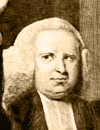
The Heinous Sin of Profane Cursing and Swearing. (Matt. 5:34) by George Whitefield | George Whitefield preaches about the sin of profane swearing and cursing, highlighting the prevalence of this evil in society and the need for individuals, especially those in auth |

|
Homily 19 on the Statues by St. John Chrysostom | John Chrysostom preaches about the importance of avoiding oaths, drawing examples from the destruction of Jerusalem due to a broken oath by King Zedekiah. He emphasizes the severe |