
To take up your cross is to accept each day the death of your own will in order to follow Christ. It is voluntary, it flows from union with Him in His death, and it leads to life.
To take up your cross is to accept, daily, the death of your own will for the sake of following Christ. In the ancient world a cross had one use. A man carrying one was on his way to die. Jesus said, "If anyone wants to come after Me, he must deny himself and take up his cross daily and follow Me" (Luke 9:23). The words are addressed to everyone who would be His disciple, and they are among the most demanding He spoke.
What the first hearers understood
Jesus said this before His own crucifixion. Andrew Murray notes, "When the Lord told his disciples that they must take up the cross to follow him, they could have little understanding of his meaning."1 They did know what a cross was. Murray continues, "As the disciples thought on this and wondered what he meant by it, one thing only helped them - it was the thought of a man who was sentenced to death, and carried his cross to the appointed place."1
So the picture is not of a burden to be endured for a while. It is of a life that has been handed over. A condemned man had no plans of his own and no rights to defend.
It is not what people often mean
In ordinary speech, a cross to bear means some hardship: an illness, a difficult relative, a disappointment. Those are real trials, and God uses them. But they come to believers and unbelievers alike, and nobody chooses them. The cross Jesus speaks of is taken up. It is voluntary. It comes from following Him, and it is laid down the moment a person decides to please himself instead.
Deny himself
The command has three parts, and the first is self-denial. This is more than giving up certain things. It is saying no to self as the one in charge. Paris Reidhead describes the change of direction at conversion: "To repent is to change our mind and purpose from pleasing ourself to pleasing God."2 Murray puts the Lord's teaching bluntly: "He taught them that they must hate their own life."1
Jesus said the same in other places. "Whoever loves his life will lose it, but whoever hates his life in this world will keep it for eternal life" (John 12:25). He spoke of His own death, and of the principle for His followers, in a single picture: "unless a kernel of wheat falls to the ground and dies, it remains only a seed; but if it dies, it bears much fruit" (John 12:24).
Daily
Luke records the word that keeps this from being a single dramatic act: daily. The cross is taken up each morning, in ordinary choices. It is there when a person gives way in an argument, tells the truth at a cost, forgives, serves unnoticed, or turns from a temptation nobody else would know about. Paul could say, "I face death every day" (1 Corinthians 15:31). He described his life this way: "We always carry around in our body the death of Jesus, so that the life of Jesus may also be revealed in our body" (2 Corinthians 4:10).
Follow Me
The third part gives the other two their meaning. The cross is carried behind a Person. Jesus did not ask for anything He had not done. He "humbled Himself and became obedient to death— even death on a cross" (Philippians 2:8). In Gethsemane He prayed, "Yet not as I will, but as You will" (Matthew 26:39). Peter says believers are called to this: "Christ also suffered for you, leaving you an example, that you should follow in His footsteps" (1 Peter 2:21).
Paul Washer describes what following involves: "Discipleship is looking to the Christ and saying, I throw everything that is my life upon him."3
United with Christ in His death
The New Testament goes deeper than imitation. It says the believer has been joined to Christ in His death. "We know that our old self was crucified with Him so that the body of sin might be rendered powerless" (Romans 6:6). Paul's testimony was, "I have been crucified with Christ, and I no longer live, but Christ lives in me" (Galatians 2:20). He says of all believers, "Those who belong to Christ Jesus have crucified the flesh with its passions and desires" (Galatians 5:24).
Taking up the cross daily is living out what is already true. Jessie Penn-Lewis writes, "We must be brought into a real fellowship with Christ in His death."4 It is not done by willpower. She says, "The Spirit of God applies the death of Christ to us, and then the life-power of the resurrection."4 Paul says, "if by the Spirit you put to death the deeds of the body, you will live" (Romans 8:13). Watchman Nee says of the old nature, "The flesh is not to be conquered; it is to die."5
Murray points to where the power is found: "He wished us to understand that the Christ who comes to dwell in our hearts is the crucified Christ, who will himself, through his life, impart to us the true mind of the cross."1
Count the cost
Jesus did not hide the terms to gain followers. He turned to the crowds and said, "And whoever does not carry his cross and follow Me cannot be My disciple" (Luke 14:27). He told them to think first, like a builder: "Which of you, wishing to build a tower, does not first sit down and count the cost to see if he has the resources to complete it?" (Luke 14:28). His conclusion was, "any one of you who does not give up everything he has cannot be My disciple" (Luke 14:33).
J. C. Ryle wrote about those who begin and then fall away: "They had not considered what it costs to be a really consistent believer and holy Christian."6 He lists the costs, and the first is pride in one's own goodness: "True Christianity will cost one his self-righteousness."6 It will also cost a person his sins, his ease and the good opinion of the world. Ryle does not soften this: "But it is folly to shut our eyes to the fact that His way is narrow, and the cross comes before the crown."6
The cross may touch the closest ties. Jesus said that love for Him must come before father, mother, wife and children, "yes, even his own life" (Luke 14:26). It may touch possessions, as it did for the rich young ruler, who was told, "Then come, follow Me" (Mark 10:21), and went away sad.
The paradox
Jesus gives a reason, and it is a promise. "For whoever wants to save his life will lose it, but whoever loses his life for My sake will save it" (Luke 9:24). The person who holds on to his own life, plans and comforts ends with nothing. The one who lets them go for Christ finds life. Jesus asks, "What does it profit a man to gain the whole world, yet forfeit his soul?" (Mark 8:36).
Paul had made that exchange and did not regret it. "But whatever was gain to me I count as loss for the sake of Christ" (Philippians 3:7). He wanted to know "the fellowship of His sufferings, being conformed to Him in His death" (Philippians 3:10). And he boasted in nothing else: "may I never boast, except in the cross of our Lord Jesus Christ, through which the world has been crucified to me, and I to the world" (Galatians 6:14).
Not a way of earning salvation
Cross-bearing does not purchase forgiveness. Christ's cross did that, once, and nothing can be added to it. The disciple's cross is the path of someone already forgiven. It is also not a grim or joyless life. The same Lord who speaks of the cross says, "For My yoke is easy and My burden is light" (Matthew 11:30). The weight of self is heavier than the cross.
The fellowship and the reward
The believer does not carry the cross alone. G. Campbell Morgan writes, "My fellowship with Him means His fellowship with me."7 Jesus Himself endured the cross "for the joy set before Him" (Hebrews 12:2), and He promises His followers a share in that joy. Those who have left anything for His sake will receive far more, "and in the age to come, eternal life" (Mark 10:30). Paul sums up the hope: "if we endure, we will also reign with Him" (2 Timothy 2:12). He weighs the two sides: "I consider that our present sufferings are not comparable to the glory that will be revealed in us" (Romans 8:18).
- Andrew Murray, "Taking Up the Cross" (sermon).
- Paris Reidhead, "Cost of Discipleship - Part 7" (sermon).
- Paul Washer, "Are You a True Disciple? (Faith Bible Church)" (sermon).
- Jessie Penn-Lewis, "The Pathway of the Cross" (sermon).
- Watchman Nee, "The Fleshly or Carnal Believer" (sermon).
- J.C. Ryle, "The Cost" (sermon).
- G. Campbell Morgan, "The Fellowship of Christ's Sufferings" (sermon).
In their own words
Each line below is quoted exactly from a sermon on this site. Follow the link to hear or read it where it was said.
When the Lord told his disciples that they must take up the cross to follow him, they could have little understanding of his meaning.
 Andrew Murray
in Taking Up the Cross
Read in context
As the disciples thought on this and wondered what he meant by it, one thing only helped them - it was the thought of a man who was sentenced to death, and carried his cross to the appointed place.
Andrew Murray
in Taking Up the Cross
Read in context
He taught them that they must hate their own life.
Andrew Murray
in Taking Up the Cross
Read in context
He wished us to understand that the Christ who comes to dwell in our hearts is the crucified Christ, who will himself, through his life, impart to us the true mind of the cross.
Andrew Murray
in Taking Up the Cross
Read in context
To repent is to change our mind and purpose from pleasing ourself to pleasing God.
 Paris Reidhead
in Cost of Discipleship - Part 7
Listen at 6:09
Discipleship is looking to the Christ and saying, I throw everything that is my life upon him.
 Paul Washer
in Are You a True Disciple? (Faith Bible Church)
Listen at 24:53
We must be brought into a real fellowship with Christ in His death.
 Jessie Penn-Lewis
in The Pathway of the Cross
Read in context
The Spirit of God applies the death of Christ to us, and then the life-power of the resurrection.
Jessie Penn-Lewis
in The Pathway of the Cross
Read in context
The flesh is not to be conquered; it is to die.
 Watchman Nee
in The Fleshly or Carnal Believer
Read in context
They had not considered what it costs to be a really consistent believer and holy Christian.
 J.C. Ryle
in The Cost
Read in context
True Christianity will cost one his self-righteousness.
J.C. Ryle
in The Cost
Read in context
But it is folly to shut our eyes to the fact that His way is narrow, and the cross comes before the crown.
J.C. Ryle
in The Cost
Read in context
My fellowship with Him means His fellowship with me.
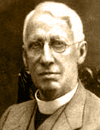 G. Campbell Morgan
in The Fellowship of Christ's Sufferings
Read in context
What Scripture says
- Luke 9:23-24 Deny yourself, take up your cross daily, and follow Christ.
- Luke 14:27-28 No disciple without the cross; count the cost.
- Matthew 16:24-25 Whoever loses his life for Christ's sake will find it.
- Galatians 2:20 Crucified with Christ, and Christ lives in me.
- Galatians 5:24 Those who belong to Christ have crucified the flesh.
- Romans 6:6 The old self was crucified with Him.
- John 12:24-25 The grain of wheat must fall and die to bear fruit.
- Philippians 3:7-10 All things counted loss for Christ.
- Galatians 6:14 Boasting only in the cross.
- Hebrews 12:2 Jesus endured the cross for the joy set before Him.
How this page is made: the quotes are taken word for word from sermons on SermonIndex and checked against them by program before the page is published. The transcripts of audio and video sermons are machine-made, so follow the link to hear the words as they were spoken. The answer above the quotes is an overview with its sources listed; it is not a statement of doctrine by SermonIndex.