
Presumption is bold confidence that has no warrant from God: expecting His help, pardon or blessing where He has not promised them, or sinning in the hope that mercy will cover it. The preachers quoted here explain presumptuous sins, tempting God, presuming on mercy and boasting about tomorrow, and show how true faith differs from all of these.
Presumption is bold confidence that has no warrant from God. It expects His help, His pardon or His blessing where He has not promised them, or it goes on to do what He has forbidden in the hope that all will still be well. David prayed against it: "Keep Your servant also from willful sins; may they not rule over me. Then I will be blameless and cleansed of great transgression." (Psalm 19:13). Robert South said, "For he that presumes to offend, promises himself pardon from God's mercy, without any warrant from God's word."1 David Clarkson wrote, "Then he presumes, who is confident he shall be saved, when his confidence has no bottom; either no ground at all, or that which is as good as none."2
The word in Scripture
The law of Moses set the presumptuous sinner apart from the one who sinned in ignorance. "But the person who sins defiantly, whether a native or foreigner, blasphemes the LORD. That person shall be cut off from among his people." (Numbers 15:30). The older English versions call this sinning presumptuously. Moses used the same idea of the man who would not listen to the priest or the judge: "the man who acts presumptuously" (Deuteronomy 17:12) was to be put to death. Charles Spurgeon said that a sin must have one of four things in it to be presumptuous: "It must either be a sin against light and knowledge, or a sin committed with deliberation, or a sin committed with a design of sinning, merely for sinning's sake, or else it must be a sin committed through hardihood, from a man's rash confidence in his own strength."3
Scripture uses the word of more than outward acts. It also describes a state of mind: a confidence that leans on God's name while it ignores God's word. John the Baptist met it in the Pharisees: "And do not presume to say to yourselves, 'We have Abraham as our father.'" (Matthew 3:9).
Presumptuous sins
Spurgeon went through the marks one by one. He said, "A sin of ignorance is not presumptuous, unless that ignorance also be willful, in which case the ignorance itself is a presumptuous sin."3 A sudden fall is different. He said, "A man, again, who is suddenly tempted and surprised into a sin which is not his habit, but which he commits through the force of some strong temptation, is guilty, but not guilty of presumption, because he was taken unawares in the net and caught in the snare."3 Of deliberate sin he said, "To be carried away, as by a whirlwind of passion, in a moment is wrong; but to sit down and deliberately resolve upon revenge is cursed and diabolical."3 He said also, "Again, when a man continues long in sin, and has time to deliberate about it, that also is a proof that it is a presumptuous sin."3 He summed it up: "So when you sin deliberately and knowingly, your sin against Almighty God is a higher and a blacker sin than it would have been if you had sinned ignorantly, or sinned in haste."3
South named several kinds. He said first, "Concerning which, I shall premise this in general; That there is no sin committible by man, as to the kind of it, but by circumstances is capable of being made a sin of presumption."4 He said, "A third sort of presumption is, to commit a sin clearly discovered and directly pointed at by the word of God, either written or preached."5 He said, "A fifth kind of presumptuous sins are, sins against the inward checks and warnings of conscience about the evil of any course or action."6 He warned, "However, such presumers must learn, that he who now warns us from sin in a still voice, when he comes to reprove and judge for sin will do it in thunder."7 And he said, "The seventh and last sort of presumptuous sins that I shall mention is, the returning to and repeated commission of the same sin; which surely is the greatest demonstration of a bold, stiff, resolved sinner that can be."8
Israel at Hormah
When Israel refused to enter Canaan, God sentenced that generation to die in the wilderness. The next morning the people changed their minds and said they would go up after all. Moses warned them, "Do not go up, lest you be struck down by your enemies, because the LORD is not among you." (Numbers 14:42). They would not hear. "But they dared to go up to the ridge of the hill country, though neither Moses nor the ark of the covenant of the LORD moved from the camp." (Numbers 14:44). The end was defeat. "Then the Amalekites and Canaanites who lived in that part of the hill country came down, attacked them, and routed them all the way to Hormah." (Numbers 14:45). Moses later reminded them of it: "So I spoke to you, but you would not listen. You rebelled against the command of the LORD and presumptuously went up into the hill country." (Deuteronomy 1:43).
The day before, going up would have been faith, because God had commanded it. Now it was presumption, because God had forbidden it and was not with them. Stephen Charnock wrote, "They would presume to go up, notwithstanding Moses' prohibition, and are smitten by the Amalekites."9 The same act can be obedience or presumption. The difference is whether God has spoken and whether He goes with us.
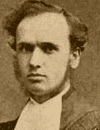
The lesson reaches to work done for God. A.B. Simpson wrote, "Self-confidence will seek to build up the kingdom of Christ by human means and unsanctified instrumentalities, and presume to go where God has not sent and to do what God has not qualified us by His Holy Spirit to do."10 Watchman Nee wrote, "Christians should never initiate anything presumptuously on the basis of need, profit, or merit."11 Richard Owen Roberts described the common way of serving in the flesh: "The general procedure is to decide what to do, ask God in a perfunctory way to bless it, and then proceed, presuming divine blessing."12
Uzzah, Uzziah and Saul
Other histories teach the same thing. The ark was being carried on a cart, though God had ordered it to be carried by the Levites. "When they came to the threshing floor of Nacon, Uzzah reached out and took hold of the ark of God, because the oxen had stumbled." (2 Samuel 6:6). Then, "And the anger of the LORD burned against Uzzah, and God struck him down on the spot for his irreverence, and he died there beside the ark of God." (2 Samuel 6:7).
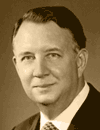
King Uzziah was not a priest, but he took a priest's work on himself. "But when Uzziah grew powerful, his arrogance led to his own destruction. He was unfaithful to the LORD his God, for he entered the temple of the LORD to burn incense on the altar of incense." (2 Chronicles 26:16). Paris Reidhead said, "The sin of Uzziah was that he presumed to do that which had been forbidden to him."13
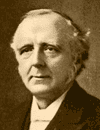
Saul was told to wait for Samuel at Gilgal. "And Saul waited seven days for the time appointed by Samuel, but Samuel did not come to Gilgal, and the troops began to desert Saul." (1 Samuel 13:8). Saul offered the burnt offering himself and afterwards told Samuel, "So I felt compelled to offer the burnt offering." (1 Samuel 13:12). F.B. Meyer wrote, "When Saul compelled himself, and offered sacrifice, because he thought that Samuel was too late in coming, he made the great mistake of his life."14 Aaron's sons "offered unauthorized fire before the LORD, contrary to His command." (Leviticus 10:1). Spurgeon said, "We are not really serving God at all if we presume to do it in our way rather than in his way."15
Tempting God
In the wilderness the devil set the Lord Jesus on the pinnacle of the temple and told Him, "throw Yourself down." (Matthew 4:6). He backed it with a promise from Psalm 91. The Lord answered with another Scripture: "Do not put the Lord your God to the test." (Matthew 4:7). He was quoting Moses: "Do not test the LORD your God as you tested Him at Massah." (Deuteronomy 6:16).
The promise the devil used reads, "For He will command His angels concerning you to guard you in all your ways." (Psalm 91:11). It is a promise for those who are in the ways God has appointed. Spurgeon said, "And, Brothers and Sisters, you scarcely need to be told that you cannot expect to be preserved if you go into sinful ways."16 To leave the path of duty and then claim God's protection is to test Him. Thomas Manton preached on the Lord's answer and said, "Tempting of God may be a usual, but yet it is a great and heinous sin."17 He gave the first way in which it is done: "First, When we presume upon God's help, forsaking the ordinary way and means."18 He said, "To disdain ordinary means, and expect extraordinary, is as if a man should put off his clothes, and then expect God should keep him from cold."19 He said, "When we desire any blessing, we must not refuse or neglect any good means for attaining of it."20 He added, "In spiritual things this is very usual; men hope to have the end without the means."21
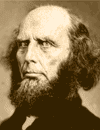
Charles Finney said, "If we neglect to use the means for the accomplishment of any end, and expect Him to bring it about by miracle, this is tempting God."22 In another place he wrote, "To pray for a revival of religion, and use no other means, is to tempt God."23 Manton wrote in another place, "The scripture maketh it a grievous sin, a tempting of God, to expect the end without the use of means."24 Spurgeon said, "To trust in God to make up for our laziness is not faith, but wicked presumption."25 Alexander Maclaren wrote of Elijah on Carmel, "God will honour the drafts which He bids us draw on Him; but to suspend our own or other people's faith in Him, on the issue of some experiment whether He will answer prayers, is not faith, but rash presumption, unless it is in obedience to a distinct command."26
Running into temptation
The same sin appears when a believer goes needlessly into danger and trusts that he will stand. Paul warns, "So the one who thinks he is standing firm should be careful not to fall." (1 Corinthians 10:12). A.W. Pink wrote, "It is presumption and not faith which trifles with temptation."27 Finney said, "God sometimes suffers persons to fall into sin, because they are presumptuous in running into temptation."28 Spurgeon wrote, "We are to meet temptation and overcome it; but we may not venture into temptation on our own account, or we may have to rue our foolhardiness."29 He wrote of Peter, "No one may boast that he will hold on his way in his own strength, for that must depend upon the continual teaching of the Lord: we shall fall like Peter, if we presume on our own firmness, as he did."30 Maclaren wrote, "It is the presumptuous men, confident in their own strength, who are sure to get beaten."31 Solomon says, "Blessed is the man who is always reverent, but he who hardens his heart falls into trouble." (Proverbs 28:14).
Presuming on God's mercy
Paul asks the man who goes on in sin, "Or do you disregard the riches of His kindness, tolerance, and patience, not realizing that God's kindness leads you to repentance?" (Romans 2:4). God's patience is meant to bring the sinner to repentance. Presumption turns it into a reason for delay. Solomon saw this: "When the sentence for a crime is not speedily executed, the hearts of men become fully set on doing evil." (Ecclesiastes 8:11). Clarkson wrote, "It has been the ruin of millions to presume on mercy without ground."32
Jonathan Edwards said to such a person, "It is from diminutive thoughts of God, that you think he is obliged to show mercy to you when you seek it, though you have been for a long time willfully sinning against him, provoking him to anger, and presuming that he would show you mercy when you should seek it."33 Charnock wrote, "To presume upon his goodness, to act the highest unbelief under pretences of the contrary, to think God will be your friend while you persist in your enmity, is a contradiction to the whole tenor of the gospel."34 Spurgeon said, "The supposition that because God is merciful, He will, therefore, overlook sin, is as delusive as it is dangerous!"35 Hugh Binning wrote, "You who take liberty to sin, because God is gracious, and delay repentance till the end, because God is long-suffering,—know God will not clear you; he is holy and just, as he is merciful."36 Manton wrote, "None are so apt to presume of mercy as the careless, nor none less capable of mercy, or more deserve judgment."37 Moses spoke of the man who hears the curses of the covenant and blesses himself, saying, "I will have peace, even though I walk in the stubbornness of my own heart." (Deuteronomy 29:19). Clarkson wrote of the presumer, "Presumption is a bold, a venturous humour; he blesses himself, and says, I shall have peace, though he walk after the stubbornness of his own heart."38
The work of the Spirit in a believer is the opposite. Pink wrote, "The Spirit makes the soul to realize that God is not to be trifled with, and delivers from wickedly presuming upon His mercy."39 The psalmist says, "But with You there is forgiveness, so that You may be feared." (Psalm 130:4).
Sinning that grace may abound
Paul had taught that where sin increased, grace increased all the more. He knew what some would make of it. "What then shall we say? Shall we continue in sin so that grace may increase?" (Romans 6:1). His answer is short: "Certainly not! How can we who died to sin live in it any longer?" (Romans 6:2). Jude speaks of men who "turn the grace of our God into a license for immorality" (Jude 1:4). Manton wrote of Jude's words, "It is made there to be a heavy charge and black note when men presume on grace, and use it only as a dung-cart to carry away their filth."40 Spurgeon said, "That faith is a dead faith, a corrupt faith, which lives in sin that grace may abound."41
John Bunyan defined presumption by this very thing. He wrote, "Now, this presumption, then, puts itself in the place of faith, when it tampereth with the promise for life, while the soul is a stranger to repentance."42 He wrote, "Presumption, then, is that which severeth faith and repentance; concluding that the soul shall be saved by grace, though the man was never made sorry for his sins, nor the love of the heart turned therefrom."43 Bunyan wrote again, "Again, THEN men presume, when they are resolved to abide in their sins, and yet expect to be saved by God's grace through Christ."44 Clarkson wrote, "A presumer, he would have Christ's righteousness to satisfy justice, procure him a pardon, and purchase him heaven; but he cares not for Christ's holiness."45 He wrote, "The presumer makes not holiness his work, it is not his great business to purify himself."46 Grace is free, and it is never a permission to go on in sin.
Boasting about tomorrow
James writes to those who say, "Today or tomorrow we will go to this or that city, spend a year there, carry on business, and make a profit." (James 4:13). He answers, "You do not even know what will happen tomorrow! What is your life? You are a mist that appears for a little while and then vanishes." (James 4:14). He gives the right way to speak: "If the Lord is willing, we will live and do this or that." (James 4:15). And he names the fault: "As it is, you boast in your proud intentions. All such boasting is evil." (James 4:16). Solomon had said, "Do not boast about tomorrow, for you do not know what a day may bring." (Proverbs 27:1). Spurgeon said, "We need not boast of to-morrow, for it is one of the frailest things in all creation, and, therefore, the least to be boasted of."47
The most dangerous form of this boasting is to put off repentance. Spurgeon said, "O! dear friends, procrastination is a presumptuous sin."3 He said, "The putting off a thing which should be done to-day, because you hope to live to-morrow, is a presumption."3 In his sermon on tomorrow he said, "Let us take care, then, that we do not boast of to-morrow, by a pretence that it will be so much easier to repent to-morrow; whereas, it is one of Satan's lies, for it will only be the more difficult."48 Edwards said of men in their natural blindness, "They think that the long continuance of their opportunity is to be depended on, and that tomorrow it is to be boasted of."49 Edward Payson said, "What is still worse, it is but too probable, that some will take encouragement from the Savior's mercy to delay repentance, and repeat their trespasses with hopes of impunity."50 J.C. Ryle wrote, "Mark well how many proofs there are that two men may have the same light offered them, and only one use it; and that no one has a right to take liberties with God's mercy, and presume he will be able to repent just when he likes."51 Clarkson wrote, "It is high presumption, to expect the Lord should save you at your death, if you wilfully neglect the ordinary means of salvation all your lives."52 Paul says, "now is the day of salvation!" (2 Corinthians 6:2).
How faith differs from presumption
Faith and presumption can look alike. Both are confident. The difference lies in what the confidence rests on. Paul says, "Consequently, faith comes by hearing, and hearing by the word of Christ." (Romans 10:17). Abraham was "fully persuaded that God was able to do what He had promised." (Romans 4:21). Faith has a promise. Presumption has none, or it takes the promise and leaves the command. Bunyan wrote, "Faith only knows how to deal with mercy; wherefore, put not in the place thereof presumption."53 He wrote, "Why, there is faith, and wild faith; and wild faith is this presumption."54 Manton wrote, "To presume of the end, without using the means, is folly; therefore, next to a good end and scope, there must be a good path."55
Clarkson set the two side by side. He wrote, "Faith pitches upon whole Christ, presumption will but have part of him."56 He wrote of presumption, "Presumption does not transcendently value Christ so as to prefer him before his chief joy; nor effectually desire him, so as to part with all for him; nor sincerely love him, so as to cleave to him only."57 Of their effects he wrote, "The effects, in reference to these persons, are humility and watchfulness in the believer, pride and security in the presumer."58 He added, "Whereas presumption is proud and haughty, swells a man full, and raises him high in his own conceit."59 Binning wrote, "Faith bows a soul's back to take on Christ's righteousness, but presumption lifts up a soul upon its own bottom."60
Spurgeon gave a simple test. He wrote, "True faith, like fire, has its attendant smoke of unbelief, but presumption like a painted flame is all brightness."61 He said, "To have such strong faith that you never waver is one thing—but to be filled with such strong presumption that you never examine yourself is quite another."62 William Gurnall wrote, "Faith, the great work of God, cuts its way between the mountain of presumption and gulf of despair."63
A confidence without ground
Presumption can take the form of a settled assurance that all is well with the soul, held without any of the evidence Scripture asks for. This page does not take up the question of whether a true believer can be lost. The preachers quoted here are speaking of a confidence that never had a warrant.
A.A. Hodge wrote, "This genuine assurance may be distinguished from that presumptuous confidence which is a delusion of Satan, chiefly by these marks."64 In another place he wrote, "There is nothing in the world that works such satanic, profound, God-defiant pride as false assurance; nothing works such utter humility or brings to such utter self-emptiness as the child-like spirit of true assurance."65 Ryle wrote, "I frankly allow there are some presumptuous persons who profess to feel a confidence for which they have no Scriptural warrant."66 Manton said of those who want the death of the righteous without the life of the righteous, "If they can but charm themselves into a secure presumption of salvation, they never give diligence to make their calling and election sure."67 Spurgeon said, "It is better to be fearful, lest, after all, we may be castaways, than to harden one's forehead with vain confidence."68 Paul's counsel is, "Examine yourselves to see whether you are in the faith" (2 Corinthians 13:5).
Presumption and despair
Preachers often set presumption beside its opposite. J.C. Philpot pictured the road to heaven as a narrow path between two hedges, with a ditch beyond each hedge: despair on one side and presumption on the other. He said, "The hedge that keeps the soul from falling into the pit of despair is that of the promises; and the hedge that keeps the soul from sinking into the abyss of presumption is that of warnings, precepts and threatenings."69 Payson said, "presumption and false hopes destroy, perhaps, hundreds, where despair of obtaining mercy proves fatal to one."70 He traced both to one root: "The fact is, that despondency, as well as presumption, arises from ignorance of God."70 He said of the Scriptures, "When to deter us from presumption they declare, that God will by no means clear the guilty, they tell us in the same verse, that he is merciful and gracious, that we may not despair."70 Manton wrote, "We can hardly keep the middle between the extremes; our faith is apt to degenerate into presumption, and our humility into despondency of spirit, and our fear into discouragement and distrust."71
It is not presumption to believe God
Tender consciences sometimes fear that to trust Christ for pardon would be presumption in such sinners as they are. The preachers answer that the presumption lies the other way. God has commanded sinners to come, and has promised to receive them. "Let us then approach the throne of grace with confidence, so that we may receive mercy and find grace to help us in our time of need." (Hebrews 4:16). Spurgeon said, "The presumption would lie in doubting the Word of God—but in simply believing what He says, there is far greater humility than in questioning it!"72 He said to a trembling hearer, "There is more presumption in your doubting than there could be in your believing."73 He wrote, "It is presumptuous to doubt what God says, but it is no presumption to believe God; neither is it egotism to state the truth."74
Bunyan wrote, "The design of Satan is, to tell the presumptuous that their presuming on mercy is good; but to persuade the believer, that his believing is impudent, bold dealing with God."75 He had noticed something: "I never heard a presumptuous man, in my life, say that he was afraid that he presumed; but I have heard many an honest humble soul say, that they have been afraid that their faith has been presumption."76 He told the humble, "What, therefore, I have said of presumption, concerns not the humble in spirit at all."77 The writer to the Hebrews bids believers "draw near with a sincere heart in full assurance of faith" (Hebrews 10:22). Boldness that rests on God's invitation is faith. Boldness that rests on anything else is presumption.
How to be kept from it
David did not trust himself. He first prayed, "Who can discern his own errors? Cleanse me from my hidden faults." (Psalm 19:12). Then he asked to be kept back from wilful sins. The prayer owns that only God can restrain the heart. David was a believer when he prayed it. Spurgeon said, "The highest saints may sin the lowest sins, unless kept by divine grace."3 He said, "There is enough corruption, depravity, and wickedness in the heart of the most holy man that is now alive to damn his soul to all eternity, if free and sovereign grace does not prevent."3 Paul tells believers to "work out your salvation with fear and trembling." (Philippians 2:12). He told the Gentile believers, "Do not be arrogant, but be afraid." (Romans 11:20).
The safeguards are plain in the passages above. Keep to what God has said. Use the means He has appointed. Do not go where He has not sent. Do not put off what He commands today. And when He invites, come without fear, for "He will freely pardon." (Isaiah 55:7).
- Robert South, Sermons Preached Upon Several Occasions. Vol. V., "Sermon xi".
- David Clarkson, The Works of David Clarkson, "Volume 1".
- C.H. Spurgeon, "Presumptuous Sins" (sermon).
- Robert South, Sermons Preached Upon Several Occasions. Vol. V., "Sermon xi".
- Robert South, Sermons Preached Upon Several Occasions. Vol. V., "Sermon xi".
- Robert South, Sermons Preached Upon Several Occasions. Vol. V., "Sermon xi".
- Robert South, Sermons Preached Upon Several Occasions. Vol. V., "Sermon xi".
- Robert South, Sermons Preached Upon Several Occasions. Vol. V., "Sermon xi".
- Stephen Charnock, Writings of Stephen Charnock, "On Practical Atheism".
- A.B. Simpson, "The Death of Self" (sermon).
- Watchman Nee, Writings of Watchman Nee, "Spiritual Work".
- Richard Owen Roberts, "Repentance From Dead Works" (sermon).
- Paris Reidhead, "Isaiah's Vision of the Lord" (sermon).
- F.B. Meyer, "The Secret of Guidance" (sermon).
- C.H. Spurgeon, Only a Prayer Meeting, "Chapter Fifteen: The Prevalence of Evil--An Argument in Prayer".
- C.H. Spurgeon, "Angelic Protection in Appointed Ways" (sermon).
- Thomas Manton, The Complete Works of Thomas Manton, D.D. Vol. I, "Sermon iv".
- Thomas Manton, The Complete Works of Thomas Manton, D.D. Vol. I, "Sermon iv".
- Thomas Manton, The Complete Works of Thomas Manton, D.D. Vol. I, "Sermon iv".
- Thomas Manton, The Complete Works of Thomas Manton, D.D. Vol. I, "Sermon iv".
- Thomas Manton, The Complete Works of Thomas Manton, D.D. Vol. I, "Sermon iv".
- Charles Finney, "A Willing Mind Indispensable to a Right Understanding of Truth" (sermon).
- Charles Finney, Writings of Charles Finney - Volume 1, "Prevailing prayer".
- Thomas Manton, Writings of Thomas Manton - Volume 1, "Sermon 11".
- C.H. Spurgeon, "Life by Faith" (sermon).
- Alexander Maclaren, Expositions Of Holy Scripture F, "The trial by fire".
- A.W. Pink, Writings of A W Pink - Volume 1, "Chapter 12".
- Charles Finney, "Conditions of Being Kept" (sermon).
- C.H. Spurgeon, Flowers from a Puritan's Garden, "Flowers".
- C.H. Spurgeon, The Golden Alphabet, "Exposition of Psalm 119:33-40".
- Alexander Maclaren, Expositions Of Holy Scripture A, "'lead us not into temptation'".
- David Clarkson, The Works of David Clarkson, "Volume 1".
- Jonathan Edwards, "The Sole Consideration, That God Is God, Sufficient to Still All Objections to His Sovereignty" (sermon).
- Stephen Charnock, Writings of Stephen Charnock, "A Discourse of God's being the Author of Reconciliation".
- C.H. Spurgeon, "Araunah's Threshing Floor" (sermon).
- Hugh Binning, Writings of Hugh Binning, "Lecture 9. WHAT GOD IS TO US".
- Thomas Manton, The Works of Thomas Manton, D.D. Vol. VII, "Sermon lxxxiv".
- David Clarkson, The Works of David Clarkson, "Volume 1".
- A.W. Pink, "THE HOLY SPIRIT Chapter 28 The Spirit Preserving" (sermon).
- Thomas Manton, The Complete Works of Thomas Manton, D.D. Vol. V, "Ver. 2. Mercy unto you, and peace and love be multiplied".
- Charles Haddon Spurgeon, Spurgeon's Sermons Volume 03: 1857, "Rahab's Faith".
- John Bunyan, The Jerusalem Sinner Saved, "The doctrine applied".
- John Bunyan, The Jerusalem Sinner Saved, "The doctrine applied".
- John Bunyan, The Jerusalem Sinner Saved, "The doctrine applied".
- David Clarkson, The Works of David Clarkson, "Volume 1".
- David Clarkson, The Works of David Clarkson, "Volume 1".
- C.H. Spurgeon, Spurgeons Sermons Volume 2 1856, "To-morrow".
- C.H. Spurgeon, Spurgeons Sermons Volume 2 1856, "To-morrow".
- Jonathan Edwards, "Man's Natural Blindness in Things of Religion" (sermon).
- Edward Payson, "The Universal Law of Forgiveness" (sermon).
- J.C. Ryle, "Christ and the Two Thieves" (sermon).
- David Clarkson, The Works of David Clarkson, "Volume 1".
- John Bunyan, The Jerusalem Sinner Saved, "The doctrine applied".
- John Bunyan, The Jerusalem Sinner Saved, "The doctrine applied".
- Thomas Manton, The Works of Thomas Manton, D.D. Vol. VII, "Sermon ciii".
- David Clarkson, The Works of David Clarkson, "Volume 1".
- David Clarkson, The Works of David Clarkson, "Volume 1".
- David Clarkson, The Works of David Clarkson, "Volume 1".
- David Clarkson, The Works of David Clarkson, "Volume 1".
- Hugh Binning, The Works Of The Rev Hugh Binning, "Lecture IV. The Scriptures Reveal Eternal Life Through Jesus Christ".
- C.H. Spurgeon, Feathers for Arrows, ""P" Feathers".
- C.H. Spurgeon, Charles Spurgeon Sermons (63 Volumes) Part1 - Volume 1, "Job 8,11-13 #651 - A Sermon from a Rush".
- William Gurnall, Writings of William Gurnall, "A Second Exhortation to Arm, and an Argument Urging the Exhortation".
- A.A. Hodge, Writings of A A Hodge, "Faith".
- A.A. Hodge, Writings of A A Hodge, "Lecture 15 - sanctification and good works-higher life".
- J.C. Ryle, "Assurance" (sermon).
- Thomas Manton, The Complete Works of Thomas Manton, D.D. Vol. I, "Sermon iv".
- C.H. Spurgeon, "On Laying Foundations" (sermon).
- J.C. Philpot, "The Heir of Heaven Walking in Darkness, and the Heir of Hell Walking in Light" (sermon).
- Edward Payson, "The Sin, Danger, and Unreasonableness of Despair" (sermon).
- Thomas Manton, The Complete Works of Thomas Manton, D.D. Vol. I, "Sermon vii".
- C.H. Spurgeon, "The Common Salvation" (sermon).
- C.H. Spurgeon, "Mealtime In The Corn Fields" (sermon).
- C.H. Spurgeon, The Mourner's Comforter, "Chapter Six: The Garment of Praise".
- John Bunyan, The Jerusalem Sinner Saved, "The doctrine applied".
- John Bunyan, The Jerusalem Sinner Saved, "The doctrine applied".
- John Bunyan, The Jerusalem Sinner Saved, "The doctrine applied".
In their own words
Each line below is quoted exactly from a sermon on this site. Follow the link to hear or read it where it was said.
It must either be a sin against light and knowledge, or a sin committed with deliberation, or a sin committed with a design of sinning, merely for sinning's sake, or else it must be a sin committed through hardihood, from a man's rash confidence in his own strength.
 C.H. Spurgeon
in Presumptuous Sins
Read in context
A sin of ignorance is not presumptuous, unless that ignorance also be willful, in which case the ignorance itself is a presumptuous sin.
C.H. Spurgeon
in Presumptuous Sins
Read in context
A man, again, who is suddenly tempted and surprised into a sin which is not his habit, but which he commits through the force of some strong temptation, is guilty, but not guilty of presumption, because he was taken unawares in the net and caught in the snare.
C.H. Spurgeon
in Presumptuous Sins
Read in context
To be carried away, as by a whirlwind of passion, in a moment is wrong; but to sit down and deliberately resolve upon revenge is cursed and diabolical.
C.H. Spurgeon
in Presumptuous Sins
Read in context
Again, when a man continues long in sin, and has time to deliberate about it, that also is a proof that it is a presumptuous sin.
C.H. Spurgeon
in Presumptuous Sins
Read in context
So when you sin deliberately and knowingly, your sin against Almighty God is a higher and a blacker sin than it would have been if you had sinned ignorantly, or sinned in haste.
C.H. Spurgeon
in Presumptuous Sins
Read in context
O! dear friends, procrastination is a presumptuous sin.
C.H. Spurgeon
in Presumptuous Sins
Read in context
The putting off a thing which should be done to-day, because you hope to live to-morrow, is a presumption.
C.H. Spurgeon
in Presumptuous Sins
Read in context
The highest saints may sin the lowest sins, unless kept by divine grace.
C.H. Spurgeon
in Presumptuous Sins
Read in context
There is enough corruption, depravity, and wickedness in the heart of the most holy man that is now alive to damn his soul to all eternity, if free and sovereign grace does not prevent.
C.H. Spurgeon
in Presumptuous Sins
Read in context
Self-confidence will seek to build up the kingdom of Christ by human means and unsanctified instrumentalities, and presume to go where God has not sent and to do what God has not qualified us by His Holy Spirit to do.
 A.B. Simpson
in The Death of Self
Read in context
The general procedure is to decide what to do, ask God in a perfunctory way to bless it, and then proceed, presuming divine blessing.
 Richard Owen Roberts
in Repentance From Dead Works
Read in context
The sin of Uzziah was that he presumed to do that which had been forbidden to him.
 Paris Reidhead
in Isaiah's Vision of the Lord
Read in context
When Saul compelled himself, and offered sacrifice, because he thought that Samuel was too late in coming, he made the great mistake of his life.
 F.B. Meyer
in The Secret of Guidance
Read in context
And, Brothers and Sisters, you scarcely need to be told that you cannot expect to be preserved if you go into sinful ways.
C.H. Spurgeon
in Angelic Protection in Appointed Ways
Read in context
If we neglect to use the means for the accomplishment of any end, and expect Him to bring it about by miracle, this is tempting God.
 Charles Finney
in A Willing Mind Indispensable to a Right Understanding of Truth
Read in context
To trust in God to make up for our laziness is not faith, but wicked presumption.
C.H. Spurgeon
in Life by Faith
Read in context
God sometimes suffers persons to fall into sin, because they are presumptuous in running into temptation.
Charles Finney
in Conditions of Being Kept
Read in context
It is from diminutive thoughts of God, that you think he is obliged to show mercy to you when you seek it, though you have been for a long time willfully sinning against him, provoking him to anger, and presuming that he would show you mercy when you should seek it.
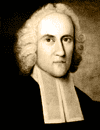 Jonathan Edwards
in The Sole Consideration, That God Is God, Sufficient to Still All Objections to His Sovereignty
Read in context
The supposition that because God is merciful, He will, therefore, overlook sin, is as delusive as it is dangerous!
C.H. Spurgeon
in Araunah's Threshing Floor
Read in context
The Spirit makes the soul to realize that God is not to be trifled with, and delivers from wickedly presuming upon His mercy.
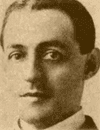 A.W. Pink
in THE HOLY SPIRIT Chapter 28 The Spirit Preserving
Read in context
They think that the long continuance of their opportunity is to be depended on, and that tomorrow it is to be boasted of.
Jonathan Edwards
in Man's Natural Blindness in Things of Religion
Read in context
What is still worse, it is but too probable, that some will take encouragement from the Savior's mercy to delay repentance, and repeat their trespasses with hopes of impunity.
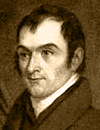 Edward Payson
in The Universal Law of Forgiveness.
Read in context
Mark well how many proofs there are that two men may have the same light offered them, and only one use it; and that no one has a right to take liberties with God's mercy, and presume he will be able to repent just when he likes.
 J.C. Ryle
in Christ and the Two Thieves
Read in context
I frankly allow there are some presumptuous persons who profess to feel a confidence for which they have no Scriptural warrant.
J.C. Ryle
in Assurance
Read in context
It is better to be fearful, lest, after all, we may be castaways, than to harden one's forehead with vain confidence.
C.H. Spurgeon
in On Laying Foundations
Read in context
The hedge that keeps the soul from falling into the pit of despair is that of the promises; and the hedge that keeps the soul from sinking into the abyss of presumption is that of warnings, precepts and threatenings.
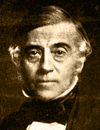 J.C. Philpot
in The Heir of Heaven Walking in Darkness, and the Heir of Hell Walking in Light
Read in context
The fact is, that despondency, as well as presumption, arises from ignorance of God.
Edward Payson
in The Sin, Danger, and Unreasonableness of Despair.
Read in context
When to deter us from presumption they declare, that God will by no means clear the guilty, they tell us in the same verse, that he is merciful and gracious, that we may not despair.
Edward Payson
in The Sin, Danger, and Unreasonableness of Despair.
Read in context
The presumption would lie in doubting the Word of God—but in simply believing what He says, there is far greater humility than in questioning it!
C.H. Spurgeon
in The Common Salvation
Read in context
There is more presumption in your doubting than there could be in your believing.
C.H. Spurgeon
in Mealtime In The Corn Fields
Read in context
What Scripture says
- Psalm 19:13 keep Your servant from wilful sins
- Numbers 15:30 the person who sins defiantly
- Numbers 14:44 they dared to go up, though the ark did not move from the camp
- Deuteronomy 1:43 you presumptuously went up into the hill country
- Matthew 4:7 do not put the Lord your God to the test
- Romans 2:4 God's kindness leads to repentance
- Romans 6:1 shall we continue in sin so that grace may increase?
- James 4:15 if the Lord is willing
- Proverbs 27:1 do not boast about tomorrow
- 1 Corinthians 10:12 the one who thinks he stands should be careful not to fall
- Hebrews 4:16 approach the throne of grace with confidence
How this page is made: the quotes are taken word for word from sermons on SermonIndex and checked against them by program before the page is published. The transcripts of audio and video sermons are machine-made, so follow the link to hear the words as they were spoken. The answer above the quotes is an overview with its sources listed; it is not a statement of doctrine by SermonIndex.