
The preachers quoted here describe the atonement as the sacrifice Christ offered for sin on the cross, by which sinners are reconciled to God. Most explain it as penal, a satisfaction and a substitution, and as a finished work. They differ on how it works and on whether Christ died for all or for the elect.
The atonement is the work of Jesus Christ, above all his death on the cross, by which sinners are reconciled to a holy God. The Hebrew verb kaphar means to cover;1 the New Testament speaks of katallage, reconciliation.2 The Bible dictionaries on this site define it as the satisfaction offered to divine justice by the death of Christ.3 William Booth called it "the sacrifice which Jesus Christ offered for our sins by His death on the Cross, by which offering the reconciliation of God and man was made possible."4 Art Katz gave the plain sense of the English word: "Atonement means atonement with God, to become at one with God."5
Why atonement is needed
God is holy and man has sinned. "All have sinned and fall short of the glory of God" (Romans 3:23). Sin is not a slip to be overlooked. It is rebellion against the Creator, and a just God cannot treat it as nothing. Nor can the sinner repair it himself. The Heidelberg Catechism says, "no mere creature can sustain the burden of God's eternal wrath against sin, so as to deliver others from it."6 If people are to be forgiven, God must provide the way.
The Old Testament picture
God taught Israel the principle through sacrifice. "For the life of the flesh is in the blood, and I have given it to you to make atonement for your souls upon the altar" (Leviticus 17:11). On the Day of Atonement the high priest took blood into the Most Holy Place, and a second goat was sent away: "The goat will carry on itself all their iniquities into a solitary place" (Leviticus 16:22). J. N. Darby drew out the two sides: "Preaching the scapegoat shews sins put away; preaching the bullock brings us to God."7 These sacrifices were repeated every year because they could not finish the work: "it is impossible for the blood of bulls and goats to take away sins" (Hebrews 10:4).
The Lamb of God
John the Baptist pointed to Jesus and said, "Look, the Lamb of God, who takes away the sin of the world!" (John 1:29). The one who atones is the eternal Son made man: as man he can stand in our place, and as God his sacrifice has infinite worth. He went to the cross willingly: "I lay down My life for the sheep" (John 10:15). The cross was no accident. He was "delivered up by God's set plan and foreknowledge" (Acts 2:23).
Substitution
The heart of the atonement is that Christ died in the place of sinners. "He was pierced for our transgressions, He was crushed for our iniquities; the punishment that brought us peace was upon Him, and by His stripes we are healed" (Isaiah 53:5). "Christ also suffered for sins once for all, the righteous for the unrighteous, to bring you to God" (1 Peter 3:18). S. Lewis Johnson summed up its nature in three words: "It is penal, it is a satisfaction, and it is a substitution."8 Lewis Sperry Chafer wrote that "the Saviour has already borne the divine judgments against the sinner to the full satisfaction of God."9 W. G. T. Shedd began his treatment in the same place: "The atonement of Christ is represented in Scripture as vicarious."10
The love of God
The atonement is not the Son persuading an unwilling Father. The Father gave the Son. Booth put it well: "The Atonement was not necessary to create compassion in the bosom of God for sin stricken man; it was the compassion of God that generated the Atonement."4 John says, "love consists in this: not that we loved God, but that He loved us and sent His Son as the atoning sacrifice for our sins" (1 John 4:10). Paul says, "God proves His love for us in this: While we were still sinners, Christ died for us" (Romans 5:8). At the cross God shows himself "just and to justify the one who has faith in Jesus" (Romans 3:26).
What the cross accomplished
Scripture describes the result in several ways. It is redemption, a release by the payment of a price. Jesus came "to give His life as a ransom for many" (Matthew 20:28), and believers were redeemed "with the precious blood of Christ, a lamb without blemish or spot" (1 Peter 1:19). Chafer wrote, "The death of Christ is said to be a redemption or ransom paid to the holy demands of God for the sinner and to free the sinner from just condemnation."9
It is reconciliation: "when we were enemies of God, we were reconciled to Him through the death of His Son" (Romans 5:10). And it is the ground of justification: "God made Him who knew no sin to be sin on our behalf, so that in Him we might become the righteousness of God" (2 Corinthians 5:21).
A finished work
Unlike the yearly sacrifices, Christ's offering is never repeated. "When this Priest had offered for all time one sacrifice for sins, He sat down at the right hand of God" (Hebrews 10:12). He entered the Most Holy Place "once for all by His own blood, thus securing eternal redemption" (Hebrews 9:12). C. H. Spurgeon preached, "The atonement is finished; the High Priest is gone within the vail; salvation is now complete."11 The resurrection is God's seal upon it: "He was delivered over to death for our trespasses and was raised to life for our justification" (Romans 4:25). And the risen Christ "always lives to intercede" for those who come to God through him (Hebrews 7:25).
For whom did Christ die?
Preachers on SermonIndex differ here. Some hold that Christ died with the definite purpose of saving those the Father gave him, and that this purpose cannot fail. A. W. Pink wrote of the design of the atonement, "That design is executed by omnipotence, so that it is impossible to thwart it."12 Others hold that Christ died for every person, though only those who believe receive the benefit. Booth said of the narrower view, "It is in opposition to the emphatic declarations of the Bible that Christ died for all men."4 They point to texts such as "He Himself is the atoning sacrifice for our sins, and not only for ours but also for the sins of the whole world" (1 John 2:2) and "who gave Himself as a ransom for all" (1 Timothy 2:6). Both sides preach the gospel to all, and both hold Christ's promise: "the one who comes to Me I will never drive away" (John 6:37).
Other explanations
Not every preacher explains the atonement as Christ bearing the exact penalty due to sinners. Charles Finney taught, "The atonement is a governmental expedient to sustain law without the execution of its penalty on the sinner."13 Most of the preachers quoted on this page hold the substitutionary view set out above, and they also insist that the cross is more than an example of love. It deals with real guilt before God.
How it is received
The atonement must be received personally. Chafer said of the sinner's part, "There is therefore nothing left for the sinner to do or for him to persuade God to do".9 He is called to believe. God presented Christ "as the atoning sacrifice through faith in His blood" (Romans 3:25). That faith is never bare assent. Christ "gave Himself for us to redeem us from all lawlessness and to purify for Himself a people for His own possession, zealous for good deeds" (Titus 2:14). He "bore our sins in His body on the tree, so that we might die to sin and live to righteousness" (1 Peter 2:24).
Worthy is the Lamb
Because of the atonement believers "have confidence to enter the Most Holy Place by the blood of Jesus" (Hebrews 10:19). It is also the theme of heaven's worship: "Worthy is the Lamb, who was slain, to receive power and riches and wisdom and strength and honor and glory and blessing!" (Revelation 5:12).
- Strong's Hebrew 3722, kâphar: "to cover (specifically with bitumen); figuratively, to expiate or condone, to placate or cancel".
- Strong's Greek 2643, katallagḗ: "exchange (figuratively, adjustment), i.e. restoration to (the divine) favor".
- "Atonement," in International Standard Bible Encyclopedia and Theological Dictionary (with 22 other reference works).
- William Booth, "The Atonement of Jesus Christ" (sermon).
- Art Katz, "K-527 Tv Show Part 11 Blood Atonement" (sermon).
- Various, The Heidelberg Catechism, "Question 14 Can there be found anywhere, one, who is a mere creature...".
- John Nelson Darby, "Hints on the Day of Atonement Levitcus 16" (sermon).
- S. Lewis Johnson, "The Purpose of the Atonement" (sermon).
- Lewis Sperry Chafer, "God the Son: His Substitutionary Death" (sermon).
- Shedd William gt, Shedd, William G.T.-Dogmatic Theology, "Vicarious Atonement".
- C.H. Spurgeon, "The Day of Atonement" (sermon).
- A.W. Pink, "The Satisfaction of Christ Studies in the Atonement 19. Its Extent" (sermon).
- Charles Finney, "On the Atonement" (sermon).
In their own words
Each line below is quoted exactly from a sermon on this site. Follow the link to hear or read it where it was said.
Atonement means somebody has paid a great price.
 Keith Malcomson
in The Day of Atonement
Listen at 33:08
Atonement means atonement with God, to become at one with God.
 Art Katz
in K-527 Tv Show Part 11 Blood Atonement
Listen at 9:44
The atonement is finished; the High Priest is gone within the vail; salvation is now complete.
 C.H. Spurgeon
in The Day of Atonement
Read in context
The Atonement is more than equal to sin—it takes away all our transgressions in all our sins.
C.H. Spurgeon
in The Annual Atonement
Read in context
The atonement is actually the expression of several of God's attributes.
 Denny Kenaston
in (Christ--the Way God Makes Man Righteous) 5. Christ, the Atonement
Listen at 6:27
The Atonement was not necessary to create compassion in the bosom of God for sin stricken man; it was the compassion of God that generated the Atonement.
 William Booth
in The Atonement of Jesus Christ
Read in context
It is penal, it is a satisfaction, and it is a substitution.
 S. Lewis Johnson
in The Purpose of the Atonement
Listen at 2:57
The death of Christ is said to be a redemption or ransom paid to the holy demands of God for the sinner and to free the sinner from just condemnation.
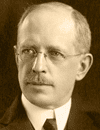 Lewis Sperry Chafer
in God the Son: His Substitutionary Death
Read in context
Preaching the scapegoat shews sins put away; preaching the bullock brings us to God.
 John Nelson Darby
in Hints on the Day of Atonement Levitcus 16
Read in context
Where they differ
Charles Finney explained the atonement differently from most of the preachers on SermonIndex: as a public act upholding God's moral government, not as Christ bearing the exact penalty due to sinners.
The atonement is a governmental expedient to sustain law without the execution of its penalty on the sinner.
 Charles Finney
in On the Atonement
Read in context
What Scripture says
- Leviticus 17:11 it is the blood that makes atonement for the soul
- Isaiah 53:5-6 He was pierced for our transgressions
- Romans 3:23-26 just and to justify the one who has faith in Jesus
- 2 Corinthians 5:21 God made Him who knew no sin to be sin on our behalf
- 1 Peter 3:18 the righteous for the unrighteous, to bring you to God
- Hebrews 10:12 one sacrifice for sins
- 1 John 2:2 He Himself is the atoning sacrifice for our sins
How this page is made: the quotes are taken word for word from sermons on SermonIndex and checked against them by program before the page is published. The transcripts of audio and video sermons are machine-made, so follow the link to hear the words as they were spoken. The answer above the quotes is an overview with its sources listed; it is not a statement of doctrine by SermonIndex.