
The preachers quoted here describe the goodness of God as what He is in Himself and as the kindness He shows to all He has made. They trace it in creation and providence, in the name He proclaimed to Moses and most fully in Christ, and they show how it leads to repentance, holds in affliction and calls for trust and thanks.
The goodness of God is His kindness and generosity. He is good in Himself, and He does good to all that He has made. The psalmist says to Him, "You are good, and You do what is good" (Psalm 119:68). A.W. Tozer wrote, "The goodness of God is that which disposes Him to be kind, cordial, benevolent, and full of good will toward men."1
God alone is good in Himself
Goodness in God is not something added to Him. It is what He is. Jesus said, "No one is good except God alone." (Mark 10:18). Charles Spurgeon wrote, "God is essential goodness in himself, and in every attribute of his nature he is good in the fullest sense of the term; indeed, he has a monopoly of goodness, for there is none good but one, that is God."2 Thomas Manton wrote, "There is none good above him, or besides him, or beyond him; it is all from him and in him, if it be good."3 Stephen Charnock wrote that it is "a goodness as infinite as his essence, not only good, but best; not only good, but goodness itself"4. Whatever is good in a creature is mixed with something else. Thomas Brooks wrote, "The goodness of the creature is mixed, yea, that little goodness that is in the creature is mixed with much evil; but God is an unmixed good; he is good, he is pure good, he is all over good, he is nothing but good."5 John writes, "God is light, and in Him there is no darkness at all." (1 John 1:5). Spurgeon said, "He is good, He must be good and that entirely in and of Himself—essentially and independently good."6 Tozer wrote, "Divine goodness, as one of God's attributes, is self-caused, infinite, perfect, and eternal."7
His goodness does not change
Because God does not change, His goodness does not rise and fall. James writes, "Every good and perfect gift is from above, coming down from the Father of the heavenly lights, with whom there is no change or shifting shadow." (James 1:17). Manton wrote, "God is immutably good; his goodness can never be more or less than it is; as there can be no addition to it, so no subtraction from it."8 Charnock wrote, "The goodness of a creature may be changed, but the goodness of the Creator is immutable; he is always like himself, so good that he cannot be evil, as he is so blessed that he cannot be miserable."9 Tozer wrote, "He has never been kinder than He now is, nor will He ever be less kind."10 The psalmist sings, "For the LORD is good, and His loving devotion endures forever; His faithfulness continues to all generations." (Psalm 100:5). A person's kindness may depend on mood or circumstance. God's does not.
A goodness that gives
God's goodness is not shut up within Himself. He is good, and He does good. Manton wrote, "Goodness is communicative of itself; he is good, that noteth his nature and inclination; and he doeth good, that noteth his work, whereby he giveth proof of his goodness."11 Spurgeon wrote, "God is not latent and inactive goodness; he displays himself by his doings, he is actively beneficent, he does good."12 Manton also wrote, "God is wonderfully good in his nature, and he delighteth in the communications of his goodness"13 Every blessing can be traced back to this. Charles Finney said, "The fundamental reason always of God's bestowing blessings is his goodness--his love."14 Tozer wrote, "The goodness of God is the drive behind all the blessings He daily bestows upon us."15 Spurgeon said that "God is the Giver of every good gift."16 The psalmist says, "He withholds no good thing from those who walk with integrity." (Psalm 84:11).
Goodness seen in creation
The first place God's goodness appears is in what He has made. "And God looked upon all that He had made, and indeed, it was very good." (Genesis 1:31). Thomas Watson wrote, "The world is a looking glass, in which we may see the power and goodness of God shine forth."17 A.W. Pink said, "The more closely the creature is studied, the more the beneficence of its Creator becomes apparent."18 He also said, "The goodness of God is seen in the variety of natural pleasures which He has provided for His creatures."18 Charnock wrote, "Every taste, every touch of a creature, is a taste and touch of Divine goodness."19 Of this goodness he wrote, "It is discovered in all his works, as the goodness of a tree in all its fruits; it is easy to be seen, and more pleasant to be contemplated."20
Good to all
God's goodness reaches every creature, and not only those who love Him. "The LORD is good to all; His compassion rests on all He has made." (Psalm 145:9). Jesus said of the Father, "He causes His sun to rise on the evil and the good, and sends rain on the righteous and the unrighteous." (Matthew 5:45). Paul and Barnabas told the people of Lystra, "Yet He has not left Himself without testimony to His goodness: He gives you rain from heaven and fruitful seasons, filling your hearts with food and gladness." (Acts 14:17). Charnock distinguished goodness from mercy: "The mercy of God is exercised about those that merit punishment; the goodness of God is exercised upon objects that have not merited anything contrary to the acts of his bounty."21 He added, "The object of goodness is every creature, angels, men, all inferior creatures, to the lowest worm that crawls upon the ground."22 The psalmist says, "The eyes of all look to You, and You give them their food in season. You open Your hand and satisfy the desire of every living thing." (Psalm 145:15-16). Spurgeon said, "GOD is often exceedingly good to those who are utterly unworthy of such treatment."23 He also said, "It is proved beyond all question that God is good and only good—and that He does good even to the unthankful and the evil!"23 John Newton wrote, "The earth, though lying in the wicked one, is filled with the goodness of the Lord."24 Pink saw the same goodness in the way God dealt with the first sin: "The goodness of God is seen in that when man transgressed the law of His Creator a dispensation of unmixed wrath did not at once commence."18
The goodness God showed to Moses
Moses asked to see God's glory. The answer he received was, "I will cause all My goodness to pass before you" (Exodus 33:18-19). When the Lord passed by, He proclaimed His name: "The LORD, the LORD God, is compassionate and gracious, slow to anger, abounding in loving devotion and faithfulness" (Exodus 34:6). John Bunyan wrote, "See here, if it is not by himself accounted his glory to make his goodness, all his goodness, pass before us."25 Matthew Henry wrote on this passage, "He is abundant in goodness and truth; even sinners receive the riches of his bounty abundantly, though they abuse them."26 Pink wrote, "The veritable ocean of goodness that is in God is engaged in promoting the good of His people."27 When God chose to show Moses His glory, He showed him His goodness.
Goodness shown most fully in Christ
Creation and providence show that God is good. The gospel shows it more clearly than either. Paul writes, "But when the kindness of God our Savior and His love for mankind appeared, He saved us, not by the righteous deeds we had done, but according to His mercy, through the washing of new birth and renewal by the Holy Spirit." (Titus 3:4-5). Spurgeon said, "The full display of the goodness of God, however, is reserved for the working of His Grace in the redemption of man."28 Manton wrote, "The greatest, truest, and fullest prospect of God's goodness to mankind we have in the gospel."29 Charnock wrote, "The first resolution to redeem, and the means appointed for redemption, could have no other inducement but Divine goodness."30 A.B. Simpson said, "Creation revealed God in His power, wisdom and purity, but only redemption has revealed Him in His attitude of grace, that is, divine goodness dealing with the sinful and the lost."31 The Lord Jesus showed the same goodness in His life. Peter said that "Jesus went around doing good and healing all who were oppressed by the devil, because God was with Him." (Acts 10:38). At the cross the gift was complete. "He who did not spare His own Son but gave Him up for us all, how will He not also, along with Him, freely give us all things?" (Romans 8:32). Alexander Maclaren wrote, "Standing at the cross, faith in God's goodness and providence can scarcely survive, unless it rises to be faith in the atoning sacrifice of Him who was wounded there for our transgressions."32 Watson wrote, "Yet such is God's goodness, that he rejoices at the salvation of sinners, and is glad when his mercy is accepted."33 Jonathan Edwards said of the saints in heaven, "The grace and goodness of God in the work of redemption appears so wonderful to them that their thoughts of it do excite them to the most ardent praise."34
Goodness that leads to repentance
God's kindness to sinners has a purpose. Paul asks, "Or do you disregard the riches of His kindness, tolerance, and patience, not realizing that God's kindness leads you to repentance?" (Romans 2:4). Spurgeon said that "the legitimate argument of undeserved goodness given to the worst of men is that it should lead them speedily to repentance and to eternal life!"23 He spoke of this from his own experience: "The sweeter the love of God is to us, the more bitter is the thought of having so long sinned against it."23 Horatius Bonar wrote of the still small voice, "It is not the fire, or the earthquake, or the whirlwind; but still it is the divine voice; the still small voice which, like the goodness of God, ought to melt our hard hearts, and lead us to repentance; to revive, and comfort, and cheer."35 Manton wrote, "God is good; oh! come, try, and see how good he will be to you, if you will turn and submit to him."36 The sinner who comes has no claim of his own to bring. Henry wrote, "It is God's goodness, and not ours, his mercy, and not our merit, that must be our plea for the pardon of sin, and all the good we need."37 Tozer wrote, "The cause of His goodness is in Himself, the recipients of His goodness are all His beneficiaries without merit and without recompense."38
Goodness abused
Goodness can be despised. Pink said of God's goodness, "It is lightly esteemed because it is exercised toward us in the common course of events."18 Charnock wrote, "The Divine goodness is contemned, in sinning more freely upon the account of that goodness, and employing God's benefits in a drudgery for our lusts."39 Spurgeon wrote, "What base hearts are those which turn the abundance of God's goodness into an occasion for sin!"40 Edwards said, "There is such base and horrid ingratitude, in being the worse to God because he is a being of infinite goodness and grace, that it above all things renders wickedness vile and detestable."41 God's goodness does not mean that He overlooks sin. Paul writes, "Take notice, therefore, of the kindness and severity of God" (Romans 11:22). Charnock wrote, "The severe punishment of offenders, and the afflictions he inflicts upon his servants, are no violations of his goodness."42 Tozer said, "God is severe with unbelief and sin, but God is good, infinitely good, and always good."43
Good when He afflicts
The hardest place to believe in God's goodness is in trouble. Octavius Winslow said, "It is often difficult at the moment to justify the wisdom and the goodness of God in His dealings with His saints."44 Scripture says that God is good there also. "It was good for me to be afflicted, that I might learn Your statutes." (Psalm 119:71). The writer to the Hebrews says, "God disciplines us for our good, so that we may share in His holiness." (Hebrews 12:10). Spurgeon said, "A God of love inflicts our sorrows: he is as good when he chastens as when he caresses: there is no more wrath in his afflicting providences than in his deeds of bounty."45 He also said, "God was good to you when you walked abroad in the sunlight and every breath of air meant health to you—and He is just as good when every step is a weariness and your body is consuming away with sickness."6 He concluded that "all His Providences are, have been and always shall be good."6 F.B. Meyer wrote that the Lord is "good always and only: equally so when He takes as when He gives; when He chides as when He smiles."46 Newton wrote, "The Lord is good; he knows what we need, and when we need it"47 John Flavel wrote, "There is no time, or place, or case, wherein the love and goodness of God faileth towards believers."48 Paul writes, "And we know that God works all things together for the good of those who love Him, who are called according to His purpose." (Romans 8:28). Tozer said, "You can see cruelties and darkness, but it doesn't change the fact that God is good."43
Hard thoughts of God
The temptation in trouble is to think that God is not kind. Andrew Bonar said, "God is so liberal and generous, and we have often such hard thoughts about Him"49 Psalm 73 tells of a man who nearly stumbled over this, and it opens with the truth he held to: "Surely God is good to Israel, to those who are pure in heart." (Psalm 73:1). David held to the same confidence. "Still I am certain to see the goodness of the LORD in the land of the living." (Psalm 27:13). Tozer wrote, "The greatness of God rouses fear within us, but His goodness encourages us not to be afraid of Him."50
The ground of our trust
Faith rests on the goodness of God. Lamentations says, "The LORD is good to those who wait for Him, to the soul who seeks Him." (Lamentations 3:25). Pink said, "The goodness of God is the life of the believer's trust."18 Tozer wrote, "Always God's goodness is the ground of our expectation."51 He also wrote, "Nor is faith meritorious; it is simply confidence in the goodness of God, and the lack of it is a reflection upon God's holy character."52 Finney said, "Faith is that state of mind in which every thing is confidently committed to the wisdom and goodness of God."53 To trust God is to take Him to be as good as He says He is.
Taste and see
God's goodness is to be known by experience and not only by report. David says, "Taste and see that the LORD is good; blessed is the man who takes refuge in Him!" (Psalm 34:8). Spurgeon said, "It is not enough for a man to be enlightened; the light may glare upon his eyeballs, and yet he may die; he must taste, as well as see that the Lord is good."54 Owen wrote, "To taste of God's goodness, is to have an experience of a savory relish and sweetness in converse and communion with him."55 Henry wrote, "Christian experience is a spiritual sense, taste, or relish of the goodness, sweetness, and excellence of the truths of the gospel."56 Peter uses the same word of every believer. "Like newborn babies, crave pure spiritual milk, so that by it you may grow up in your salvation, now that you have tasted that the Lord is good." (1 Peter 2:2-3). Brooks said, "The newborn babe does not more naturally and more earnestly long for the breasts, than a soul who has tasted that the Lord is gracious, does long for more and more tastes of God."57 Manton wrote, "God is goodness itself: he is one that has deserved your love, and will satisfy and reward your love."58
Goodness laid up
What believers have received so far is not all that God has for them. David says, "How great is Your goodness which You have laid up for those who fear You, which You have bestowed before the sons of men on those who take refuge in You!" (Psalm 31:19). On that verse Maclaren wrote, "The goodness wrought is but the fringe and first beginnings of the mass that is laid up."59 J.R. Miller said, "We need not fear that we shall ever come to the end of God's goodness, or to any experience for which he will have no blessing ready."60 He also said, "The best of God's goodness is laid up in heaven; hence, to a Christian, death is always a glorious gain."60 David expected goodness for the whole of his life and beyond it. "Surely goodness and mercy will follow me all the days of my life, and I will dwell in the house of the LORD forever." (Psalm 23:6). Spurgeon said, "It is a great gain to have our eyes opened, to see the Lord's goodness and mercy following us all the days of our life and ourselves, even here, dwelling in the house of the Lord forevermore!"61
Our answer to His goodness
The first answer to God's goodness is thanks. "Give thanks to the LORD, for He is good. His loving devotion endures forever." (Psalm 136:1). Charnock wrote, "It is an obligation on every man's nature to answer bounty with gratitude, and goodness with love."62 He also wrote, "The absolute goodness of God, as it is the excellency of his nature, is the object of praise: the relative goodness of God, as he is our benefactor, is the object of thankfulness."63 Finney said, "To withhold our praise, is to withhold testimony to his goodness, and this is often equivalent to leaving his character under suspicion."64 Flavel wrote that "the mercy and goodness of God is exhibited by Providence to excite our thankfulness."65 David Wilkerson said of true worship, "It is based on the revelation that God gives us of himself, of his goodness, his mercy, his readiness to forgive."66 The second answer is to be good to others as God has been good to us. Jesus said, "But love your enemies, do good to them, and lend to them, expecting nothing in return. Then your reward will be great, and you will be sons of the Most High; for He is kind to the ungrateful and wicked." (Luke 6:35). Manton wrote, "No man can be thankful to God who is not merciful to his brother; so much goodness demonstrated will breed goodness in us."67
- A. W. Tozer, Knowledge of the Holy, "Chapter 16".
- C.H. Spurgeon, The Golden Alphabet, "Exposiion of Psalm 119:65-72".
- Thomas Manton, The Works of Thomas Manton, D.D. Vol. VII, "Sermon lxxvii".
- Stephen Charnock, Writings of Stephen Charnock, "On The Goodness of God".
- Thomas Brooks, Writings of Thomas Brooks, "Volume 1".
- C.H. Spurgeon, "The Stronghold" (sermon).
- A. W. Tozer, Knowledge of the Holy, "Chapter 16".
- Thomas Manton, The Complete Works of Thomas Manton, Volume 19, "Sermon VI. "Let no man deceive you with vain words; for because of...".
- Stephen Charnock, Writings of Stephen Charnock, "On The Goodness of God".
- A. W. Tozer, Knowledge of the Holy, "Chapter 16".
- Thomas Manton, The Works of Thomas Manton, D.D. Vol. VII, "Sermon lxxvii".
- C.H. Spurgeon, The Golden Alphabet, "Exposiion of Psalm 119:65-72".
- Thomas Manton, The Works of Thomas Manton, D.D. Vol. VII, "Sermon lxxvii".
- Charles Finney, "An Approving Heart--Confidence in Prayer" (sermon).
- A. W. Tozer, Knowledge of the Holy, "Chapter 16".
- C.H. Spurgeon, Spurgeons Sermons Volume 38 1892, "The Unknown Giver and the Misused Gifts".
- Thomas Watson, A Body Of Divinity, "The Creation".
- A.W. Pink, "The Attributes of God 11. the Goodness of God" (sermon).
- Stephen Charnock, Writings of Stephen Charnock, "On The Goodness of God".
- Stephen Charnock, Writings of Stephen Charnock, "On The Goodness of God".
- Stephen Charnock, Writings of Stephen Charnock, "On The Goodness of God".
- Stephen Charnock, Writings of Stephen Charnock, "On God's Patience".
- C.H. Spurgeon, "God's Goodness Leading to Repentance" (sermon).
- John Newton, Writings of John Newton - Volume 1, "God rules all!".
- John Bunyan, The Works Of John Bunyan Volumes 1-3, "Christ a complete saviour:".
- Matthew Henry , Matthew Henrys Concise Commentary On The Bible, "Exodus Chapter 34".
- A.W. Pink, Writings of A W Pink - Volume 1, "Peter 5:10, 11, Part 2".
- C.H. Spurgeon, "God's Glory and His Goodness" (sermon).
- Thomas Manton, The Complete Works of Thomas Manton, Volume 19, "Sermon VI. "Let no man deceive you with vain words; for because of...".
- Stephen Charnock, Writings of Stephen Charnock, "On The Goodness of God".
- A.B. Simpson, "Grace Abounding" (sermon).
- Alexander Maclaren, Expositions Of Holy Scripture H, "The suffering servant--iv".
- Thomas Watson, A Body Of Divinity, "The Mercy Of God".
- Jonathan Edwards, "Praise, One of the Chief Employments of Heaven" (sermon).
- Horatius Bonar, Writings of Horatius Bonar - Volume 1, "Mark".
- Thomas Manton, The Works of Thomas Manton, D.D. Vol. VII, "Sermon lxxvii".
- Matthew Henry , Matthew Henrys Concise Commentary On The Bible, "Psalms Chapter 25".
- A. W. Tozer, Knowledge of the Holy, "Chapter 16".
- Stephen Charnock, Writings of Stephen Charnock, "On The Goodness of God".
- C.H. Spurgeon, The Golden Alphabet, "Exposiion of Psalm 119:65-72".
- Jonathan Edwards, "The Justice of God in the Damnation of Sinners" (sermon).
- Stephen Charnock, Writings of Stephen Charnock, "On The Goodness of God".
- A.W. Tozer, "Attributes of God (Series 2): The Goodness of God" (sermon).
- Octavius Winslow, "Evening Thoughts - December" (sermon).
- C.H. Spurgeon, "The Barley Field on Fire" (sermon).
- F.B. Meyer, Writings of F B Meyer - Volume 1, "Chapter 11".
- John Newton, Writings of John Newton - Volume 1, "Letters to William Bull, from 1773 to 1805".
- John Flavel, Writings of John Flavel, "CHAP. VI. That religion is a lasting and persevering principle in the...".
- Andrew Bonar, "All Spiritual Blessings" (sermon).
- A. W. Tozer, Knowledge of the Holy, "Chapter 16".
- A. W. Tozer, Knowledge of the Holy, "Chapter 16".
- A. W. Tozer, Knowledge of the Holy, "Chapter 16".
- Charles Finney, "The Rest of Faith--No. 2" (sermon).
- C.H. Spurgeon, Spurgeons Sermons Volume 2 1856, "Final Perseverance".
- John Owen, The Grace and Duty of Being Spiritually Minded, "Chapter xviii".
- Matthew Henry , Matthew Henrys Concise Commentary On The Bible, "Hebrews Chapter 5".
- Thomas Brooks, "Divine Knowledge" (sermon).
- Thomas Manton, The Works of Thomas Manton, D.D. Vol. VII, "Sermon lxxvii".
- Alexander Maclaren, Expositions Of Holy Scripture J, "Goodness wrought and goodness laid up".
- J.R. Miller, "God's Reserve of Goodness" (sermon).
- C.H. Spurgeon, "Young Man! A Prayer For You" (sermon).
- Stephen Charnock, Writings of Stephen Charnock, "On The Goodness of God".
- Stephen Charnock, Writings of Stephen Charnock, "On The Goodness of God".
- Charles Finney, "On Offering Praise to God" (sermon).
- John Flavel, The Mystery of Providence, "Chapter 10:".
- David Wilkerson, "The Origin of True Worship" (sermon).
- Thomas Manton, The Complete Works of Thomas Manton, Volume 19, "Sermon VI. "Let no man deceive you with vain words; for because of...".
In their own words
Each line below is quoted exactly from a sermon on this site. Follow the link to hear or read it where it was said.
He is good, He must be good and that entirely in and of Himself—essentially and independently good.
 C.H. Spurgeon
in The Stronghold
Read in context
God was good to you when you walked abroad in the sunlight and every breath of air meant health to you—and He is just as good when every step is a weariness and your body is consuming away with sickness.
C.H. Spurgeon
in The Stronghold
Read in context
The fundamental reason always of God's bestowing blessings is his goodness--his love.
 Charles Finney
in An Approving Heart--Confidence in Prayer
Read in context
The more closely the creature is studied, the more the beneficence of its Creator becomes apparent.
 A.W. Pink
in The Attributes of God 11. the Goodness of God
Read in context
The goodness of God is seen in the variety of natural pleasures which He has provided for His creatures.
A.W. Pink
in The Attributes of God 11. the Goodness of God
Read in context
The goodness of God is seen in that when man transgressed the law of His Creator a dispensation of unmixed wrath did not at once commence.
A.W. Pink
in The Attributes of God 11. the Goodness of God
Read in context
It is lightly esteemed because it is exercised toward us in the common course of events.
A.W. Pink
in The Attributes of God 11. the Goodness of God
Read in context
The goodness of God is the life of the believer's trust.
A.W. Pink
in The Attributes of God 11. the Goodness of God
Read in context
GOD is often exceedingly good to those who are utterly unworthy of such treatment.
C.H. Spurgeon
in God's Goodness Leading to Repentance
Read in context
It is proved beyond all question that God is good and only good—and that He does good even to the unthankful and the evil!
C.H. Spurgeon
in God's Goodness Leading to Repentance
Read in context
The sweeter the love of God is to us, the more bitter is the thought of having so long sinned against it.
C.H. Spurgeon
in God's Goodness Leading to Repentance
Read in context
The full display of the goodness of God, however, is reserved for the working of His Grace in the redemption of man.
C.H. Spurgeon
in God's Glory and His Goodness
Read in context
Creation revealed God in His power, wisdom and purity, but only redemption has revealed Him in His attitude of grace, that is, divine goodness dealing with the sinful and the lost.
 A.B. Simpson
in Grace Abounding
Read in context
The grace and goodness of God in the work of redemption appears so wonderful to them that their thoughts of it do excite them to the most ardent praise.
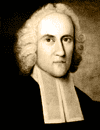 Jonathan Edwards
in Praise, One of the Chief Employments of Heaven
Read in context
There is such base and horrid ingratitude, in being the worse to God because he is a being of infinite goodness and grace, that it above all things renders wickedness vile and detestable.
Jonathan Edwards
in The Justice of God in the Damnation of Sinners
Read in context
God is severe with unbelief and sin, but God is good, infinitely good, and always good.
 A.W. Tozer
in Attributes of God (Series 2): The Goodness of God
Listen at 45:42
You can see cruelties and darkness, but it doesn't change the fact that God is good.
A.W. Tozer
in Attributes of God (Series 2): The Goodness of God
Listen at 24:01
It is often difficult at the moment to justify the wisdom and the goodness of God in His dealings with His saints.
 Octavius Winslow
in Evening Thoughts - December
Read in context
A God of love inflicts our sorrows: he is as good when he chastens as when he caresses: there is no more wrath in his afflicting providences than in his deeds of bounty.
C.H. Spurgeon
in The Barley Field on Fire
Read in context
Faith is that state of mind in which every thing is confidently committed to the wisdom and goodness of God.
Charles Finney
in The Rest of Faith--No. 2
Read in context
The newborn babe does not more naturally and more earnestly long for the breasts, than a soul who has tasted that the Lord is gracious, does long for more and more tastes of God.
 Thomas Brooks
in Divine Knowledge
Read in context
We need not fear that we shall ever come to the end of God's goodness, or to any experience for which he will have no blessing ready.
 J.R. Miller
in God's Reserve of Goodness
Read in context
The best of God's goodness is laid up in heaven; hence, to a Christian, death is always a glorious gain.
J.R. Miller
in God's Reserve of Goodness
Read in context
It is a great gain to have our eyes opened, to see the Lord's goodness and mercy following us all the days of our life and ourselves, even here, dwelling in the house of the Lord forevermore!
C.H. Spurgeon
in Young Man! A Prayer For You
Read in context
To withhold our praise, is to withhold testimony to his goodness, and this is often equivalent to leaving his character under suspicion.
Charles Finney
in On Offering Praise to God
Read in context
It is based on the revelation that God gives us of himself, of his goodness, his mercy, his readiness to forgive.
 David Wilkerson
in The Origin of True Worship
Read in context
What Scripture says
- Psalm 119:68 God is good and does what is good
- Mark 10:18 no one is good except God alone
- Psalm 145:9 the LORD is good to all
- James 1:17 every good and perfect gift comes from the Father, who does not change
- Exodus 33:18-19 God answers Moses by causing all His goodness to pass before him
- Titus 3:4-5 the kindness of God our Saviour appeared and He saved us
- Romans 2:4 God's kindness leads to repentance
- Psalm 34:8 taste and see that the LORD is good
- Psalm 31:19 great goodness laid up for those who fear Him
- Romans 8:28 God works all things together for the good of those who love Him
- Psalm 136:1 give thanks to the LORD, for He is good
How this page is made: the quotes are taken word for word from sermons on SermonIndex and checked against them by program before the page is published. The transcripts of audio and video sermons are machine-made, so follow the link to hear the words as they were spoken. The answer above the quotes is an overview with its sources listed; it is not a statement of doctrine by SermonIndex.