
Travailing prayer is prayer that labours before God as a mother labours in childbirth, most often for the salvation of others. The preachers quoted here trace it in Isaiah 66, in Paul, Epaphras, Hannah, Jacob and the Lord in Gethsemane, and say that it is given by the Spirit, that it costs much, and that it brings souls to birth.
Travailing prayer is prayer that labours before God as a mother labours to bring a child to birth. It is a deep and painful burden, most often for the salvation of others, that will not rest until God answers. The word travail in the older English Bibles means the labour of childbirth, and Isaiah uses that picture of the people of God: "Yet as soon as Zion was in labor, she gave birth to her children." (Isaiah 66:8). R.A. Torrey wrote on that text that "travail of soul is necessary if souls are to be born into the kingdom of God."1
The picture of birth
Scripture often speaks of spiritual life as a birth, and it uses the pains of birth as a picture. Jesus said, "A woman has pain in childbirth because her time has come; but when she brings forth her child, she forgets her anguish because of her joy that a child has been born into the world." (John 16:21). Paul took the same picture for his own praying and labouring over a church: "My children, for whom I am again in the pains of childbirth until Christ is formed in you" (Galatians 4:19). The pain is real, it has an end in view, and it ends when the child is born.
Charles Finney described it in his lectures on revivals: "This travail of soul, is that deep agony, which persons feel when they lay hold on God for such a blessing, and will not let him go till they receive it."2 Charles Spurgeon said, "Travail is no mockery, but a real agony of the whole nature."3
More than ordinary praying
A Christian may pray for the lost every day and never know this. Spurgeon said to his own congregation, "To some of you professors agonizing for souls would be a new thing—you pray for sinners in your usual prayers—but you do not know what it is to travail in birth for souls."4 J.H. Jowett asked ministers, "Is intercession with us a travail, or is it a playtime, a recreation, the least exacting of all things, an exercise in which there is neither labour nor blood?"5 He said, "If we pray in cold blood we are no longer the ministers of the Cross."6
The difference is in the heart, not in the length or the loudness of the prayer. Thomas Brooks wrote, "No prayer takes with God, but that which is the travail of the heart."7 He used the picture of birth himself: "Feeble prayers, like weak pangs, go over, and never brings a mercy to the birth."8 J.C. Ryle said, "There are live prayers and there are dead prayers; prayers that cost us nothing, and prayers which often cost us strong crying and tears."9
Other pages, linked below, deal with intercession in general and with persevering in prayer. This page keeps to the labour and pain of soul that Scripture calls travail.
When Zion was in labour
Isaiah's words were first spoken of Israel. The preachers quoted here saw in them a rule of God's working. Torrey wrote, "Every great religious awakening has been born out of travail of soul on the part of some one."10 Spurgeon said, "The like living zeal and vehement desire have always been perceptible in the Church of God before any season of refreshing."3 He pointed to the upper room before Pentecost: "There, with one heart and one mind, they tarried, but not without wrestling prayer, and so the Comforter was given, and three thousand souls were given also."3 Luke says of those days, "With one accord they all continued in prayer, along with the women and Mary the mother of Jesus, and with His brothers." (Acts 1:14).
Finney wrote that a revival which seems to come from nowhere has always a hidden cause. Ask among the obscure members of the church, he said, and it will be found that "some man or woman had been agonizing in prayer, for the salvation of sinners, until they gained the blessing."11 Leonard Ravenhill said, "There never has been a revival that I can trace, that hasn't been birthed back there with true, true, true intercession."12 Spurgeon took it as a ground of hope: "Beloved, you know that when Zion travails, she brings forth children—this, therefore, is a token for good—there are more souls to be gathered, for God must hear prayer and many are praying!"13
Preachers differ on how God's sovereign giving of revival and the prayers of His people fit together. This page does not settle that question. It gives the words of those who pressed the duty of travail, and the page on personal revival, linked below, quotes those who stress that only God can give it.
Paul in labour for his children
Paul is the plainest New Testament example. He had already laboured to see the Galatians brought to Christ. When they began to turn from the gospel he was in labour for them again, until Christ should be formed in them. Finney wrote of the agony of desire in prayer, "The apostle Paul speaks of it as a travail of the soul."14 Spurgeon said, "Many saints travail for souls—their hearts are in anguish until Christ is formed in others, the hope of Glory."13
The same man wrote of his own nation, "I have deep sorrow and unceasing anguish in my heart." (Romans 9:2). He told the Colossians, "I want you to know how much I am struggling for you and for those at Laodicea" (Colossians 2:1). Jowett wrote of this fellowship with the sufferings of Christ, "The ministers of Calvary must supplicate in bloody sweat, and their intercession must often touch the point of agony."15 Jonathan Edwards said of ministers, "They should travail in birth with the souls that are committed to their care, seeing their own salvation is the fruit of the travail of Christ's soul."16 Finney said of true saints, "Show them how they can convert sinners, and their longing hearts beat and wrestle with God in prayer, and travail for souls, until they see them converted and Christ formed in them the hope of glory."17
Epaphras
Paul names another man who prayed like this. "Epaphras, who is one of you and a servant of Christ Jesus, sends you greetings. He is always wrestling in prayer for you, so that you may stand mature and fully assured in the full will of God." (Colossians 4:12). G. Campbell Morgan said of the word Jude uses for contending for the faith, "The root of the word is found in the New Testament in other applications; where it is said for instance that Epaphras strove in prayer, we have the same word, which might be rendered agonizes."18 Andrew Bonar said of Epaphras, "He was not like Paul who wrote letters never-to-be-forgotten, but he had another talent, that of prayer, and he turned it to good account."19 Bonar noticed what Epaphras asked for. It was not first for the conversion of many at Colosse. "No, it was for believers he prayed with most intense earnestness, and always, day after day."19 He said, "It is more difficult to find Epaphrases than to find workers."19 He warned his hearers, "If you are not 'always labouring fervently in prayers' you will be dwarfed Christians."19
Travail, then, is not only for the unconverted. Paul and Epaphras both laboured in prayer for believers, that Christ might be formed in them and that they might stand mature.
Hannah
Hannah's prayer at Shiloh joins the picture and the fact. She had no child. "In her bitter distress, Hannah prayed to the LORD and wept with many tears." (1 Samuel 1:10). Eli thought she was drunk. She told him, "I have poured out my soul before the LORD." (1 Samuel 1:15). Brooks wrote, "The very soul of prayer lies in the pouring out of the soul before God, as Hannah did"20. Spurgeon said, "Many are in bitterness of soul, but they do not pray and, therefore, the taste of the wormwood remains."21 George Whitefield said, "There are times when the heart is too big to speak: and the spirit itself maketh intercession for the saints, and that too according to the will of God, with groanings that cannot be uttered."22
God gave her Samuel. She said when she brought him to the house of the LORD, "I prayed for this boy, and since the LORD has granted me what I asked of Him" (1 Samuel 1:27). Samuel Chadwick set her among those who prayed in this way: "Abraham pleading for Sodom, Jacob wrestling in the stillness of the night, Moses standing in the breach, Hannah intoxicated with sorrow, David heartbroken with remorse and grief"23.
Jacob at the Jabbok
Jacob wrestled through the night and would not let go. He said, "I will not let you go unless you bless me." (Genesis 32:26). Hosea adds what Genesis does not say: "he struggled with the angel and prevailed; he wept and sought His favor" (Hosea 12:4). Brooks wrote on that verse, "It is not the labour of the lips, but the travail of the heart; it is not the pouring forth a flood of words, but the pouring out of the soul, that makes a man a prince, a prevailer with God."24 E.M. Bounds wrote, "Prayer in its highest form and grandest success assumes the attitude of a wrestler with God."25 He wrote of the men of prayer in Scripture, "Prayer was to them what it was to Paul, a striving with earnest effort of soul, what it was to Jacob, a wrestling and prevailing, what it was to Christ, strong crying and tears."26 Spurgeon said of prayers offered in great heaviness of spirit, "Over such prayers, cataracts of tears are poured forth, and, Brethren, you may count it a blessed sign when you can sigh and cry in your supplications, for your tears are like the prevalent wrestling of Jacob when he won the name of Israel."27
Christ in Gethsemane
The Lord Jesus prayed like this. Luke says of Him in the garden, "And in His anguish, He prayed more earnestly, and His sweat became like drops of blood falling to the ground." (Luke 22:44). The writer to the Hebrews says, "During the days of Jesus' earthly life, He offered up prayers and petitions with loud cries and tears to the One who could save Him from death, and He was heard because of His reverence." (Hebrews 5:7). Finney wrote, "The desires of the Lord Jesus Christ for the blessing he prayed for, were amazingly strong, and amounted even to agony."28 He added, "Jesus Christ, when he was praying in the garden, was in such an agony, that he sweat as it were great drops of blood falling down to the ground."29 Chadwick wrote, "The sweat and agony of prayer were in the strong praying of the Father's Son, and it was always in obedience to the Father's will."30 Spurgeon said, "Even Christ went not forth to preach until he had spent nights in intercessory prayer, and uttered strong cryings and tears for the salvation of his hearers."3
Isaiah foretold the fruit of the Saviour's suffering: "After the anguish of His soul, He will see the light of life and be satisfied." (Isaiah 53:11). The older Bibles call that anguish the travail of His soul. No believer adds anything to the price Christ paid. But those who pray in travail share His desire for the lost. Spurgeon asked, "If there be no yearning of heart in the church, and no conversions, where is the travail of the Redeemer's soul?"3 Andrew Murray wrote of the believer's part in Christ's intercession, "The burden and the agony, the triumph and the victory are all His."31
The Spirit's groans
This praying is the work of the Holy Spirit. Paul writes, "In the same way, the Spirit helps us in our weakness. For we do not know how we ought to pray, but the Spirit Himself intercedes for us with groans too deep for words." (Romans 8:26). Just before, he has said that "the whole creation has been groaning together in the pains of childbirth until the present time." (Romans 8:22). Spurgeon said of the Spirit's intercession, "By this expression it cannot be meant that the Holy Spirit ever groans or personally prays"32. He said, "A groan then is a part of prayer which we owe to the Holy Ghost, and the same is true of all the prayer which wells up from the deep fountains of our inner life."32 Finney explained that the Spirit excites desires too great for words, "making the soul too full to utter its feelings by words, where the person can only groan them out to God, who understands the language of the heart."33 He wrote, "When we know not what to pray for, the Holy Spirit leads the mind to dwell on some object, to consider its situation, to realize its value, and to feel for it, and pray, and travail in birth, till the object is attained."34
Chadwick wrote of the Spirit, "His groanings are before our praying, and our prayers are born of His travail."35 Torrey said of a burden of prayer laid on a believer for one person, "We cannot rest, we pray for him with groanings which cannot be uttered."36 Edward Payson said of believers at their duties of prayer and praise, "To assist and encourage them in the performance of these duties, God is sometimes pleased to pour out upon them a spirit of grace and supplications, to assist their infirmities, and make intercession for them with groanings which cannot be uttered."37 Murray encouraged those who feel no such power: "The Holy Spirit may for a little time be hiding Himself within us; we may count upon Him, even though it be with groanings which cannot find expression, to pray in us; in due time we shall become conscious of His presence and power."38
A burden for souls
Travail begins with seeing the state of those who are without Christ. Paul wrote, "Brothers, my heart's desire and prayer to God for the Israelites is for their salvation." (Romans 10:1). Jeremiah cried, "Oh, that my head were a spring of water, and my eyes a fountain of tears! I would weep day and night over the slain daughter of my people." (Jeremiah 9:1). Spurgeon said, "A hard-hearted man may say a good thing which God will bless, but, as a rule, those who bring souls to Christ are those who first of all have felt an agony of desire that souls should be saved."3 He said, "It is only when our heart breaks to see men saved, that we shall be likely to see sinners' hearts broken."3 He added, "The secret of success lies in all-consuming zeal, all-subduing travail for souls."3 In another sermon he said of the cry of God's people, "It is a plaintive, bitter, painful thing—and, mark you—God's people seldom get a blessing in the conversion of souls till their prayer turns into a cry mingled with weeping."4
Finney asked, "Do you ask what it is that leads your mind to exercise benevolence for sinners, and to agonize in prayer for them?"39 He described the spirit that marks a revival: "The real revival spirit is a spirit of agonizing desires and prayer for sinners."40 He wrote of prayer meetings in such a time that the spirit of prayer is not a spirit of joy. "It is a spirit of travail, and agony of soul, supplicating and pleading with God with strong cryings, and groanings that cannot be uttered."41 Hyman Appleman wrote, "Our need is travailing Christians, weeping Christians, sacrificial Christians."42
It cannot be worked up
Groans and tears can be imitated. The preachers who taught most on travail were the first to say so. Finney wrote, "From my soul I abhor all affectation of feeling where there is none, and all attempts to work one's self up into feeling by groans."43 He would not make the degree of distress a rule for everyone: "I do not mean to be understood that it is essential to a spirit of prayer, that the distress should be so great as this."44 Bounds wrote, "The wrestling quality in importunate prayers does not spring from physical vehemence or fleshly energy."45
Chadwick wrote, "There are prayers that are impassioned and there is no answer, and there are things for which we know we ought to pray in an agony of prayer, and there is no power to pray."46 Paul says the same when he tells us that we do not know how we ought to pray. The burden is given. Our part is to keep near to God, to look honestly at the need, and to yield to the Spirit when He lays it on us. Chadwick also wrote of where the real cost of prayer lies: "The cost is not so much in the sweat of agonizing supplication as in the daily fidelity to the life of prayer."47
What it costs
This praying takes time, strength and feeling. Jowett wrote, "We must bleed if we would be the ministers of the saving blood."48 Bounds wrote of what it would do to the church's purse: "If all our missionary boards and secretaryships were turned into praying bands, until the agony of real prayer and travail with Christ for a perishing world came on them, real estate, bank stocks, United States bonds would be in the market for the spreading of Christ's Gospel among men."49
It weighs most on those who watch over others. Finney wrote, "Sometimes ministers have had this distress about their congregations, so that they felt as if they could not live unless they could see a revival."50 He also wrote, "The church know not the agony of a minister's heart, when he travails for souls, and labors to wake up the church to help, and still sees them in the slumbers of death."51 Spurgeon told ministers, "The man who rises in prayer to tears and agony, and feels all the while as if he could not pray, and yet must pray,—he is the man who will see the desire of his soul."52 He put it to his own people in strong words: "Go to your God and tell him that if souls are not saved, it is not because he has not power to save, but because you have never travailed as it were in birth for perishing sinners."53
What it does in the one who prays
God uses the labour to make the labourer. Spurgeon said, "As labor is now a blessing, so also is soul-travail; men are fashioned more fully into the likeness of Christ thereby, and the whole church is by the same emotion quickened into energy."3 He said that travail fits a church to care for those who are born: "God does not commit his new-born children to people who do not care to see conversions."3 He asked, "Who is so fit to encourage a new-born believer as the man who first anguished before the Lord for his conversion?"3 He added, "The church that never travailed, should God send her a hundred converts, would be unfit to train them; she would not know what to do with little children, and would leave them to much suffering."3
It also keeps the worker low. Spurgeon said, "Once more, there is a great benefit in the law which makes travail necessary to spiritual birth, because it secures all the glory to God."3 In another sermon he said, "Some workers can see souls converted and take the honor to themselves, but never that man who sowed in tears—he has learned his own weakness in the school of bitterness."27 He said of the kind of person God uses, "God chooses, usually, not men of great brains and a vast mind, but men of true-hearted, deep natures—with souls that can desire and pant and long and heave and throb!"27
What it brings forth
The psalm gives the promise: "Those who sow in tears will reap with shouts of joy." (Psalm 126:5). It goes on, "He who goes out weeping, bearing a trail of seed, will surely return with shouts of joy, carrying sheaves of grain." (Psalm 126:6). Torrey wrote, "It is doubtful that ever a single soul is born again without travail of soul on the part of some one."54 Spurgeon said, "There is a conquering power in the heart's tears in prayer."27 Finney wrote that when opposition drives the church to God something is near: "And when this drives Christians to their knees in prayer to God, with strong crying and tears, you may be certain there is going to be a revival."55
Some said the same of preaching. A.W. Pink wrote, "The most laboriously and carefully-prepared sermon is likely to fall unctionless upon the hearers unless it has been born out of travail of soul before God."56 Morgan wrote that a minister cannot carry it alone: "He may travail in birth for souls, but unless the church is in co-operative and living sympathy with him, there will be no result."57 Finney wrote of the need for ministers who win souls, "The church must travail in prayer, and groan and agonize for this."58 Appleman wrote, "The greatest need of today, in the church and outside of it, is travailing Christians."59
Joy when the child is born
The Lord's picture does not end with the pain. The mother "forgets her anguish because of her joy that a child has been born into the world." (John 16:21). Morgan wrote, "To tell the evangel, to pray with the seeker, to travail in birth for souls, to see the breaking of the light of God, to find another passing to His kingdom, this is life and joy indeed."60 Chadwick wrote of the one who has prayed a matter through, "The man who has not travailed through the supplication is always free to look for other explanations, but to the man who has prayed the explanation adds to the wonder of the answer."61
Appleman closed his chapter with a prayer: "God, give us, each of us, all of us, the grace to travail for souls until Zion brings forth her children."62
- R. A. Torrey, How To Work For Christ (Book 3), "Book three chapter five".
- Charles Finney, Lectures On Revivals Of Religion, "Lecture ii. when a revival is to be expected".
- C.H. Spurgeon, "Travailing for Souls" (sermon).
- C.H. Spurgeon, "A Discourse For A Revival Season" (sermon).
- J. H. Jowett, The Passion for Souls, "Ii".
- J. H. Jowett, The Passion for Souls, "Ii".
- Thomas Brooks, Writings of Thomas Brooks, "Volume 2".
- Thomas Brooks, Writings of Thomas Brooks, "Volume 2".
- J.C. Ryle, "Needs of the Times" (sermon).
- R. A. Torrey, How To Work For Christ (Book 3), "Book three chapter five".
- Charles Finney, Lectures On Revivals Of Religion, "Lecture ii. when a revival is to be expected".
- Leonard Ravenhill, Writings of Leonard Ravenhill, "Weeping Between the Porch and the Altar".
- C.H. Spurgeon, "Others To Be Gathered In" (sermon).
- Charles Finney, Lectures On Revivals Of Religion, "Lecture iv. prevailing prayer".
- J. H. Jowett, The Passion for Souls, "Ii".
- Jonathan Edwards, "Christ the Example of Ministers" (sermon).
- Charles Finney, "True Saints" (sermon).
- G. Campbell Morgan, "The Message of Jude" (sermon).
- Andrew Bonar, "Epaphras" (sermon).
- Thomas Brooks, Writings of Thomas Brooks, "Volume 2".
- C.H. Spurgeon, "A Woman of a Sorrowful Spirit" (sermon).
- George Whitefield, "The Resurrection of Lazarus. (John 11:43-44)" (sermon).
- Samuel Chadwick, Writings of Samuel Chadwick, "The Greatest Force On Earth".
- Thomas Brooks, Writings of Thomas Brooks, "Volume 2".
- E.M. Bounds, Purpose In Prayer, "Chapter VI |Nothing is impossible to industry, |said one of the seven...".
- E.M. Bounds, Power Through Prayer, "Part 1".
- C.H. Spurgeon, "Tearful Sowing and Joyful Reaping" (sermon).
- Charles Finney, Lectures On Revivals Of Religion, "Lecture iv. prevailing prayer".
- Charles Finney, Lectures On Revivals Of Religion, "Lecture iv. prevailing prayer".
- Samuel Chadwick, Writings of Samuel Chadwick, "In The Glory Of His Father".
- Andrew Murray, The Ministry Of Intercession, "Helps to Intercession".
- C.H. Spurgeon, "The Holy Spirit's Intercession" (sermon).
- Charles Finney, Lectures On Revivals Of Religion, "Lecture vi. the spirit of prayer".
- Charles Finney, Lectures On Revivals Of Religion, "Lecture vi. the spirit of prayer".
- Samuel Chadwick, Writings of Samuel Chadwick, "The Spirit Helping Our Infirmities".
- R.A. Torrey, "Praying in the Name of Christ and According to the Will of God" (sermon).
- Edward Payson, "Fellowship With the Father and With the Son" (sermon).
- Andrew Murray, The Ministry Of Intercession, "CHAPTER IX The Secret of Effectual Prayer".
- Charles Finney, Lectures On Revivals Of Religion, "Lecture vi. the spirit of prayer".
- Charles Finney, Writings of Charles Finney - Volume 1, "Bound to know your true character".
- Charles Finney, Lectures On Revivals Of Religion, "Lecture viii. meetings for prayer".
- Hyman J. Appleman, God's Answer to Man's Sin, "Chapter 08".
- Charles Finney, Lectures On Revivals Of Religion, "Lecture vi. the spirit of prayer".
- Charles Finney, Lectures On Revivals Of Religion, "Lecture ii. when a revival is to be expected".
- E.M. Bounds, The Necessity Of Prayer, "Vi. prayer and importunity".
- Samuel Chadwick, Writings of Samuel Chadwick, "Personality In Prayer".
- Samuel Chadwick, Writings of Samuel Chadwick, "Praying In Secret".
- J. H. Jowett, The Passion for Souls, "Ii".
- E.M. Bounds, The Essentials Of Prayer, "Xiii. prayer and missions".
- Charles Finney, Lectures On Revivals Of Religion, "Lecture ii. when a revival is to be expected".
- Charles Finney, Lectures On Revivals Of Religion, "Lecture xiii. how churches can help ministers".
- C.H. Spurgeon, An All-Round Ministry, "Strength in Weakness".
- Charles Haddon Spurgeon, Spurgeon's Sermons Volume 06: 1860, "True Prayer--True Power!".
- R. A. Torrey, How To Work For Christ (Book 3), "Book three chapter five".
- Charles Finney, Lectures On Revivals Of Religion, "Lecture ii. when a revival is to be expected".
- A.W. Pink, Writings of A W Pink - Volume 1, "Introduction".
- G. Campbell Morgan, Writings of G Campbell Morgan - Volume 1, "The sardis letter".
- Charles Finney, Lectures On Revivals Of Religion, "Lecture xii. how to preach the gospel".
- Hyman J. Appleman, God's Answer to Man's Sin, "Chapter 08".
- G. Campbell Morgan, Writings of G Campbell Morgan - Volume 1, "The Disciple in Joy".
- Samuel Chadwick, Writings of Samuel Chadwick, "The Greatest Force On Earth".
- Hyman J. Appleman, God's Answer to Man's Sin, "Chapter 08".
In their own words
Each line below is quoted exactly from a sermon on this site. Follow the link to hear or read it where it was said.
Travail is no mockery, but a real agony of the whole nature.
 C.H. Spurgeon
in Travailing for Souls
Read in context
The like living zeal and vehement desire have always been perceptible in the Church of God before any season of refreshing.
C.H. Spurgeon
in Travailing for Souls
Read in context
There, with one heart and one mind, they tarried, but not without wrestling prayer, and so the Comforter was given, and three thousand souls were given also.
C.H. Spurgeon
in Travailing for Souls
Read in context
Even Christ went not forth to preach until he had spent nights in intercessory prayer, and uttered strong cryings and tears for the salvation of his hearers.
C.H. Spurgeon
in Travailing for Souls
Read in context
If there be no yearning of heart in the church, and no conversions, where is the travail of the Redeemer's soul?
C.H. Spurgeon
in Travailing for Souls
Read in context
A hard-hearted man may say a good thing which God will bless, but, as a rule, those who bring souls to Christ are those who first of all have felt an agony of desire that souls should be saved.
C.H. Spurgeon
in Travailing for Souls
Read in context
It is only when our heart breaks to see men saved, that we shall be likely to see sinners' hearts broken.
C.H. Spurgeon
in Travailing for Souls
Read in context
The secret of success lies in all-consuming zeal, all-subduing travail for souls.
C.H. Spurgeon
in Travailing for Souls
Read in context
As labor is now a blessing, so also is soul-travail; men are fashioned more fully into the likeness of Christ thereby, and the whole church is by the same emotion quickened into energy.
C.H. Spurgeon
in Travailing for Souls
Read in context
God does not commit his new-born children to people who do not care to see conversions.
C.H. Spurgeon
in Travailing for Souls
Read in context
Who is so fit to encourage a new-born believer as the man who first anguished before the Lord for his conversion?
C.H. Spurgeon
in Travailing for Souls
Read in context
The church that never travailed, should God send her a hundred converts, would be unfit to train them; she would not know what to do with little children, and would leave them to much suffering.
C.H. Spurgeon
in Travailing for Souls
Read in context
Once more, there is a great benefit in the law which makes travail necessary to spiritual birth, because it secures all the glory to God.
C.H. Spurgeon
in Travailing for Souls
Read in context
To some of you professors agonizing for souls would be a new thing—you pray for sinners in your usual prayers—but you do not know what it is to travail in birth for souls.
C.H. Spurgeon
in A Discourse For A Revival Season
Read in context
It is a plaintive, bitter, painful thing—and, mark you—God's people seldom get a blessing in the conversion of souls till their prayer turns into a cry mingled with weeping.
C.H. Spurgeon
in A Discourse For A Revival Season
Read in context
There are live prayers and there are dead prayers; prayers that cost us nothing, and prayers which often cost us strong crying and tears.
 J.C. Ryle
in Needs of the Times
Read in context
Beloved, you know that when Zion travails, she brings forth children—this, therefore, is a token for good—there are more souls to be gathered, for God must hear prayer and many are praying!
C.H. Spurgeon
in Others To Be Gathered In
Read in context
Many saints travail for souls—their hearts are in anguish until Christ is formed in others, the hope of Glory.
C.H. Spurgeon
in Others To Be Gathered In
Read in context
They should travail in birth with the souls that are committed to their care, seeing their own salvation is the fruit of the travail of Christ's soul.
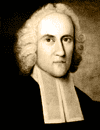 Jonathan Edwards
in Christ the Example of Ministers
Read in context
Show them how they can convert sinners, and their longing hearts beat and wrestle with God in prayer, and travail for souls, until they see them converted and Christ formed in them the hope of glory.
 Charles Finney
in True Saints
Read in context
The root of the word is found in the New Testament in other applications; where it is said for instance that Epaphras strove in prayer, we have the same word, which might be rendered agonizes.
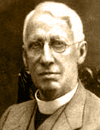 G. Campbell Morgan
in The Message of Jude
Read in context
He was not like Paul who wrote letters never-to-be-forgotten, but he had another talent, that of prayer, and he turned it to good account.
 Andrew Bonar
in Epaphras
Read in context
No, it was for believers he prayed with most intense earnestness, and always, day after day.
Andrew Bonar
in Epaphras
Read in context
It is more difficult to find Epaphrases than to find workers.
Andrew Bonar
in Epaphras
Read in context
If you are not 'always labouring fervently in prayers' you will be dwarfed Christians.
Andrew Bonar
in Epaphras
Read in context
Many are in bitterness of soul, but they do not pray and, therefore, the taste of the wormwood remains.
C.H. Spurgeon
in A Woman of a Sorrowful Spirit
Read in context
There are times when the heart is too big to speak: and the spirit itself maketh intercession for the saints, and that too according to the will of God, with groanings that cannot be uttered.
 George Whitefield
in The Resurrection of Lazarus. (John 11:43-44)
Read in context
Over such prayers, cataracts of tears are poured forth, and, Brethren, you may count it a blessed sign when you can sigh and cry in your supplications, for your tears are like the prevalent wrestling of Jacob when he won the name of Israel.
C.H. Spurgeon
in Tearful Sowing and Joyful Reaping
Read in context
Some workers can see souls converted and take the honor to themselves, but never that man who sowed in tears—he has learned his own weakness in the school of bitterness.
C.H. Spurgeon
in Tearful Sowing and Joyful Reaping
Read in context
God chooses, usually, not men of great brains and a vast mind, but men of true-hearted, deep natures—with souls that can desire and pant and long and heave and throb!
C.H. Spurgeon
in Tearful Sowing and Joyful Reaping
Read in context
There is a conquering power in the heart's tears in prayer.
C.H. Spurgeon
in Tearful Sowing and Joyful Reaping
Read in context
A groan then is a part of prayer which we owe to the Holy Ghost, and the same is true of all the prayer which wells up from the deep fountains of our inner life.
C.H. Spurgeon
in The Holy Spirit’s Intercession
Read in context
We cannot rest, we pray for him with groanings which cannot be uttered.
 R.A. Torrey
in Praying in the Name of Christ and According to the Will of God
Read in context
To assist and encourage them in the performance of these duties, God is sometimes pleased to pour out upon them a spirit of grace and supplications, to assist their infirmities, and make intercession for them with groanings which cannot be uttered.
 Edward Payson
in Fellowship With the Father and With the Son.
Read in context
What Scripture says
- Isaiah 66:8 as soon as Zion was in labour, she gave birth to her children
- Galatians 4:19 Paul in the pains of childbirth until Christ is formed in them
- Romans 8:26 the Spirit intercedes with groans too deep for words
- Colossians 4:12 Epaphras always wrestling in prayer
- Luke 22:44 in His anguish He prayed more earnestly
- Hebrews 5:7 prayers and petitions with loud cries and tears
- 1 Samuel 1:10 Hannah prayed in bitter distress and wept
- Hosea 12:4 Jacob struggled, wept and sought His favour
- Psalm 126:5 those who sow in tears will reap with shouts of joy
- John 16:21 the anguish forgotten for joy that a child is born
- Isaiah 53:11 after the anguish of His soul He will be satisfied
How this page is made: the quotes are taken word for word from sermons on SermonIndex and checked against them by program before the page is published. The transcripts of audio and video sermons are machine-made, so follow the link to hear the words as they were spoken. The answer above the quotes is an overview with its sources listed; it is not a statement of doctrine by SermonIndex.