
Achieving the Victory
Suffering is not just a burden, but an opportunity to achieve a weight of glory and learn the laws of victory.
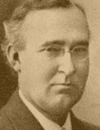
Charles E. Cowman delves into the concept that our temporary suffering in this life is actually working towards a greater weight of glory for us, emphasizing that our trials are achieving something precious for us. He highlights the idea that joy often emerges from pain, using examples like Fanny Crosby's hymn writing to illustrate how sorrow can lead to spiritual discernment and beauty. Cowman reassures that sorrow is temporary and that joy will come in the morning, drawing parallels to the brevity of a thunderstorm compared to a long summer day. He concludes by pointing out that true peace is found in enduring conflicts and sacrifices, akin to the peace that triumphed in Gethsemane.
Text
"For this our light and transitory burden of suffering is achieving for us a weight of glory"
(2 Cor. 4:17). (Weymouth)
"Is achieving for us," mark. The question is repeatedly asked--Why is the life of man drenched with so much blood, and blistered with so many tears? The answer is to be found in the word "achieving"; these things are achieving for us something precious. They are teaching us not only the way to victory, but better still the laws of victory. There is a compensation in every sorrow, and the sorrow is working out the compensation.
It is the cry of the dear old hymn:
"Nearer my God to Thee, nearer to Thee,
E'en tho' it be a cross that raiseth me."
Joy sometimes needs pain to give it birth. Fanny Crosby could never have written her beautiful hymn, "I shall see Him face to face," were it not for the fact that she had never looked upon the green fields nor the evening sunset nor the kindly twinkle in her mother's eye. It was the loss of her own vision that helped her to gain her remarkable spiritual discernment.
It is the tree that suffers that is capable of polish. When the woodman wants some curved lines of beauty in the grain he cuts down some maple that has been gashed by the axe and twisted by the storm. In this way he secures the knots and the hardness that take the gloss.
It is comforting to know that sorrow tarries only for the night; it takes its leave in the morning. A thunderstorm is very brief when put alongside the long summer day. "Weeping may endure for the night but joy cometh in the morning." --Songs in the Night
"There is a peace that cometh after sorrow,
Of hope surrendered, not of hope fulfilled;
A peace that looketh not upon tomorrow,
But calmly on a tempest that it stilled.
"A peace that lives not now in joy's excesses,
Nor in the happy life of love secure;
But in the unerring strength the heart possesses,
Of conflicts won while learning to endure.
"A peace there is, in sacrifice secluded,
A life subdued, from will and passion free;
'Tis not the peace that over Eden brooded,
But that which triumphed in Gethsemane."
Sermon Outline
- I. The Purpose of Suffering
- A. To achieve a weight of glory
- B. To teach us the laws of victory
- II. The Compensation in Sorrow
- A. Joy needs pain to give it birth
- B. Sorrow can lead to spiritual discernment
- III. The Value of Suffering
- A. It polishes us, making us capable of beauty
- B. It secures knots and hardness that take the gloss
- IV. The Transience of Sorrow
- A. Sorrow tarries only for the night
- B. Joy comes in the morning
Key Quotes
“Joy sometimes needs pain to give it birth.” — Charles E. Cowman
“Weeping may endure for the night but joy cometh in the morning.” — Charles E. Cowman
“A peace that cometh after sorrow, / Of hope surrendered, not of hope fulfilled;” — Charles E. Cowman
Application Points
- We can find joy and spiritual growth in the midst of suffering.
- Suffering can polish us and make us capable of beauty.
- Joy comes in the morning, and sorrow tarries only for the night.