
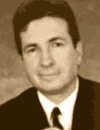
Treasures in Heaven
E.A. Johnston challenges believers to prioritize eternal treasures over earthly wealth by faithfully investing in the spread of the gospel and self-denial.
In his sermon 'Treasures in Heaven,' E.A. Johnston calls believers to evaluate their priorities in light of Jesus' teachings on wealth and devotion. He contrasts worldly financial concerns with the eternal value of investing in the gospel and serving others. Drawing on biblical examples and personal testimony, Johnston challenges the prosperity gospel and encourages sacrificial giving and self-denial. This message inspires Christians to store up treasures in heaven by living a life fully committed to Christ's mission.
Full Transcript
There are times in the Gospels where the words of Jesus go against our modern concepts of living, just as they went against the held concepts of his hearers when he spoke them, whether he spoke them on a mountain, or sitting in a boat by the sea, or standing in the crowded temple complex. His words ran against both human nature and human desire, and often left his hearers raw. Who wants to hate his life, take up his cross, forsake all, and follow him in a life of daily self-denial? Why, that teaching is contrary to all the self-help books published by Christian publishers today, where self-empowerment is the main message for motivation.
Even much of Christian thought and teaching today travels in the opposite direction to the hard sayings of Christ. We're told by Christian leaders to build an investment nest egg for the future, to take any extra cash we have, and pay down our home mortgage so not to be in debt. I recall a ministry some years ago that fell on hard times because some of the supporters of that ministry took a financial course at church and rerouted what they were given to that ministry to pay down their home mortgage, which all of a sudden had become an obsession with them for taking that course on financial management.
But if being out of debt is the primary purpose of your Christian walk, then you may neglect to give your money to the spread of the gospel. It'll take second place after you first take care of your family's nest egg. This goes against our concepts of money and investments today in Christian circles.
But what will we say to Christ as we appear before him at the Bema seat? Any questions or financial stewardship in relation to our giving to spread his gospel in the salvation of souls? And we answer that paying down our home mortgage took precedent over everything else. When we stand in eternity, our paradigm on what we thought was important here will radically change to little significance there. I believe many believers today run with the herd of modern thought rather than stick to the teachings of Christ in our Bibles.
I am convinced that if you were to take a poll in the average church today, that the majority of church members spend more time worrying over the returns on their investment portfolio than they do the lost and perishing around them. The title of my message today, friends, is Treasures in Heaven, and my text can be found in Matthew's gospel in chapter six. You can turn in your Bibles there now, friends.
We will be in verses 19 through 21. Listen to the words of Jesus. Lay not up for yourselves treasures upon earth, where moth and rust doth corrupt, and where thieves break through and steal.
But lay up for yourselves treasures in heaven, where neither moth nor rust doth corrupt, and where thieves do not break through nor steal. For where your treasure is, there will your heart be also. Often what Jesus said went against the grain of culture and human nature.
His words often rubbed his hearers raw because some of his hard sayings were just too hard for them to accept. In John's gospel we read, And he said, Therefore said I unto you, that no man can come unto me, except it were given unto him of my father. From that time many of his disciples went back and walked no more with him.
The hard sayings of Jesus were just too hard to swallow for them. He told the rich young ruler to sell all and give to the poor and come and follow him. Today we would have gladly thrown arms around the rich young man and made him chairman of the deacons.
Money has too much of a hold on us. Many in the church are shackled by their wealth. I remember a time years ago where my family was in dire straits.
I was working hard. My wife was working hard. We were given what we had toward the spread of the gospel, and we hit a hard place financially in our life through an unforeseen hardship to where we were going to lose everything if we didn't receive some help.
I telephoned a close friend of mine from church who was a millionaire. He lived in a million dollar mansion on many acres. He owned and flew a private plane that cost a million dollars.
I asked this man to loan me a very small sum of money to get us through, to get my family over this financial crisis. He said he'd have to pray about it and call me back. Well, three days went by and I didn't hear from him, so I picked up the phone and called him.
He hemmed and hawed and said he couldn't help us because he'd have to shift around too many things in his portfolio to do so. I was shocked. I later learned around that same time he was upgrading his kitchen for $25,000.
Being rich in the things of this world doesn't automatically mean you are rich toward God. The prosperity gospel has corrupted much of our beliefs today that if we follow Jesus, he will give us health, wealth, and prosperity in proportion to how much we give the televangelist so he can buy a newer jet. But on the other hand, C.T. Studd, the missionary to China and Africa, came from a very wealthy family, and when it came time to receive his inheritance, which was a fortune, he prayed about it and decided to do what the rich young ruler would not, and he gave his entire fortune to be shared between the Salvation Army, D.O. Moody, and other ministries whose focus was the spread of the gospel.
C.T. Studd suffered the rebuke of his rich society of friends and even family members for giving away such a vast sum and placing his own family in hardship, but he was able to write the following with a clear conscience, Only one life will soon be passed. Only what's done for Christ will last. C.T. Studd made Jesus his life's priority.
He also observed, Christ's call is to save the lost, not the stiff-necked. He came not to call scoffers but sinners to repentance, not to build and furnish comfortable chapels, churches, and cathedrals at home, in which to rock Christian professors to sleep by means of clever essays, stereotype prayers, and artistic musical performances, but to capture men from the devil's clutches and the very jaws of hell. This can be accomplished only by a red-hot, unconventional, unfettered devotion in the power of the Holy Spirit to the Lord Jesus Christ.
Well, those were his words, and I believe, friend, that every time we hand out a gospel track, we're making a deposit in the bank of heaven. Every time we share our faith, another deposit goes into that account. Every time we take the time to get on our knees and pray for a lost person to be saved, there goes another addition to that heavenly treasure.
Every time we give what we have for the spread of the gospel or support of those in need, we add to that sum accumulating up in heaven's bank account. Every time we preach the gospel, there goes another deposit. Every time we teach a Sunday School class or lead a discipleship group, you can hear those more deposits clink and clank into that account's treasure.
Like I said, friends, when we die, in any eternity, our viewpoint will radically be altered, and what we thought was important down here will be insignificant up there. Jesus said, for where your treasure is, there will be your heart also. Let us pray.
Sermon Outline
-
I. The Hard Sayings of Jesus
- Jesus' teachings contradict human nature and cultural norms
- His words challenge modern Christian financial priorities
- Many disciples left because they could not accept His demands
-
II. Earthly Wealth vs. Heavenly Treasure
- The danger of prioritizing debt reduction and investments over gospel giving
- The impermanence and corruption of earthly treasures
- Where your treasure is, there your heart will be also
-
III. Examples of True Devotion
- The rich young ruler's challenge and failure
- C.T. Studd's sacrificial giving and legacy
- The contrast with prosperity gospel teachings
-
IV. Practical Ways to Store Treasures in Heaven
- Sharing the gospel and giving for its spread
- Praying for the lost and teaching others
- Living a life of self-denial and devotion to Christ
Key Quotes
“Lay not up for yourselves treasures upon earth, where moth and rust doth corrupt, and where thieves break through and steal.” — E.A. Johnston
“Only one life will soon be passed. Only what's done for Christ will last.” — E.A. Johnston
“Every time we hand out a gospel track, we're making a deposit in the bank of heaven.” — E.A. Johnston
Application Points
- Evaluate your financial priorities to ensure they align with eternal values rather than earthly security.
- Engage regularly in sharing the gospel and supporting missions as ways to store treasures in heaven.
- Practice self-denial and sacrificial giving as an expression of devotion to Christ.