
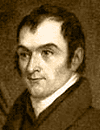
Living to God
The sermon emphasizes that our primary purpose is to praise and glorify God, reflecting on the consequences of neglecting this duty.
Edward Payson emphasizes the importance of praising and glorifying our Creator, highlighting that failing to do so goes against the purpose of our existence and can lead to God's displeasure. He draws parallels between the refusal of inanimate objects to fulfill their design and our neglect to praise God, stressing that as rational beings, we have the capacity and obligation to fulfill our purpose. Payson urges that while nature may continue its course, it is crucial for us as rational creatures to not neglect our duty of praising God.
Text
We were created and redeemed for the sole purpose of praising and glorifying our Creator; and if we refuse or neglect to do this, we transgress the great law of creation, frustrate the end of existence, leave unperformed the work for which we were made, and do all in our power to prove that we were created in vain; and to cause God to repent of having made us.
Should the sun refuse to shine: should the showers refuse to descend; should the earth refuse to bring forth food; or should trees in a fruitful soil continue barren--would you not say that it was contrary to nature and to the design of their creation; and that since they no lodger fulfilled this design, they might properly be reduced to nothing again?
And do you not see that while you refuse to praise God, your conduct is equally unnatural, and that you may justly be made the monuments of his everlasting displeasure ? What would only be unnatural in inanimate creatures, is the height of folly and wickedness in us; because we are capable of knowing our duty, and are under innumerable obligations to practice it.
Let the sun then refuse to shine, the showers to descend, and the earth to be fruitful; but let not rational creatures refuse to praise their Creator, since it is the purpose for which they were created.
Sermon Outline
- I points: - Purpose of Creation - Obligation to Praise - Consequences of Neglect
- II points: - Nature's Role in Praise - Comparison with Inanimate Creation - Understanding Our Duty
- III points: - The Folly of Refusal - God's Expectations - Living in Accordance with Creation
- IV points: - The Nature of Worship - Fulfillment of Existence - Glorifying the Creator
Key Quotes
“We were created and redeemed for the sole purpose of praising and glorifying our Creator.” — Edward Payson
“What would only be unnatural in inanimate creatures, is the height of folly and wickedness in us.” — Edward Payson
“Let not rational creatures refuse to praise their Creator, since it is the purpose for which they were created.” — Edward Payson
Application Points
- Recognize your role as a creation designed to glorify God in all aspects of life.
- Make a conscious effort to incorporate praise into your daily routine.
- Reflect on the natural world as a reminder of your obligation to worship the Creator.