
Matthew 25:1-13. the Parable of the Ten Virgins.
The parable of the ten virgins teaches us to watch and prepare for the sudden return of our Lord, lest we experience eternal separation from God.
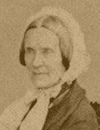
Favell Lee Mortimer preaches on the parable of the wise and foolish virgins, highlighting the distinction between true believers and false professors. The parable emphasizes the importance of being prepared for the sudden return of the Lord, as depicted by the wise virgins who had oil for their lamps and the foolish virgins who were unprepared. It warns against relying solely on a form of religion without possessing genuine faith and the fruits of the Holy Spirit, as seen in the bitter disappointment of the foolish virgins when they were shut out by the bridegroom. The parable serves as a reminder to continually watch and be ready for Christ's return, as it may come unexpectedly, leaving those unprepared in eternal despair.
Text
In this parable the open enemies of Christ are not mentioned. There are only two classes described--true believers and false professors.
It seems that the difference between the wise and foolish virgins was not discovered until the bridegroom's return was announced. Had the wise virgins been aware of the unprepared state of their companions, they would sooner have recommended them to supply themselves with oil. There are many false professors who are not detected by true Christians. What do they gain by the deception? They gain a name to live; but they lose more than they gain; for they lose those moving exhortations which would be addressed to them, if their real state were known, and which might prove their salvation. They are permitted to remain undisturbed, because they are undetected. They learn to flatter themselves in their own eyes, and to believe that they are secure. But when the bridegroom returns, then their sad condition will be discovered.
What a succession of disappointments will they experience at last! It was a disappointment to the foolish virgins when they found that their lamps had gone out. It will be a bitter disappointment to many when they find that a form of religion will avail them nothing; and that they have no grace in their hearts. The oil seems to represent holy feelings, which the Holy Spirit alone bestows; love, faith, repentance, peace, hope, joy. It is possible to maintain a creditable reputation for piety without possessing any of the fruits of the Holy Spirit; but it is written, "Without holiness no man shall see the Lord."
The first disappointment the foolish virgins met with was finding their lamps had gone out. The second was hearing their companions refuse to share any of their oil. Our Christian friends will not be able to help us in the day of the Lord! They will not be able to impart to us the grace which is in their own hearts. When the foolish virgins returned from buying oil, how great must have been their disappointment to find the door shut! Yet they still entertained hope, and entreated to be admitted. The bridegroom's reply was the last, and the greatest of all the disappointments they had sustained. Those terrible words, "I know you not," cut off every hope, and consigned to eternal despair.
And what does this parable teach? To watch--that is, to prepare for the sudden return of our Lord. He will come with the rapidity of lightning, and those whom he finds unprepared, must continue forever unfit to abide in his presence. He gives notice to the world of the suddenness of his second coming by the suddenness with which he often causes the arrows of death to overtake sinners. Some are cut off so suddenly that they do not even know that they are dying. They fall down in a fit, are stunned by a blow, or dashed to pieces by a fall, before they can say, or even think, "Is this death?" Others have a short warning of their latter end; they are filled with dismay; they know not what to do; they send here and there for some minister to pray with them, but before he can arrive they expire. Few, when they are first taken ill, know that their sickness is unto death; and their last hour often comes upon them with unexpected speed.
It is the height of folly to remain satisfied with having a form of religion; for, at any moment, we may hear the cry, "The bridegroom comes." Then the unconverted will suddenly discover that they are not prepared; but the discovery will be of no use then. How important it is to ascertain now whether we are born again of the Spirit, sprinkled with the blood of Jesus Christ, and meet for the inheritance of the saints in light!
Sermon Outline
- I. The Two Classes Described in the Parable
- A. True believers
- B. False professors
- II. The Difference Between the Wise and Foolish Virgins
- A. The wise virgins were prepared with oil
- B. The foolish virgins were not prepared
- III. The Consequences of Being Unprepared
- A. Disappointment and despair
- B. Eternal separation from God
- IV. The Importance of Preparation
- A. Watch and prepare for the sudden return of Christ
- B. Be born again of the Spirit and meet for the inheritance of the saints
Key Quotes
“What a succession of disappointments will they experience at last!” — Favell Lee Mortimer
“Without holiness no man shall see the Lord.” — Favell Lee Mortimer
“I know you not,” — Favell Lee Mortimer
Application Points
- We must watch and prepare for the sudden return of our Lord by being born again of the Spirit and meeting for the inheritance of the saints.
- A creditable reputation for piety is not enough; we must possess the fruits of the Holy Spirit to be saved.
- Our Christian friends cannot help us in the day of the Lord; we must rely on our own preparation and relationship with God.