
Matthew 7:15-20. Christ Warns Against False Prophets.
Christ warns against false prophets and teaches us to detect them by their fruits, emphasizing the importance of receiving a new nature through God's Spirit.
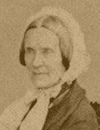
Favell Lee Mortimer emphasizes the importance of discerning false teachers who lead people astray by preaching an easier path contrary to the narrow way to heaven. Drawing parallels to the false prophets in ancient times, she warns against those who do not teach the necessity of true conversion and living faith, ultimately hindering believers from experiencing the cleansing power of Christ's blood. By highlighting the deceptive nature of false ministers who appear as sheep but are inwardly wolves, Mortimer urges listeners to evaluate these teachers by their fruits, emphasizing that only a transformed heart can produce the genuine fruits of the Spirit.
Text
Our Savior had been showing his disciples the necessity of walking in the narrow way to heaven. He knew that many false teachers would arise, who would point out an easier way; and the Pharisees at that very time encouraged people, by their instructions and example, to walk in the broad road which leads to destruction.
There have been false teachers in all ages. There were some among the Jews of old. Jeremiah and Ezekiel warned the people against prophets, who said, "Peace, peace, when there was no peace," and "healed the wound of the daughter of God's people slightly," and "daubed the wall with untempered mortar." (Ez. 13.) By these comparisons we are taught that the false prophets encouraged people to remain in sin. False ministers do so now; they do not teach the necessity of a living faith, and of an entire change of heart; therefore their hearers are not led to wash in the fountain of Christ's blood, or to pray that they may be truly converted.
It is quite necessary to warn people against such teachers; for many listen to their words, and follow their pernicious ways. These ministers are compared to wolves, because they destroy the souls of God's people. They are described as wearing sheep's clothing, because they often speak in a religious tone, and use Scripture language. When Lord Cobham was tried in London, in the year 1413, these hypocritical sentences were written by the Papists in his letter of condemnation and death--"Following Christ's example in all that we might, who wills not the death of a sinner, but rather that he be converted and live, we took upon us to correct him. . . . Pitying him of fatherly compassion, and entirely desiring the health of his soul, we appointed him an adequate time of deliberation. Christ we take unto witness, that nothing else we seek in this our whole enterprise but his glory."
This language was sheep's clothing. Those who used it were inwardly ravening wolves. They sought to kill a pious nobleman, because he would not believe the errors which they taught. At last they obtained their heart's desire; for Lord Cobham was sentenced by the English parliament to be hung in chains and roasted over a slow fire!
Christ has told us how we are to detect false teachers when disguised in a fleece--by their fruits. The fruits of the Spirit are love, joy, peace, long-suffering, gentleness, goodness, faith, meekness, temperance. These heavenly qualities adorn every faithful minister, though in some they flourish more than in others. Love reigns in the heart of every true Christian, and shines forth in his actions. He may be known by his kindness to all the saints, by his patient behavior to his enemies, and by his unwearied efforts to save the souls of men. None but a converted person brings forth such fruits as these. There are many unconverted people who lead moral, respectable, and even benevolent lives, but their hearts do not overflow with this love that we have described; and as their apparently good actions do not proceed from the right motive, they are worthless in the sight of Him who searches the hearts. None but a good tree can bring forth good fruit. We are all bad trees by nature; but God can make us good trees by his Spirit.
How dreadful is the declaration--"Every tree which doesn't bring forth good fruit, is hewn down and cast into the fire!" Should not this terrible sentence lead us all anxiously to inquire, "Have I received a new nature? Have I become a good tree? Has the heavenly Husbandman found good fruit growing upon my branches?" The loving, the tender Savior would not have alarmed us, had there been no cause for alarm.
Sermon Outline
- I. Introduction to False Prophets
- A. Jesus warns against false prophets in Matthew 7:15-20
- B. False prophets have been present throughout history
- II. Characteristics of False Prophets
- A. They encourage people to remain in sin
- B. They do not teach the necessity of a living faith and an entire change of heart
- C. They often speak in a religious tone and use Scripture language
- III. Detecting False Teachers
- A. By their fruits (Matthew 7:20)
- B. The fruits of the Spirit are love, joy, peace, etc.
- C. True Christians bring forth good fruit
- IV. The Consequences of Not Being a Good Tree
- A. Every tree that does not bring forth good fruit is hewn down and cast into the fire (Matthew 7:19)
- B. We must anxiously inquire if we have received a new nature and become a good tree
Key Quotes
“The fruits of the Spirit are love, joy, peace, long-suffering, gentleness, goodness, faith, meekness, temperance.” — Favell Lee Mortimer
“We are all bad trees by nature; but God can make us good trees by his Spirit.” — Favell Lee Mortimer
“Every tree which doesn't bring forth good fruit, is hewn down and cast into the fire!” — Favell Lee Mortimer
Application Points
- We must anxiously inquire if we have received a new nature and become a good tree.
- True Christians bring forth good fruit, such as love, joy, and peace.
- We can become a good tree by receiving a new nature through God's Spirit.