
Hope in Waiting
True hope is demonstrated by quiet waiting, which tests the strength of one's faith.
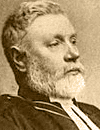
George Matheson emphasizes the profound relationship between hope and quiet waiting, illustrating that true hope is often measured by the calmness of our waiting. He contrasts the impulsive nature of hope with the serene state of waiting, suggesting that the strongest hope is found in a peaceful heart. Matheson argues that while excitement can weaken hope, a calm demeanor reflects a deep-seated confidence in God's promises. He encourages believers to embrace this 'sublimely happy marriage' of hope and waiting, as it reveals the strength of their faith. Ultimately, he portrays the quietness of waiting as a testament to the assurance of salvation.
Text
"It is good that a man should both hope and quietly wait for the salvation of the Lord"
(Lam. 3:26).
What a singular combination--hope and quiet waiting! It is like a union of poetry and prose. Does it not seem an incongruous mixture of sentiments! We associate hope with impulse; quiet waiting is surely the want of impulse! Hope is a state of flight; waiting implies repose. Hope is the soul on the wing; waiting is the soul in the nest. Hope is the eagerness of expectancy; waiting is a condition of placid calm. Is not that a strange union of feelings to put into one breast! No; it is a sublimely happy marriage--the happiest conceivable. There is no test of hope like quiet waiting.
If you want to measure the strength of a man's hope, you must measure the quietness of his waiting. Our hope is never so weak as when we are excited. I have seen two men who were engaged in the same cause, and who were equally bent on the cause, affected quite differently in an argument. The one was fiery, impetuous, vehement, tempted to lose temper and prompted to be abusive; the other was calm, cool, quiet, disposed to be deferential and inclined to be conciliatory. Yet the second was the man of sure hope. He was calm because he was fearless, he was silent because he was sanguine. He had seen the star in the east and he knew it was travelling westward. He did not care to argue about it, to protest about it, to lose his temper about it. He was so sure of its coming that he was willing to make concessions. He could afford to be gentle, he could afford to be generous, in the light of the morning star.
Sermon Outline
- The Combination of Hope and Quiet Waiting
- The Test of Hope
- The Characteristics of Quiet Waiting
- Calmness
- Fearlessness
- Sanguineness
Key Quotes
“It is good that a man should both hope and quietly wait for the salvation of the Lord” — George Matheson
“There is no test of hope like quiet waiting” — George Matheson
“He was so sure of its coming that he was willing to make concessions” — George Matheson
Application Points
- Cultivate quiet waiting as a means to test and strengthen your hope.
- Recognize that excitement and impatience can weaken your hope.
- Be willing to make concessions and be calm in the face of uncertainty, trusting in the goodness of God.