
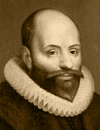
Divine Providence
James Arminius explains the concept of Divine Providence, emphasizing God's general care over the world and His particular concern for all creatures.
James Arminius delves into the concept of Divine Providence, emphasizing God's meticulous care and oversight over the entire world and all His creatures, with a particular focus on believers. He clarifies that nothing in the world occurs by chance, as God preserves, regulates, and directs all things, including the free will and actions of rational beings. Arminius distinguishes between good and evil actions, attributing good acts to God's will and evil acts to His permission, without making God the cause of sin, a point he has defended in various disputations and writings.
Text
II. THE PROVIDENCE OF GOD
I consider Divine Providence to be "that solicitous, continued, and universally present inspection and oversight of God, according to which he exercises a general care over the whole world, but evinces a particular concern for all his [intelligent] creatures without any exception, with the design of preserving and governing them in their own essence, qualities, actions, and passions, in a manner that is at once worthy of himself and suitable to them, to the praise of his name and the salvation of believers.
In this definition of Divine Providence, I by no means deprive it of any particle of those properties which agree with it or belong to it; but I declare that it preserves, regulates, governs and directs all things and that nothing in the world happens fortuitously or by chance.
Beside this, I place in subjection to Divine Providence both the free-will and even the actions of a rational creature, so that nothing can be done without the will of God, not even any of those things which are done in opposition to it; only we must observe a distinction between good actions and evil ones, by saying, that "God both wills and performs good acts," but that "He only freely permits those which are evil." Still farther than this, I very readily grant, that even all actions whatever, concerning evil, that can possibly be devised or invented, may be attributed to Divine Providence Employing solely one caution, "not to conclude from this concession that God is the cause of sin." This I have testified with sufficient clearness, in a certain disputation concerning the Righteousness and Efficacy of Divine Providence concerning things that are evil, which was discussed at Leyden on two different occasions, as a divinity-act, at which I presided.
In that disputation, I endeavoured to ascribe to God whatever actions concerning sin I could possibly conclude from the scriptures to belong to him; and I proceeded to such a length in my attempt, that some persons thought proper on that account to charge me with having made God the author of sin. The same serious allegation has likewise been often produced against me, from the pulpit, in the city of Amsterdam, on account of those very theses; but with what show of justice such a charge was made, may be evident to any one, from the contents of my written answer to those Thirty-one Articles formerly mentioned, which have been falsely imputed to me, and of which this was one.
Sermon Outline
- I. Definition of Divine Providence
- A. God's general care over the world
- B. God's particular concern for all creatures
- C. God's design to preserve and govern them
- II. Properties of Divine Providence
- A. Preservation
- B. Regulation
- C. Governance
- D. Direction
- III. Human Free Will and Divine Providence
- A. God's will and human actions
- B. Good and evil actions
- C. God's permission of evil
- IV. Divine Providence and Sin
- A. God's role in sin
- B. The distinction between God's will and human sin
Key Quotes
“Divine Providence is that solicitous, continued, and universally present inspection and oversight of God, according to which he exercises a general care over the whole world, but evinces a particular concern for all his intelligent creatures without any exception.” — James Arminius
“God both wills and performs good acts, but that He only freely permits those which are evil.” — James Arminius
“I have testified with sufficient clearness, in a certain disputation concerning the Righteousness and Efficacy of Divine Providence concerning things that are evil, which was discussed at Leyden on two different occasions, as a divinity-act, at which I presided.” — James Arminius
Application Points
- Recognize God's sovereignty in all aspects of life, including good and evil events.
- Understand the distinction between God's will and human sin, and how God permits evil to happen.
- Trust in God's goodness and justice, even in the midst of difficult circumstances.