
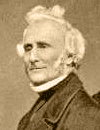
The Form of a Servant
Christ's sermon highlights His dual nature as both God and a servant, demonstrating humility and willingness to serve others.
John Gifford Bellett emphasizes the humility and servanthood of Christ Jesus, who, though in the form of God, took on the form of a servant and became like man. Bellett illustrates how Jesus, despite His divine nature, concealed His glory and performed miracles in a humble manner, such as paying tribute with a miraculous provision, quietly attending a wedding feast, and calming a storm as a tired man. Through these actions, Jesus demonstrated His true identity as the Creator and Lord of all, hidden beneath His humble exterior.
Text
"Christ Jesus: who, being in THE FORM OF GOD, thought it not robbery to be equal with God: but made Himself of no reputation, and took upon Him THE FORM OF A SERVANT, and was made in the likeness of men" (Philippians 2:5-7).
In His life, Christ hides His glory "the form of God," under the "form of a servant" as illustrated in the gospels. When asked for tribute, He pays the custom for Peter and Himself by commanding a fish from the sea to bring Him that very piece of money needed. On another occasion, He was the unnoticed guest at a marriage feast, yet as the very Creator of all He furnished it. Observe Him again in the vessel on the lake during a storm. He was there as a tired laboring man whose sleep was sweet. Such was His manifested form.
But underneath lay "the form of God." He arose and rebuked the sea into a calm. Who was He? None less than He of whom it had been written "The earth is the Lord's, and the fulness thereof."
Sermon Outline
- The Form of God
- The Form of a Servant
- The Coexistence of Both Forms
- Christ's dual nature
- Manifested form vs. underlying form
Key Quotes
“Christ Jesus: who, being in THE FORM OF GOD, thought it not robbery to be equal with God: but made Himself of no reputation, and took upon Him THE FORM OF A SERVANT, and was made in the likeness of men” — John Gifford Bellett
“He was there as a tired laboring man whose sleep was sweet” — John Gifford Bellett
“The earth is the Lord's, and the fulness thereof” — John Gifford Bellett
Application Points
- We should strive to demonstrate humility and willingness to serve others, just like Christ.
- Our dual nature as both human and spiritual beings can be understood through Christ's example.
- We should recognize and respect Christ's divine nature and authority.