
The Man of Sorrows
The sermon highlights the significance of Jesus Christ's life, death, and resurrection, and emphasizes the depth of His love and sacrifice for humanity.
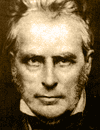
John Nelson Darby reflects on the profound sorrow and humility of Jesus, the 'Man of Sorrows,' who entered the world as a homeless child in a manger to share in our suffering and to bring us closer to God. He emphasizes the contrast between Christ's divine glory and His earthly trials, highlighting how Jesus faced rejection, scorn, and ultimate sacrifice for humanity's redemption. The sermon calls believers to recognize the depth of Christ's love and grace, which shines through His suffering and obedience, and to find solace in His presence amidst their own struggles. Darby encourages the congregation to worship the Savior who bore our burdens and to anticipate His return as the Deliverer. The message is a reminder of the hope and healing found in Christ's sorrowful journey.
Text
O EVER homeless Stranger, Thus, dearest Friend to me; An outcast in a manger, That Thou might'st with us be! How rightly rose the praises Of heaven that wondrous night, When shepherds hid their faces In brightest angel-light! More just those acclamations, Than when the glorious band Chanted earth's deep foundations, Just laid by God's right hand. Come now, and view that manger - The Lord of glory see, A houseless, homeless Stranger In this poor world for thee - To God, in the highest, glory, And peace on earth to find; And learn that wondrous story, Good pleasure in mankind.
How blessed those heavenly spirits, Who joy increasing find, That spite of our demerits God's pleasure's in mankind; And chant the highest glory Of Him they praise above, In telling out the story Of God come down in love! Oh, strange yet fit beginning Of all that life of woe, In which Thy grace was winning Poor man his God to know! Bless'd Babe! who lowly liest In manger-cradle there; Descended from the highest, Our sorrows all to share. Oh, suited now in nature For Love's divinest ways, To make the fallen creature The vessel of Thy praise!
O Love, all thought surpassing! That Thou should'st with us be, Nor yet in triumph passing, But human infancy! We cling to Thee in weakness - The manger and the cross; We gaze upon Thy meekness, Through suffering, pain, and loss; There see the Godhead glory Shine through that human veil, And, willing, hear the story Of Love that's come to heal. My soul in secret follows The footsteps of His love; I trace the Man of sorrows, His boundless grace to prove. A child in growth and stature, Yet full of wisdom rare; Sonship, in conscious nature, His words and ways declare.
Yet still in meek submission His patient path He trod, To wait His heavenly mission, Unknown to all but God. But who, Thy path of service, Thy steps removed from ill, Thy patient love to serve us, With human tongue can tell? Midst sin and all corruption, Where hatred did abound, Thy path of true perfection Was light on all around. In scorn, neglect, reviling, Thy patient grace stood fast; Man's malice unavailing To move Thy heart to haste. O'er all, Thy perfect goodness Rose blessedly divine; Poor hearts oppressed with sadness Found ever rest in Thine.
The strong man in his armour Thou mettest in Thy grace, Did'st spoil the mighty charmer Of our unhappy race. The chains of man, his victim, Were loosened by Thy hand; No evils that afflict him Before Thy power could stand. Disease, and death, and demon, All fled before Thy word, As darkness the dominion Of day's returning lord! The love that bore our burden On the accursed tree, Would give the heart its pardon, And set the sinner free! Love, that made Thee a mourner In this sad world of woe, Made wretched man a scorner Of grace - that brought Thee low.
Still in Thee love's sweet savour Shone forth in every deed, And showed God's loving favour To every soul in need. I pause: - for in Thy vision The day is hastening now, When for our lost condition Thy holy head shall bow; When, deep to deep still calling, The waters reach Thy soul, And - death and wrath appalling - Their waves shall o'er Thee roll. "For Him, death was death. Man's utter weakness, Satan's extreme power, and God's just vengeance - and alone, without one sympathy, forsaken of those whom He had cherished - the rest, His enemies - Messiah delivered to Gentiles and cast down, the judge washing his hands of condemning innocence, the priests interceding against the guiltless instead of for the guilty - all dark, without one ray of light even from God."
J.N.D. O day of mightiest sorrow, Day of unfathomed grief! When Thou should'st taste the horror Of wrath without relief. O day of man's dishonour! When, for Thy love supreme, He sought to mar Thine honour, Thy glory turn to shame. O day of our confusion! When Satan's darkness lay, In hatred and delusion, On ruined nature's way. Thou soughtest for compassion - Some heart Thy grief to know, To watch Thine hour of passion - For comforters in woe. No eye was found to pity, No heart to bear Thy woe; But shame, and scorn, and spitting - None cared Thy name to know.
The pride of careless greatness Could wash its hands of Thee; Priests, that should plead for weakness, Must Thine accusers be! Man's boasting love disowns Thee; Thine own Thy danger flee; A Judas only owns Thee That Thou may'st captive be. O man! How hast thou proved What in thy heart is found; By grace divine unmoved, By self in fetters bound. Yet with all grief acquainted, The Man of sorrows view, Unmoved - by ill untainted - The path of grace pursue. In death, obedience yielding To God His Father's will, Love still its power is wielding To meet all human ill.
On him who had disowned Thee Thine eye could look in love - 'Midst threats and taunts around Thee - To tears of grace to move. What words of love and mercy Flow from those lips of grace, For followers that desert Thee, For sinners in disgrace! The robber learned beside Thee, Upon the cross of shame - While taunts and jeers deride Thee - The savour of Thy name. Then, finished all, in meekness Thou to Thy Father's hand (Perfect Thy strength in weakness) Thy spirit dost commend.
O Lord! Thy wondrous story My inmost soul doth move; I ponder o'er Thy glory - Thy lonely path of love! But, O divine Sojourner 'Midst man's unfathomed ill, Love, that made Thee a mourner, It is not man's to tell! We worship, when we see Thee In all Thy sorrowing path; We long soon to be with Thee Who bore for us the wrath. Come then, expected Saviour; Thou Man of sorrows, come! Almighty, blest Deliverer! And take us to Thee - home.
Sermon Outline
- The Incarnation of Jesus Christ
- The Life of Jesus Christ
- The Death of Jesus Christ
- The Resurrection of Jesus Christ
- A triumph over death and sin
- A demonstration of God's loving favor and power
- A death that brought pardon and freedom to humanity
Key Quotes
“How blessed those heavenly spirits, who joy increasing find, that spite of our demerits God's pleasure's in mankind;” — John Nelson Darby
“The love that bore our burden on the accursed tree, would give the heart its pardon, and set the sinner free!” — John Nelson Darby
“For Him, death was death. Man's utter weakness, Satan's extreme power, and God's just vengeance - and alone, without one sympathy, forsaken of those whom He had cherished - the rest, His enemies - Messiah delivered to Gentiles and cast down, the judge washing his hands of condemning innocence, the priests interceding against the guiltless instead of for the guilty - all dark, without one ray of light even from God.” — John Nelson Darby
Application Points
- We can respond to Jesus' love and sacrifice by worshiping Him and seeking to follow in His footsteps of love and service.
- Jesus' death on the cross represents the ultimate sacrifice of love and mercy, where He took upon Himself the punishment for humanity's sins.
- We can find hope and forgiveness for our sins through Jesus' resurrection and the promise of eternal life.