
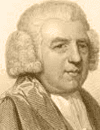
Doubts and Fears--the Source of Assurance
John Newton encourages believers to look to Jesus and trust in His atonement and promises, rather than relying on personal qualifications or seeking evidence from within.
John Newton encourages believers who struggle with doubt and fear, reminding them of the comfort and care that the Lord provides through His ministers. He emphasizes the importance of looking to Jesus for hope and salvation, rather than trying to find it within themselves. Newton urges individuals to trust in the infinite value of Jesus' sacrifice and promises, reassuring them that God's grace is freely given to those who believe. He advises against relying on personal qualifications for salvation, highlighting the need to fully depend on Christ's atonement and grace.
Text
Though I have the pleasure of hearing of you, and sending a remembrance from time to time, I am willing, by this opportunity, to direct a few lines to you, as a more express testimony of my sincere regard.
I think your experience is generally of the fearful doubting cast. Such souls, however, the Lord has given particular charge to his ministers to comfort. He knows our infirmities and what temptations mean, and as a good Shepherd He expresses a peculiar care and tenderness for the weak of the flock (Isa. xl. 1). But how must I attempt your comfort? Surely not by strengthening a mistake to which we are all too liable, by leading you to look into your own heart for (what you will never find there) something in yourself whereon to ground your hopes, if not wholly, yet at least in part. Rather let me endeavour to lead you out of yourself; let me invite you to look unto Jesus. Should we look for light in our own eyes, or in the sun? Is it indwelling sin distresses you? Then I can tell you (though you know it) that Jesus died for sin and sinners. I can tell you that His blood and righteousness are of infinite value; that His arm is almighty and His compassions infinite; yea, you yourself read His promises every day, and why should you doubt their being fulfilled? If you say you do not question their truth, or that they are accomplished to many, but that you can hardly believe they belong to you, I would ask, what evidence you would require? A voice or an angel from Heaven you do not expect.
Consider, if many of the promises are not expressly directed to those to whom they belong. When you read your name on the superscription of this letter you make no scruple to open it: why, then, do you hesitate at embracing the promises of the Gospel, where you read that they are addressed to those who mourn, who hunger and thirst after righteousness, who are poor in spirit, &c., and cannot but be sensible that a gracious God has begun to work these dispositions in your heart?
If you say that though you do at times mourn, hunger, &c. you are afraid you do it not enough, or not aright, consider that this sort of reasoning is very far from the spirit and language of the Gospel; for it is grounded on a secret supposition, that in the forgiveness of sin God has a respect to something more than the atonement and mediation of Jesus; namely, to some previous good qualifications in a sinner's heart, which are to share with the blood of Christ in the honour of salvation. The enemy deceives us in this matter the more easily, because a propensity to the covenant of works is a part of our natural depravity. Depend upon it you will never have a suitable and sufficient sense of the evil of sin, and of your share in it, so long as you have any sin remaining in you.
We must see Jesus as He is before our apprehension of any spiritual truth will be complete. But if we know that we must perish without Christ, and that He is able to save to the uttermost, we know enough to warrant us to cast our souls upon Him, and we dishonour Him by fearing that when we do so He will disappoint our hope. But if you are still perplexed about the high points of election, &c., I would advise you to leave the disposal of others to the great Judge; and as to yourself, I think I need not say much to persuade you, that if ever you are saved at all, it must be in a way of free and absolute grace.
Leave disputes to others; wait upon the Lord, and He will teach you all things in such degree and time as He sees best. Perhaps you have suffered for taking things too much upon trust from men. Cease from man, whose breath is in his nostrils. One is your master, even Christ. Study and pray over the Bible; and you may take it as a sure rule, that whatever sentiment makes any part of the Word of God unwelcome to you is justly to be suspected. Aim at a cheerful spirit. The more you trust God, the better you will serve Him. While you indulge unbelief and suspicion, you weaken your own hands, and discourage others. Be thankful for what He has shown you, and wait upon Him for more: you shall find He has not said, "Seek ye My face" in vain. I heartily commend you to His grace and care,
And am, &c.
Sermon Outline
- I. The Nature of Doubts and Fears
- A. The tendency to look within for assurance
- B. The danger of relying on personal qualifications
- C. The need to look to Jesus for comfort
- II. The Sufficiency of Christ's Atonement
- A. The value of Christ's blood and righteousness
- B. The almighty arm of Christ
- C. The infinite compassions of Christ
- III. The Importance of Faith
- A. The need to trust God's promises
- B. The danger of unbelief and suspicion
- C. The importance of a cheerful spirit
- IV. The Call to Wait Upon the Lord
- A. The need to leave disputes to others
- B. The importance of studying and praying over the Bible
- C. The call to trust God and serve Him
Key Quotes
“Should we look for light in our own eyes, or in the sun?” — John Newton
“If you say you do not question their truth, or that they are accomplished to many, but that you can hardly believe they belong to you, I would ask, what evidence you would require?” — John Newton
“Aim at a cheerful spirit. The more you trust God, the better you will serve Him.” — John Newton
Application Points
- Look to Jesus and trust in His atonement and promises for assurance.
- Trust in God's character and promises, rather than seeking evidence from within.
- Cultivate a cheerful spirit by trusting in God's sufficiency and goodness.