
Go and Learn
Jesus teaches that God prefers acts of mercy over sacrifice and calls us to go out into the world to look for opportunities to be merciful.
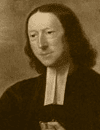
John Wesley emphasizes Jesus' call to show mercy over sacrifice, highlighting that true religion is rooted in love and compassion. He explains that Jesus' interactions with sinners and outcasts demonstrate God's desire for mercy, urging believers to prioritize acts of kindness in their lives. Wesley encourages the congregation to 'go and learn' what it means to be merciful, suggesting that understanding and practicing mercy can transform both individuals and communities. He reminds us that God has shown us mercy, and we are called to extend that mercy to others, especially those marginalized by society.
Text
On hearing this, Jesus said, "It is not the healthy who need a doctor, but the sick. But go and learn what this means: 'I desire mercy, not sacrifice.' For I have not come to call the righteous, but sinners." Matthew 9:12&13 This is one of two occasions in Matthew's Gospel where Jesus quotes this verse from Hoseah: "I desire mercy, not sacrifice." On this occasion it is in response to the Pharisees objection that Jesus is having a meal with tax collectors and sinners. The other occasion that He quotes this verse is when the Pharisees object to Him doing what they consider unlawful on the Sabbath.
Some might say that Jesus took delight in shocking the Pharisees (and us), but that is nowhere near the truth. The truth is that Jesus took delight in showing mercy and would love us to do the same. If He could show mercy He did, if we can show mercy we should. Wesley suggests that Jesus is saying here that when personal acts of mercy and personal acts of sacrifice interfere with each other, Jesus always prefers acts of mercy. He goes on: "yea, before all ceremonial institutions whatever; because these being only means of religion, are suspended of course, if circumstances occur, wherein they clash with love, which is the end of it."
In other words, love is one of the main reasons for religion, and sometimes one of the best ways to show love is to show mercy. It would seem that God prefers acts of mercy even more than sacrifice itself. Hidden in the verse before us today is a command for us to consider: "Go and learn what this means." In fact perhaps there are two commands, going and learning. The learning part includes understanding and believing that God requires us to be merciful and rejoicing in the fact that He has shown us mercy.
The going part involves going out into the world, which might be the home, the school, the workplace, the shopping centre and looking for opportunities to be merciful. The going part might also mean picking up the daily newspaper or watching the news and considering how showing mercy today might change the news tomorrow. The going part really means taking what we have learnt and going out and putting it into practice. Go and learn. Let us rejoice in the God who has shown us mercy Outcasts of men, to you I call, Harlots, and publicans, and thieves! He spreads his arms t'embrace you all Sinners alone his grace receives: No need of him the righteous have; He came the lost to seek and save. (29)
Sermon Outline
- I. Jesus' Teaching on Mercy and Sacrifice
- A. Jesus quotes Hosea: 'I desire mercy, not sacrifice'
- B. Jesus' preference for mercy over sacrifice
- C. The importance of love in religion
- II. The Command to Go and Learn
- A. Understanding and believing God's requirement for mercy
- B. Going out into the world to look for opportunities to be merciful
- C. Putting learned knowledge into practice
- III. The Joy of Receiving Mercy
- A. Rejoicing in God's mercy
- B. The call to sinners to receive God's grace
Key Quotes
“I desire mercy, not sacrifice.” — John Wesley
“Go and learn what this means.” — John Wesley
“Let us rejoice in the God who has shown us mercy” — John Wesley
Application Points
- We should prioritize acts of mercy over personal sacrifices when they conflict with each other.
- We should go out into the world to look for opportunities to be merciful and put learned knowledge into practice.
- We should rejoice in the God who has shown us mercy and call out to those who are lost to receive His grace.