
And God the Father, Who Raised Him From the Dead.
Paul emphasizes the importance of God the Father in his apostleship, highlighting the authority and power behind the message of Christ's resurrection.
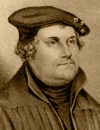
Martin Luther emphasizes the righteousness of faith in contrast to the righteousness of works, highlighting the significance of Christ's resurrection by God the Father as the foundation of our victory over sin, death, and all evil. He addresses the opposition faced from those who distort the righteousness of Christ and emphasizes that through Christ's resurrection, we have been granted His victory over all enemies. Luther's focus on the resurrection of Christ underscores the assurance of our righteousness and victory through Him.
Text
Paul is so eager to come to the subject matter of his epistle, the righteousness of faith in opposition to the righteousness of works, that already in the title he must speak his mind. He did not think it quite enough to say that he was an apostle "by Jesus Christ"; he adds, "and God the Father, who raised him from the dead."
The clause seems superfluous on first sight. Yet Paul had a good reason for adding it. He had to deal with Satan and his agents who endeavored to deprive him of the righteousness of Christ, who was raised by God the Father from the dead. These perverters of the righteousness of Christ resist the Father and the Son, and the works of them both.
In this whole epistle Paul treats of the resurrection of Christ. By His resurrection Christ won the victory over law, sin, flesh, world, devil, death, hell, and every evil. And 12this His victory He donated unto us. These many tyrants and enemies of ours may accuse and frighten us, but they dare not condemn us, for Christ, whom God the Father has raised from the dead is our righteousness and our victory.
Do you notice how well suited to his purpose Paul writes? He does not say, "By God who made heaven and earth, who is Lord of the angels," but Paul has in mind the righteousness of Christ, and speaks to the point, saying, "I am an apostle, not of men, neither by man, but by Jesus Christ, and God the Father, who raised him from the dead."
Sermon Outline
- Paul's Introduction
- Paul's eagerness to discuss the righteousness of faith
- The importance of God the Father in Paul's apostleship
Key Quotes
“These many tyrants and enemies of ours may accuse and frighten us, but they dare not condemn us, for Christ, whom God the Father has raised from the dead is our righteousness and our victory.” — Martin Luther
Application Points
- We can stand firm against Satan's accusations because Christ's resurrection has won the victory over every evil.
- Our righteousness and victory come from Christ, whom God the Father has raised from the dead.
- We must focus on the righteousness of faith, not the righteousness of works, to truly understand our relationship with God.