
Love and Justice
God's love and justice are perfectly displayed in condemning sin in His Son, Jesus Christ, to save us from our sins.
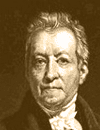
Robert Haldane delves into the profound concept of God's righteousness being fulfilled in believers who walk in the Spirit, contrasting the condemnation of Jesus by the Father to save His enemies with the incomprehensible wisdom, goodness, and mercies of God. The sermon explores the unfathomable love that led Jesus to humble Himself and take on the sins of humanity, a display that even angels marvel at. Additionally, it highlights the justice of God in condemning sin in His Son, surpassing the act of creation by punishing sins to the utmost in Jesus Christ.
Text
"That the righteousness of the law might be fulfilled in us, who walk not after the flesh, but after the Spirit" (Rom. 8:4).
In all this we see the Father assuming the place of judge against His Son, in order to become the Father of those who were His enemies. The Father condemns the Son of His love, that He may absolve the children of wrath. If we inquire into the cause that moved God to save us by such means, what can we say but that it proceeded from His incomprehensible wisdom, His ineffable goodness, and the unfathomable depth of His mercies? For what was there in man that could induce the Creator to act in this manner, since He saw nothing in him, after his rebellion by sin, but what was hateful and offensive? And what was it but His love that passeth knowledge which induced the only-begotten Son of God to take the form of a servant, to humble Himself even to the death of the cross, and to submit to be despised and rejected of men? These are the things into which the angels desire to look.
But besides the love of God, we see the wonderful display of His justice in condemning sin in His Son, rather than allowing it to go unpunished. In this assuredly the work of redemption surpasses that of creation. In creation God had made nothing that was not good, and nothing especially on which He could exercise the rigour of His justice; but here He punishes our sins to the utmost in Jesus Christ. It may be inquired if, when God condemned sin in His Son, we are to understand this of God the Father, so as to exclude the Son; or if we can say that God the Son also condemned sin in Himself. This can undoubtedly be affirmed; for in the Father and the Son there is only one will and one regard for justice; so that, as it was the will of the Father to require satisfaction for sin from the Son, it was also the will of the Son to humble Himself, and to condemn sin in Himself. We must, however, distinguish between Jesus Christ considered as God, and as our Surety and Mediator. As God, He condemns and punishes sin; as Mediator, He is Himself condemned and punished for sin.
Sermon Outline
- I. The Father's assumption of the place of judge against His Son
- A. To become the Father of those who were His enemies
- B. To condemn the Son of His love, that He may absolve the children of wrath
- II. The cause of God's action
- A. Proceeded from His incomprehensible wisdom, His ineffable goodness, and the unfathomable depth of His mercies
- III. The display of God's love and justice
- A. Love that passeth knowledge, which induced the Son to take the form of a servant and submit to death
- B. Justice in condemning sin in His Son, rather than allowing it to go unpunished
Key Quotes
“That the righteousness of the law might be fulfilled in us, who walk not after the flesh, but after the Spirit (Rom. 8:4).” — Robert Haldane
“If we inquire into the cause that moved God to save us by such means, what can we say but that it proceeded from His incomprehensible wisdom, His ineffable goodness, and the unfathomable depth of His mercies?” — Robert Haldane
“These are the things into which the angels desire to look.” — Robert Haldane
Application Points
- We should recognize the depth of God's love and justice in condemning sin in His Son.
- We should understand the distinction between Jesus Christ as God and as our Surety and Mediator.
- We should be grateful for God's incomprehensible wisdom, goodness, and mercies that motivated Him to save us.