
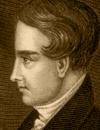
Jehovah Tsidekenu
Robert Murray M'Cheyne emphasizes the transformative power of recognizing Jesus as our righteousness and the assurance it brings to believers.
Robert Murray M'Cheyne emphasizes the profound significance of the name 'Jehovah Tsidkenu,' meaning 'The Lord Our Righteousness.' He reflects on his past ignorance of grace and the weight of sin, illustrating how the realization of Christ's sacrifice transformed his understanding and provided him with refuge and safety. M'Cheyne expresses that through faith in Jehovah Tsidkenu, he finds strength, hope, and assurance, even in the face of death. The sermon serves as a reminder of the importance of recognizing Christ as our righteousness and the source of our salvation.
Text
"THE LORD OUR RIGHTEOUSNESS"
(The watchword of the Reformers.)
I once was a stranger to grace and to God,
I knew not my danger, and felt not my load;
Though friends spoke in rapture of Christ on the tree,
Jehovah Tsidkenu was nothing to me.
I oft read with pleasure, to sooth or engage,
Isaiah's wild measure and John's simple page;
But e'en when they pictured the blood-sprinkled tree
Jehovah Tsidkenu seem'd nothing to me.
Like tears from the daughters of Zion that roll,
I wept when the waters went over His soul;
Yet thought not that my sins had nail'd to the tree
Jehovah Tsidkenu - 'twas nothing to me.
When free grace awoke me, by light from on high,
Then legal fears shook me, I trembled to die;
No refuge, no safety in self could I see, -
Jehovah Tsidkenu my Saviour must be.
My terrors all vanished before the sweet name;
My guilty fears banished, with boldness I came
To drink at the fountain, life-giving and free, -
Jehovah Tsidkenu is all things to me.
Jehovah Tsidkenu! my treasure and boast,
Jehovah Tsidkenu! I ne'er can be lost;
In thee I shall conquer by flood and by field,
My cable, my anchor, my breast-plate and shield!
Even treading the valley, the shadow of death,
This "watchword" shall rally my faltering breath;
For while from life's fever my God sets me free,
Jehovah Tsidkenu, my death song shall be.
November 18, 1884.
Sermon Outline
- I points: - Introduction to Jehovah Tsidkenu - The significance of righteousness in the believer's life
- II points: - Personal testimony of understanding grace - The awakening to the reality of sin
- III points: - The role of Jesus as our righteousness - Freedom from guilt and fear through Christ
- IV points: - The assurance of salvation - Living boldly in faith
- V points: - Facing death with confidence - The eternal hope in Jehovah Tsidkenu
Key Quotes
“Jehovah Tsidkenu is all things to me.” — Robert Murray M'Cheyne
“My guilty fears banished, with boldness I came.” — Robert Murray M'Cheyne
“For while from life's fever my God sets me free, Jehovah Tsidkenu, my death song shall be.” — Robert Murray M'Cheyne
Application Points
- Recognize your need for a Savior and embrace the grace offered through Jesus.
- Live boldly in your faith, knowing that Jehovah Tsidkenu provides strength and assurance.
- Face life's challenges and even death with the confidence that comes from trusting in God's righteousness.