
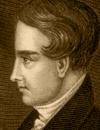
The Barren Fig Tree
The sermon teaches that we must produce fruit for God, and that faith without works is dead.
Robert Murray M'Cheyne delivers a poignant message about the barren fig tree, symbolizing the spiritual state of individuals who appear outwardly flourishing but lack true fruitfulness in their lives. He reflects on the patience of the master who seeks fruit for three years, paralleling God's desire for genuine faith and obedience from His followers. M'Cheyne urges listeners to examine their own hearts, recognizing that mere appearances of faith are insufficient without the evidence of good works and love. He emphasizes that true faith is demonstrated through actions that reflect Christ's teachings, calling for a deeper commitment to spiritual growth and fruitfulness.
Text
Within a vineyard's sunny bound
An ample fig tree shelter found,
Enjoying sun and showers -
The boughs were graceful to the view,
With spreading leaves of deep-green hue,
And gaily blushing flowers.
When round the vintage season came,
The blooming fig was still the same,
As promising and fair;
But though the leaves were broad and green,
No precious fruit was to be seen,
Because no fruit was there.
"For three long years," the master cried,
"Fruit on this tree to find I've tried,
But all in vain my toil;
Ungrateful tree! the axe's blow
Shall lay thy leafy honours low;
Why cumbers it the soil?"
"Ah! let it stand just one year more,"
The dresser said, "till all my store
Of rural arts I've shown;
About the massy roots I'll dig,
And if it bear, we've gained the fig -
If not, then cut it down."
How many years hast thou, my heart,
Acted the barren fig tree's part,
Leafy, and fresh, and fair,
Enjoying heavenly dews of grace,
And sunny smiles from God's own face -
But where the fruit? ah! where?
How often must the Lord have prayed
That still my day might be delayed,
Till all due means were tried;
Afflictions, mercies, health, and pain,
How long shall these be all in vain
To teach this heart of pride?
Learn, O my soul, what God demands
Is not a faith like barren sands,
But fruit of heavenly hue;
By this we prove that Christ we know,
If in His holy steps we go -
Faith works by love, if true.
August 14, 1834.
Sermon Outline
- The Barren Fig Tree
- The Master's Judgment
- The Dresser's Plea
- The Application to Our Lives
- The Fig Tree's Appearance
- The Fig Tree's Failure to Bear Fruit
- The Axe's Blow
- The Fig Tree's Removal
- One More Year
- The Dresser's Promise
- The Barrenness of Our Hearts
- The Need for Fruitful Faith
Key Quotes
“Learn, O my soul, what God demands Is not a faith like barren sands, But fruit of heavenly hue;” — Robert Murray M'Cheyne
“How many years hast thou, my heart, Acted the barren fig tree's part, Leafy, and fresh, and fair,” — Robert Murray M'Cheyne
Application Points
- We must examine our hearts to see if we have been acting like the barren fig tree, producing no fruit for God.
- We must strive to produce fruit of heavenly hue, characterized by love, kindness, and other virtues.
- We must not be content with just having faith, but must also demonstrate it through our actions.