
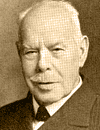
The Cry of the Spirit
Smith Wigglesworth's sermon emphasizes the profound impact of John the Baptist's cry for repentance and the necessity of being alone with God to fulfill one's divine purpose.
Smith Wigglesworth emphasizes the profound impact of John the Baptist's ministry, highlighting how his humble beginnings and the 'cry of the Spirit' resonated deeply with the people. Despite his austere lifestyle, John's message of repentance and preparation for the Messiah stirred the hearts of many, leading them to confess their sins and seek baptism. Wigglesworth illustrates that John's extraordinary calling was rooted in his intimate relationship with God, which empowered him to bear the burden of the people's sins. The sermon calls for believers to embrace their own 'cry' and allow the Holy Spirit to work through them to reach others. Ultimately, it is a reminder that even in solitude, one can find purpose and be a vessel for God's message.
Text
Behold the Lamb of God!
--John 1:36
Scripture reading: John 1:6-36
John the Baptist's clothing was camel's hair, his belt leather, his food locusts and wild honey (Matt. 3:4). No angels, shepherds, wise men, or stars heralded John's birth. But the heavenly messenger Gabriel, who had spoken to Daniel and Mary, also spoke to John's father, Zacharias.
In the wilderness, John was without the food and clothing of his earthly father's priestly home. He had only a groan, a cry--the cry of the Spirit. Yet from John's place in the wilderness, he moved the whole land. God cried through him. It was the cry of the Spirit--oh, that awful cry. All the land was moved by that piercing cry.
God spoke to John and told him about a new thing--water baptism. It was clean cut; it was a new way. He had been with those of the circumcision; now he was an outcast. It was the breaking down of the old plan.
The people heard his cry--oh, that cry, the awful cry of the Spirit--and the message that he gave: " 'Repent, for the kingdom of heaven is at hand!' (v. 2). Make straight paths--no treading down of others or exacting undue rights. 'Make straight paths for your feet' (Heb. 12:13)." All were startled! All were awakened! They thought the Messiah had come. The searching was tremendous! Is this He? Who can it be? John said, "I am a voice, crying, crying, making a way for the Messiah to come" (John 1:23).
Individuals were purged; they found purpose. God pressed life through John. Through him, God moved multitudes and changed the situation. The banks of the Jordan were covered with people. The conviction was tremendous. They cried out. The prophet Isaiah had predicted, "The rough ways [will be made] smooth; and all flesh shall see the salvation of God" (Luke 3:5-6). The people, the multitude, cried out and were baptized by John in the Jordan, confessing their sins.
Oh, to be alone with God. God's Word came to John when he was alone: "The word of God came to John the son of Zacharias in the wilderness. And he went into all the region around the Jordan, preaching a baptism of repentance for the remission of sins" (Luke 3:2-3).
Alone! Alone!
Jesus bore it all alone!
He gave Himself to save His own.
He suffered--bled and died alone--alone.
Oh, to be alone with God, to get His mind, His thoughts, and His impression and revelation of the need of the people.
There was nothing ordinary about John--all was extraordinary. Herod was reproved by him because of Herodias, his brother Philip's wife, and for all the evils that Herod had done. Herodias's daughter danced before Herod, who promised her up to half his kingdom. She asked for John the Baptist's head. (See Matthew 14:3-11.)
This holy man was alone. God had John in such a way that he could express that cry--the burden for the whole land. He could cry for the sins of the people. God is holy. We are the children of Abraham--the children of faith. Awful judgment is coming. Cry! Cry!
John could not help but cry because of the people's sin. John had been filled with the Holy Spirit from his mother's womb (Luke 1:15). He had the burden. He was stern, but through his work, the land was open to Jesus. Jesus walked in the way; He came a new way.
"John came neither eating nor drinking" (Matt. 11:18)--John came crying. John's father and mother were left behind. His heart bled at the altar. He bore the burden, the cry, the need of the people. The only place he could breathe and be free was in the wilderness--the atmosphere of heaven--until he turned with a message to declare the preparation needed. Before Jesus came, repentance came to open up the place of redemption.
Like John, there must be a working of the Spirit in you; then God will work through you for others.
Thought for today: God is with a person who has only a cry.
Sermon Outline
- I points: - Introduction to John the Baptist - The significance of his message - The cry of the Spirit
- II points: - The call to repentance - Preparation for the Messiah - The response of the people
- III points: - John's unique lifestyle and mission - The burden of sin and judgment - The role of the Holy Spirit in John's life
- IV points: - The importance of being alone with God - Hearing God's voice in solitude - The extraordinary nature of John's ministry
- V points: - The impact of John's cry on the people - The necessity of repentance before redemption - God working through those who cry out
Key Quotes
“Oh, that awful cry. All the land was moved by that piercing cry.” — Smith Wigglesworth
“The rough ways [will be made] smooth; and all flesh shall see the salvation of God.” — Smith Wigglesworth
“God is with a person who has only a cry.” — Smith Wigglesworth
Application Points
- Seek solitude to hear God's voice and understand His will for your life.
- Embrace the burden for the lost and be a voice calling others to repentance.
- Recognize the importance of the Holy Spirit's work in your life to impact those around you.