
Dealing With Your Past
The sermon emphasizes the importance of dealing with the past through confession, forgiveness, and forgetting, in order to live a victorious life in the present and future.
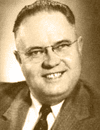
Theodore Epp emphasizes the necessity of dealing with our past through confession, highlighting that only by confessing our sins can we experience God's forgiveness and cleansing. He explains that unresolved past issues can hinder our present and future, becoming burdens that prevent us from honoring Christ in our daily lives. Epp reassures believers that God wipes away transgressions and chooses to remember our sins no more, urging us to let go of failures, successes, losses, grievances, and sorrows to move forward in faith. The sermon encourages a proactive approach to spiritual health by addressing and correcting past mistakes.
Text
Philippians 3:12-14; 1 Timothy 1:12-17
We can do nothing about the past except make necessary confession. And when confession is made, the Bible promises: "If we confess our sins, he is faithful and just to forgive us our sins, and to cleanse us from all unrighteousness" (1 John 1:9).
By confession, sin is placed under the cleansing blood of the Lord Jesus Christ, and when it is under the blood, it does not condemn any longer.
Unless the past is dealt with, one is not prepared to live in the present nor to go on into the future. Unless the past is dealt with, it becomes a haunting memory that saps the strength of the believer so he is unable to honor Christ in his daily life.
What God does with sin when it is confessed is explained in various passages. Isaiah 44:22 says, "I have wiped out your transgressions like a thick cloud, and your sins like a heavy mist. Return to Me, for I have redeemed you" (NASB).
Hebrews 8:12 says, "FOR I WILL BE MERCIFUL TO THEIR INIQUITIES, AND I WILL REMEMBER THEIR SINS NO MORE" (NASB).
Someone has said, "The present must forget the past by correction, or else the past will become a moral and spiritual liability for the future."
Consider some items that need to be forgotten: failures--they keep our faith from advancing; successes--they create pride (see Prov. 16:18); losses--they drag us down so we cannot serve the Lord the way we should; grievances--they produce false attitudes (see 1 Cor. 13:6); sorrows--God can heal all heartaches; discouragements--we need to remember Christ, not disappointments, thwarted hopes and plans.
"And their sins and iniquities will I remember no more" (Heb. 10:17).
Sermon Outline
- The Importance of Dealing with the Past
- The Consequences of Unresolved Sin
- What God Does with Confessed Sin
- He wipes out transgressions and remembers sins no more
- He is merciful to iniquities and remembers sins no more
Key Quotes
“The present must forget the past by correction, or else the past will become a moral and spiritual liability for the future.” — Theodore Epp
“I have wiped out your transgressions like a thick cloud, and your sins like a heavy mist. Return to Me, for I have redeemed you” — Theodore Epp
“And their sins and iniquities will I remember no more” — Theodore Epp
Application Points
- We must confess our sins in order to experience forgiveness and cleansing.
- We should forget our past failures, successes, losses, grievances, sorrows, and discouragements in order to move forward.
- God is merciful and forgiving, and He remembers our sins no more when we confess them.