
It Just Does Not Belong!
As a Christian, living under sin's dominion without evidence of righteousness demonstrates a lack of being born again.
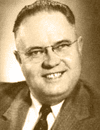
Theodore Epp emphasizes that living under the dominion of sin without evidence of righteousness indicates a lack of being born again. He explains that sin is contrary to God's law and the mission of Jesus, who came to break sin's power over believers. Epp clarifies that while Christians may sin, they are called to confess and receive forgiveness, maintaining their righteousness through Christ. He warns against the misconception that one can reach a point of sinlessness, highlighting that a continual practice of sin reveals one's true spiritual lineage as a child of the Devil. Ultimately, Epp calls believers to recognize their identity in Christ and to live in obedience to righteousness.
Text
1 John 3:1-10
To live under the dominion of sin without any evidence of righteousness demonstrates that the person has not been born again. The reasons for this are clearly pointed out in some of these verses. First John 3:4, for example, says that sin is contrary to the law of God. Verse 5 says that sin is contrary to the mission, or the work, of the Lord Jesus Christ. Christ not only came to take away the guilt of sin, but He broke sin's power so that the believer need not live under its dominion. When we do commit an act of sin and then confess it, God is faithful and just to forgive our sins, and our Advocate with the Father maintains our standing of righteousness before Him.
Some have used these verses to teach that a person reaches a certain place in his Christian life after which he no longer commits any sin. These verses do not give any license to sin, but they contrast the state, or behavior, of the children of God with the state, or behavior, of the children of the world.
A continual practice of sin in the life shows that the person is a child of the Devil rather than a child of God. "The devil sinneth from the beginning" (v. 8), and his children continue to live in sin, for that is in keeping with the character of their heredity.
"Know ye not, that to whom ye yield yourselves servants to obey, his servants ye are to whom ye obey; whether of sin unto death, or of obedience unto righteousness?" (Rom. 6:16).
Sermon Outline
- The State of Sin
- The Nature of Sin
- The Consequences of Sin
- A child of the Devil rather than a child of God
- Servants to sin or righteousness
Key Quotes
“The devil sinneth from the beginning” — Theodore Epp
“Know ye not, that to whom ye yield yourselves servants to obey, his servants ye are to whom ye obey;” — Theodore Epp
Application Points
- Recognize the contrast between the behavior of children of God and children of the world.
- Understand the consequences of serving sin, which leads to death.
- Make a conscious choice to serve righteousness and obey God's law.