
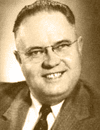
Not Words but Works
True faith is evidenced by a change of behavior and demonstrated through works, not just intellectual assent.
Theodore Epp emphasizes that faith must be accompanied by action, as outlined in James 2:14-26. He argues that mere intellectual belief in God is insufficient; true faith is demonstrated through works that reflect a personal relationship with Jesus Christ. Epp highlights that James warns against a faith that only speaks without acting, stressing that genuine faith results in a transformed life and behavior. The sermon underscores the importance of being justified before others through visible acts of faith, as faith without works is deemed dead. Ultimately, Epp calls for believers to live out their faith actively, aligning their actions with their professed beliefs.
Text
James 2:14-26
A cold, austere, intellectual faith that does not manifest itself by action is nothing more than a mental assent to the existence of God. James taught that this kind of faith is really no faith at all--it is a dead faith. It is not enough just to believe that God exists or even to believe that He died on the cross for the sins of the world. An individual must realize he will be eternally condemned apart from what Jesus Christ did for him personally on the cross, and he must place his faith in Jesus Christ as his personal Saviour. Such a person who recognizes all that Jesus Christ has delivered him from will have an active, vibrant faith, evidenced by a change of behavior.
James was particularly concerned with the display of works before one's fellowman in order to be justified before others. The works proved that the act of salvation really had taken place. The context of James 2 indicates that James was talking about being justified before men.
James was concerned about looking beyond a person's words to see whether or not his life supported what he said. In James 2:14 James did not say that the person had faith but that the person only said he had faith. James was really asking, "What use is the kind of faith that only talks and does not act?" This is the same question raised in verse 16 where the person who claims to have faith does not demonstrate it by doing something for the needy. And James made the point in verse 20 that faith without works is useless, it "is dead."
"Not every one that saith unto me, Lord, Lord, shall enter into the kingdom of heaven; but he that doeth the will of my Father which is in heaven" (Matt. 7:21).
Sermon Outline
- The Nature of Faith
- The Importance of Works
- Looking Beyond Words
- The Consequences of False Faith
- Those who only talk and do not act will not enter the kingdom of heaven
- Faith without works is useless
Key Quotes
“A cold, austere, intellectual faith that does not manifest itself by action is nothing more than a mental assent to the existence of God.” — Theodore Epp
“Not every one that saith unto me, Lord, Lord, shall enter into the kingdom of heaven; but he that doeth the will of my Father which is in heaven.” — Theodore Epp
Application Points
- We must recognize that our faith is not just intellectual, but must be evidenced by a change of behavior.
- Our works must demonstrate our faith and prove that the act of salvation has been real.
- We must look beyond what people say and see if their life supports what they say.