
Are We Playing by the Book?
The church must repent and undergo a holy and Spirit-led revival before it can effectively share the Gospel and produce true converts.
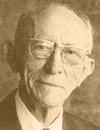
Vance Havner emphasizes the necessity of repentance within the Church before it can effectively evangelize, likening the situation to boys trying to play ball without a ball. He critiques the Pharisees for their institutionalized religion that produced a dead faith, warning that without genuine repentance, the Church risks creating more unsaved members rather than true converts. Havner calls for a revival that challenges complacent pastors and church members, urging them to break free from the status quo and embrace a deeper, more authentic faith. He highlights the importance of collaboration between pastors and prophets in fostering genuine spiritual growth and revival. Ultimately, he stresses that true revival will expose the superficiality of current practices and lead to a return to the holiness of God.
Text
When a group of small boys, out to play ball, arrived at the play ground, they discovered that no one had brought a ball. "Forget the ball," said one impatiently. "Let's get on with the game." We are trying to play without the ball when the Church tries to evangelize before she has repented. The Church can do many things after she has repented but nothing until first she repents...
The Pharisees had many good points. Our Lord said, in effect, "Do as they say." They read the Scriptures, prayed, went to God's house, tithed, and lived separated lives. They were anxious to preserve religion in Israel. Winning converts to the religion of Moses had been a good and right thing to do. But their religion had become institutionalized, and now they were propagating a dead faith, and every, new convert was a twofold child of hell, a lost heathen, and a lost proselyte. Generally, we are propagating today a degenerate brand of Christianity. Unless the church repents, and has a complete overhauling instead of a tune-up job, our evangelistic and missionary drives may add for the most part only a multitude of proselytes who are both unsaved pagans and unregenerated church members. Like produces like. Worldly churches produce more worldly church members. Churches weak or unsound in doctrine produce more of the same variety. Churches that operate in the energy of the flesh instead of by the Holy Spirit produce more of the same kind. We must improve the present quality of our churches, for converts tend to take on the qualities of the people who convert them...
If God ever visits us again in real revival, there will be many red faces as churchmen and religious leaders blush and hang their heads in shame for the silly and stupid ways in which we have tried to promote the work of God in the energy of the flesh by the help of the world. Drama will be unnecessary. We may not even need great preachers! Gospel jazz will slink away, and we shall be chagrined that we ever sank so low as to tolerate it. All this will vanish in the blinding light of the holiness of God, and no flesh will glory in His presence...
There is no greater hindrance to revival than a comfortable pastor settled and satisfied, coasting along until he reaches retirement, who does not want his flock disturbed or the status quo upset. He has long since lost his burden and concern for a mighty upheaval of God among the resters at ease in Zion. He resents any intrusion into the complacency of a sleeping church, and interprets the prophet's call to repentance as an indictment of his own preaching. He is determined not to get excited, assumes a philosophical tolerance of things as they are, and he may speak facetiously of the prophet's seriousness. Sometimes his own people may get under conviction, and put him to shame by a concern he does not seem to feel. This makes it exceedingly difficult for any revivalist calling Christians to repentance, but what a delight when pastor and prophet stand together! Most pastors understand that the traveling prophet can say things the pastor cannot say-that he fills a different role and follows an utterly different pattern. They complement each other. One plants, another waters, but God gives the increase. The teacher plants the seed, the pastor cultivates the crop, the evangelist gathers it, but the prophet must first break up the fallow ground. Breaking up the ground is never a pleasant, comfortable business, and churches sometimes resent the plow of plain preaching. Blessed is the pastor who knows this, and stands behind the lonely prophet who calls the church to repentance...
Sermon Outline
- The Church's Problem
- The Pharisees' Example
- The Consequences of a Weak Church
- The Need for Revival
- The Role of the Pastor and Prophet
- The prophet breaks up the fallow ground through plain preaching
- The pastor cultivates the crop and stands behind the prophet
- Flesh-driven churches produce flesh-driven members
Key Quotes
“We are trying to play without the ball when the Church tries to evangelize before she has repented.” — Vance Havner
“Like produces like. Worldly churches produce more worldly church members.” — Vance Havner
“Gospel jazz will slink away, and we shall be chagrined that we ever sank so low as to tolerate it.” — Vance Havner
Application Points
- We must repent and allow God to bring about a holy and Spirit-led revival in our churches.
- We must not try to evangelize without first repenting and cleansing ourselves of sin.
- We must support and stand behind prophets who call the church to repentance and revival.