
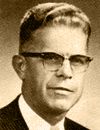
Commentary Notes - Haggai
The book of Haggai emphasizes the importance of obedience and the blessings that come from following God's word.
Walter Beuttler preaches on the Book of Haggai, highlighting the historical context of the rebuilding of the temple after the Babylonian captivity, the prophet Haggai's message of reconstruction, and the importance of heeding 'the word of the Lord' in times of discouragement and sin. The four addresses in Haggai provide exhortations to build the temple, emphasize the consequences of neglecting God's work, and predict the future magnificence of the millennial temple surpassing Solomon's. The people's response to God's exhortations, the priests' understanding of holiness, and the blessings of obedience are key themes in Haggai's messages.
Text
A. THE BOOK OF HAGGAI
1. Since the time when Zephania prophesied, startling events had happened. Israel and Judah had long ago been carried into captivity. A relatively small group of Jews had returned from Babylon by permission of Cyrus during the first year of his reign and soon began the rebuilding of the temple
2. Now, some sixteen years later, the work had ceased. Opposition from the Samaritans, their own lukewarmness, and the decree of Artaxerxes, the successor of Cyrus as the ruler of the Persian empire, brought the building operations to a halt
3. When Darius confirmed the decree of Cyrus and ordered the work on the temple resumed, the people had turned to their own interests and left the restoration of the temple to the future
4. The key phrase of the book is "The word of the Lord"
B. THE PROPHET HAGGAI
1. Haggai prophesied under Darius Ilystaspes who reigned over Persia from B. C. 521-468
2. He had one message to deliver which he did in plain, unvarnished language
3. He is the prophet of reconstruction
C. THE MESSAGE OF HAGGAI
1. The exemplification of Paul's teaching in I Cor. 15:58
2. The cure for discouragement - "the word of the Lord"
3. Sin exceeds holiness in contagion
THE FOUR ADDRESSES, 1:1-2:23
A. FIRST ADDRESS, 1:1-15
1. Give the general subject matter of the first address, 1:1-15: Exhortation to build the temple
2. Give the significance of the parentage of Zerubbabel and Joshua in 1:1: The former was from the house of David and the latter from the family of Aaron so that God preserved his own order even during the Babylonian captivity
3. Relative to the neglect of the people to build the temple, what do we learn from:
(1) 1:2? Their excuse was that the time had not yet come
(2) 1:4? The real reason was that they were more interested in their own luxurious dwellings
(3) 1:5-6? The result was that their labour had lacked the divine blessing
(4) 1:10-11? They had failed to pay heed to the word of the Lord (Deut. 28:23-24), now they are compelled to take heed to the consequences
4. How did the people react in 1:12-14 to God's exhortation in
1:8? They obeyed, feared, and worked
5. Comment on:
(1) 1:13 - God responds to the people's response and assures them of his presence and protection from their enemies
(2) 1:14 - God stimulated the people who had succumbed to fear and indifference
6. How long after Haggai began to prophesy did the people resume their work, 1:15? After twenty-three days
B. SECOND ADDRESS, 2:1-9
1. Whom does Haggai address in 2:3 and why? The old people who remembered Solomon's temple in order to contrast its superiority with the inferiority of the present structure
2. What does Haggai do in:
(1) 2:4-5? He encourages the people in their distress over the present temple for they were without means to equal the one of Solomon
(2) 2:6-9? He predicts that the millenial temple will exceed Solomon's temple in magnificence for God has all the means at his disposal
C. THIRD ADDRESS, 2:10-19
1. Give the essence of the priests' reply in:
(1) 2:12 - Whatever touched the hallowed flesh became itself holy, but could not communicate this holiness to anything else
(2) 2:13 - A polluted person communicated his pollution to all that he touched
2. How does Haggai apply these laws to the people?
(1) The holy flesh of their sacrifices could not affect theirlabours because they themselves were not holy
(2)ves were not holy, there could be no blessing on their labours because their unholiness defiled the works of their hands
3. What had the people evidently assumed, 1:14? That the sanctifying effect of the altar and its sacrifices would extend to all they did. But their sacrifices were unclean because they themselves were polluted through their disobedience
4. Wherein did the people fail in 2:17? In responding to the disciplinary judgment of God
5. Comment on 2:18-19: The blessings of obedience extend to material things also and in their case was made possible by a new beginning in God
D. FOURTH ADDRESS, 2:20-23
1. What is predicted in:
(1) 2:21-22? The overthrow of the Gentile powers
(2) 2:23? That Christ, the antitype and ultimate descendent of Zerubbabel, will become God's signet ("seal ring") of authority and government
Sermon Outline
- I points: - Introduction to Haggai - The Prophet Haggai - The Message of Haggai
- II points: - The First Address (1:1-15) - The Second Address (2:1-9) - The Third Address (2:10-19) - The Fourth Address (2:20-23)
- III points: - The Significance of the Temple - The Neglect of the People - The Response of the People - The Blessings of Obedience
Key Quotes
“Sin exceeds holiness in contagion.” — Walter Beuttler
“The cure for discouragement is 'the word of the Lord'.” — Walter Beuttler
“The holy flesh of their sacrifices could not affect their labours because they themselves were not holy.” — Walter Beuttler
Application Points
- We must prioritize our relationship with God and obey His word.
- Our own interests and desires can lead us away from God's will.
- God's blessings extend to all areas of our lives, including material things.