
Observing the Feast
The sermon emphasizes the importance of observing the Feast through holiness and separation from evil as a response to our salvation in Christ.
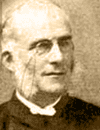
William Graham Scroggie emphasizes the significance of Christ as our Passover sacrifice, urging believers to observe the Feast with sincerity and truth, separating from malice and wickedness. The Feast is not for salvation but for fellowship, highlighting the importance of living a holy life and maintaining communion with God. Scroggie warns against laxity in doctrine and practice, stressing the need for believers to be vessels of the Lord, dealing with known evil in their hearts, homes, churches, and businesses to experience God's blessings and revival.
Text
"For even Christ our passover is sacrificed for us"
(1 Cor. 5:7).
How then is the Feast to be observed? "Not with old leaven, neither with the leaven of malice and wickedness, but with the unleavened bread of sincerity and truth." That is, by living a holy life, and by separation from all evil. For not keeping the Feast as ordained, we shall be held answerable to God. The observance of the Feast is not in order to obtain our salvation, but because we are saved, and if we do not keep the Feast our security is not affected but our fellowship is. Salvation is by our being under the Blood; communion is by our being unleavened. Here, then, is a message of the most urgent importance to the people of God. On every hand we see laxity, alike of doctrine and of practice, which is most alarming, an indifference to the claims of Christ and a widespread ignorance of the implicates of our Christian profession, and it is this that sufficiently explains our ineffectiveness in the service of Christ. We must be clean, for we are the vessels of the Lord. We must faithfully and fearlessly deal with all known evil, alike in our hearts, and homes, and churches, and businesses, and all our prayer f or revival will be worse than useless unless we come to grips with that which hinders God's pouring out His blessing upon us. But this once done, there is no good which He will withhold.
Sermon Outline
-
I
- Understanding the significance of the Feast
- The role of Christ as our Passover
- The importance of observing the Feast
-
II
- Living a holy life
- Separation from evil
- The consequences of neglecting the Feast
-
III
- The relationship between salvation and communion
- The call to holiness in the Christian life
- Addressing the laxity in doctrine and practice
-
IV
- The need for personal and communal purity
- The impact of known evil on our effectiveness
- The promise of God's blessings upon obedience
Key Quotes
“For even Christ our passover is sacrificed for us.” — William Graham Scroggie
“Not with old leaven, neither with the leaven of malice and wickedness, but with the unleavened bread of sincerity and truth.” — William Graham Scroggie
“Our prayer for revival will be worse than useless unless we come to grips with that which hinders God's pouring out His blessing upon us.” — William Graham Scroggie
Application Points
- Commit to living a holy life by addressing any known sin in your heart and actions.
- Encourage your community to engage in practices that promote purity and sincerity in faith.
- Pray for revival while actively seeking to remove barriers that hinder God's blessings.