
The Agony of Christ refers to the intense emotional and spiritual distress experienced by Jesus Christ in the Garden of Gethsemane prior to his crucifixion, as recorded in the Gospels (Matthew 26:36-46, Mark 14:32-42, Luke 22:39-46). This event is a pivotal moment in the biblical narrative, demonstrating Jesus' humanity and his willingness to submit to God's will, as expressed in his prayer "not my will, but yours be done" (Luke 22:42). The Agony of Christ is also deeply rooted in the biblical theme of suffering and redemption, as seen in Isaiah 53:3-5, which prophesies the Messiah's suffering on behalf of humanity. Through his agony, Jesus embodied the suffering servant motif, ultimately providing salvation and redemption for all people, as affirmed in Romans 5:8, which states that "God demonstrates his own love for us in this: While we were still sinners, Christ died for us."
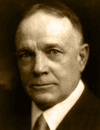
Billy Sunday preaches on the agony of Jesus in Gethsemane, emphasizing the depth of His suffering and the significance of His prayer as He faced the bitter cup of humanity's sin. He challenges the notion that such physical manifestations of distress are impossible, using examples from history to ill

Erlo Stegen emphasizes the profound agony Jesus experienced in the Garden of Gethsemane, not merely due to the fear of death, but because He bore the weight of humanity's sin. He illustrates that the cup Jesus drank symbolized His pledge to us as the Heavenly Bridegroom, identifying with our unfaith

In this sermon, the speaker emphasizes the importance of prayer leading to action. He highlights the need for conviction to be carried into life and for decisions to be made based on those convictions. The speaker shares a powerful testimony of a church experiencing a deep visitation from God, resul

Merle Weaver emphasizes the historical significance of revivals and the outpouring of the Holy Spirit among God's people, sharing insights from various revival movements throughout history. He highlights the importance of prayer as a common denominator in all revivals, urging the congregation to see

Watchman Nee emphasizes the power of prayer in opposing Satan, illustrating how believers can invoke God's authority to curse, bind, and rebuke the devil. He references biblical instances where God's judgment and Jesus' authority over Satan are demonstrated, encouraging prayers that ask God to silen

E.M. Bounds emphasizes the incredible power of prayer as a vital force in the spiritual battle between good and evil. He asserts that only those who are committed to prayer can effectively confront the forces of darkness and that prayer shapes the destiny of God's movements. Bounds highlights that p

Phil Beach Jr. emphasizes the transformative power of prayer, urging believers to make Jesus the Lord of their hearts and to engage in a deep, personal relationship with Him through prayer. He highlights that true prayer is not about eloquence or self-reliance but about surrendering to the will of G
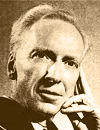
Oswald J. Smith emphasizes the unparalleled power of intercessory prayer as the Christian's most effective weapon, capable of achieving what no other means can. He laments the modern trend of relying on natural methods instead of the God-ordained practice of prayer, which leads to superficial result

R.A. Torrey emphasizes the reasons why God used D. L. Moody so powerfully, highlighting Moody's complete surrender to God, his fervent prayer life, and his deep commitment to studying the Bible. Torrey notes that Moody's humility, freedom from the love of money, and his passionate desire for the sal

Shane Idleman passionately preaches about the concept of the 'Power Closet,' emphasizing that God answers specific prayers, particularly the simple plea of 'God help me.' He encourages believers to approach God relationally and with reverence, highlighting the importance of praying according to God'