
In the New Testament, the commissioning of the apostles marks a pivotal moment in the establishment of the early Church. Jesus, in Matthew 28:19-20, commands His followers to "go therefore and make disciples of all nations," emphasizing the universal scope of their mission. This directive is not merely a suggestion but a divine mandate, empowering the apostles to spread the Gospel and baptize believers. The significance of their commissioning is further illustrated in Acts 1:8, where Jesus promises that they will receive power when the Holy Spirit comes upon them, enabling them to be His witnesses "in Jerusalem and in all Judea and Samaria, and to the ends of the earth." The twelve apostles, chosen by Jesus as described in Luke 6:13, were not only to preach but also to demonstrate the Kingdom of God through signs and wonders, as seen in Mark 16:17-18. Their commissioning reflects a divine strategy for the expansion of the faith, rooted in prayer and reliance on the Holy Spirit, as they were instructed to wait in Jerusalem until they were clothed with power from on high (Luke 24:49). Ultimately, the apostles' commissioning serves as a model for all believers, calling them to participate in God's redemptive plan throughout the world.
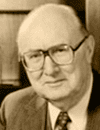
John F. Walvoord preaches on the commissioning of the twelve apostles by Christ, highlighting their authority to cast out unclean spirits and heal diseases. The apostles were sent specifically to the lost sheep of Israel, with instructions to rely on God for provision and to shake off unwelcoming pl