
Christian orthodoxy represents the foundational beliefs that have been held by the Church throughout history, rooted in the teachings of Scripture. It emphasizes the importance of adhering to the core doctrines of the faith, such as the nature of God, the divinity of Christ, and the work of the Holy Spirit. As Paul writes in 1 Timothy 6:20-21, believers are urged to guard the deposit of faith, avoiding contradictions and false teachings that can lead to spiritual shipwreck. The Bible warns against heresies, as seen in 2 Peter 2:1, where false prophets introduce destructive teachings that can lead many astray. Orthodoxy is not merely a set of beliefs but a way of life that reflects the truth of the Gospel, as stated in John 8:32, "And you will know the truth, and the truth will set you free." In a world filled with varying interpretations of faith, the call to remain steadfast in sound doctrine is crucial, echoing the admonition found in Jude 1:3 to contend for the faith that was once for all delivered to the saints. Upholding Christian orthodoxy ensures that believers remain anchored in the truth of God's Word, fostering unity and spiritual growth within the body of Christ.
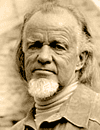
Francis Schaeffer's journey with his wife, Edith, began with a commitment to defending Christian orthodoxy amidst the fundamentalist-modernist conflict of the 1920s. Despite their different upbringings, they united in their passion for the inerrancy of Scripture and the importance of theological tru
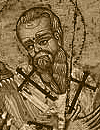
Ignatius of Antioch warns the congregation to avoid false teachings and evil influences, specifically mentioning individuals like Simon, Menander, Basilides, Nicolaitanes, Theodotus, and Cleobulus, who lead people astray with their wicked ways. He emphasizes the importance of staying rooted in the t