
Christian transformation is a profound work of the Holy Spirit, bringing about a radical change in the believer's life. As Paul writes in 2 Corinthians 5:17, "Therefore, if anyone is in Christ, he is a new creation; the old has passed away, behold, the new has come." This transformation is not merely behavioral modification but a deep, spiritual renewal that aligns the believer's heart with God's will. Jesus emphasizes this transformative process in John 3:3, stating, "Unless one is born again, he cannot see the kingdom of God," highlighting the necessity of spiritual rebirth. Furthermore, the Apostle Paul illustrates in Romans 12:2 the call to "not be conformed to this world, but be transformed by the renewal of your mind," indicating that true transformation involves a shift in our thoughts and values. The interplay of law and grace, as discussed in Galatians 2:21, reveals that while the law exposes our sin, it is through grace that we find the power to change. Ultimately, Christian transformation reflects the character of Christ in our lives, as we are called to embody His love and truth, fulfilling the command to love one another as He has loved us (John 13:34).

George Fox emphasizes the importance of unity in the spirit, being baptized into one body through the eternal bread of life and communion with the blood of Jesus Christ. He urges the congregation to stay pure in their desires, allowing for clear discernment between the earthly and the spiritual. By

Hieromonk Damascene preaches on the marks of transformation in a Christian, as outlined by St. Paul in Romans 12. These marks include showing mercy with cheerfulness, genuine love, kindness, humility, diligence, fervent spirit, rejoicing in hope, patience in tribulation, and overcoming evil with goo
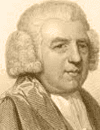
John Newton, in a letter to a friend, expresses his desire to maintain a candid and respectful dialogue despite differing views, emphasizing the importance of mutual freedom and understanding in communication. He encourages his friend to seek the pearl of great price, alluding to a personal transfor

R.V. Amos preaches about the timeless relevance of the Bible, highlighting its stories of people with hopes, fears, dreams, and sins, and its dramatic incidents. He focuses on the meeting of Philip and the Ethiopian man in Acts 8, emphasizing the importance of understanding and seeking truth with th

William Kelly preaches on the contrast between the two occasions when the tables of stone were given to man by God, one characterized by total ruin and darkness, and the other by a mingling of grace and mercy with the law. He emphasizes that our position as Christians is in the presence of grace and