
The biblical topic of "Courage in Crisis" is a pervasive theme throughout the Christian scriptures, emphasizing the importance of faith and trust in God during times of adversity. As seen in Psalms 23:1, where David declares "The Lord is my shepherd, I lack nothing," believers are encouraged to find comfort and strength in their relationship with God, even in the midst of crisis. The apostle Paul also writes about this concept in Romans 8:28, stating that "in all things God works for the good of those who love him," and in 2 Timothy 1:7, where he reminds believers that "God did not give us a spirit of fear, but of power and of love and of self-discipline," thereby empowering them to face challenges with courage and confidence. Through these and other passages, the Bible offers a powerful message of hope and resilience, urging Christians to trust in God's sovereignty and provision, even in the darkest of times.

A.B. Simpson explores the story of Esther, emphasizing how God orchestrates events for His glory and the deliverance of His people. He highlights Esther's courage to act in a time of crisis, reminding us that our positions and gifts are divine trusts meant for service. The sermon illustrates how God

George Matheson delivers a powerful sermon titled 'Riding the Storms,' emphasizing that opposition to God's will can inadvertently serve His divine purpose. He reflects on Acts 4:27-28, illustrating how Herod and Pontius Pilate's actions against Jesus were actually part of God's plan, turning their

John Gill emphasizes the infinite wisdom of God, asserting that it is a fundamental attribute that surpasses human understanding. He illustrates how God's wisdom is evident in His creation, providence, and the redemptive work through Christ, demonstrating that all things are orchestrated for His glo

E.M. Bounds emphasizes the inseparable relationship between prayer and divine providence, asserting that prayer invites God's intervention in human affairs and that providence is the outcome of prayer. He explains that God's providence is a direct oversight of all creation, ensuring that nothing occ

George Müller emphasizes the importance of faith in God's sovereignty over life's circumstances, recounting a miraculous incident during his journey to Quebec. Despite the dense fog that seemed to make his travel impossible, Müller confidently declared that his focus was not on the fog but on the li
John Gill expounds on the providence of God, emphasizing that it is the divine governance and care over all creation. He explains that God's providence is distinct from foreknowledge and predestination, focusing instead on His active involvement in sustaining and directing the universe. Gill illustr
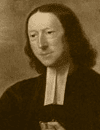
John Wesley explains the significance of the events surrounding the birth of Jesus in Bethlehem, emphasizing the role of the wise men as the first fruits of the Gentiles who recognized the fulfillment of prophecy through the star. He highlights Herod's fear and deceit as he sought to eliminate the n
E.M. Bounds emphasizes the dual nature of God's providence, distinguishing between direct and permissive providences. He illustrates how even afflictive events, originating from wicked intentions, can serve God's purposes for His saints, as seen in the lives of Job and Joseph. Bounds highlights that
George Matheson explores the concept of natural law in the context of God's providence, using the example of the east wind that brought locusts to Egypt as a means of deliverance for His people. He questions why God chose to use a natural phenomenon instead of a more direct intervention, emphasizing

J.R. Miller reflects on the significance of Paul's arrival in Corinth, emphasizing how his presence and the gospel he brought transformed the city. Through divine providence, Paul met Aquila and Priscilla, who became his friends and supporters, illustrating how hardships can lead to unexpected bless