
The concept of Divine Action refers to the ways in which God intervenes and works in the world, as described throughout the Bible. According to Scripture, God's action is often mysterious and sovereign, yet always guided by His love and wisdom, as seen in Romans 8:28, where it is written that "all things work together for good for those who love God." The Psalmist also acknowledges God's guidance and care in Psalms 23:1, stating "The Lord is my shepherd, I shall not want," highlighting God's providential action in the lives of believers. Furthermore, in Isaiah 46:10, God declares "My counsel shall stand, and I will accomplish my purpose," demonstrating the Bible's portrayal of Divine Action as a purposeful and effective working of God in the world.
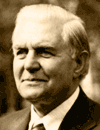
Major Ian Thomas emphasizes that Christ's death was not merely for the forgiveness of sins but to enable divine action in our lives. He argues that true Christianity transcends religion and ethics, offering a revolutionary principle of life that is exciting and relevant today. Eternal life is not ju

In this sermon, the speaker addresses various topics such as the influence of media, the importance of reading the New Testament, and the power of one individual to make a difference. The speaker emphasizes the need to break free from sinful habits and to focus on living a life that reflects Jesus a

In this sermon, the speaker begins by challenging the idea that things would go better if God laid a person aside. He uses the example of Peter walking on water to illustrate the power of faith and the potential for greatness in serving Christ. The speaker then shifts to the apostle Paul, who was in

Martyn-Lloyd Jones emphasizes the profound statement made by the Apostle Paul, 'To me, to live is Christ, and to die is gain.' He explores the essence of true living, which is centered on Christ, contrasting it with various worldly views of life. The preacher challenges the congregation to reflect o
Phil Beach Jr. emphasizes the significance of Christ's resurrection, which is affirmed throughout the New Testament, highlighting three key points: He did rise, the implications if He hadn't, and what it means for us now that He has risen. The resurrection is foundational to the Christian faith, val
Joseph Carroll emphasizes that understanding sin is crucial for true salvation, as many today have a distorted view of sin and seek Christ for selfish reasons rather than for true repentance and transformation. He explains that true Christianity is about living for Christ, not for self-gratification
Peter Brandon preaches on 'The Activity of the Holy Spirit: The Body of Beauty,' emphasizing the significance of the Christian body as a temple of the Holy Spirit. He discusses the various states of the body, including the body of sin, the body of death, and the body of discipline, ultimately leadin

J.R. Miller emphasizes the true meaning of consecration, which is a personal commitment to God, recognizing His ownership over our lives and dedicating ourselves to His service. He explains that this commitment should manifest in our daily actions, whether at school, home, or work, and that every ta

C.H. Spurgeon emphasizes that believers are wholly Christ's through divine donation, redemption, dedication, and relationship. He urges Christians to live out their identity as Christ's by resisting temptation and engaging actively in good works, reminding them that their actions should reflect thei
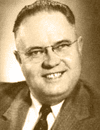
Theodore Epp emphasizes that Christ desires to live His life through us, urging believers to allow Him to use every part of their being--eyes, ears, lips, heart, mind, hands, and feet--to fulfill His mission in the world. He highlights the importance of surrendering not just our physical bodies but