
The biblical concept of Divine Sovereignty and Human Responsibility explores the intricate relationship between God's sovereign control over all things and human accountability for actions. According to Scripture, God is the omnipotent ruler of the universe, as stated in Psalms 23:1, "The Lord is my shepherd, I lack nothing," and Romans 8:28, which affirms that "God works all things together for good." Meanwhile, the Bible also emphasizes human responsibility, as seen in Genesis 1:27, where humans are created in God's image and given the capacity for moral choice, underscoring the tension between divine sovereignty and human agency. This paradox is a central theme in Christian theology, with the Bible ultimately affirming that God's sovereignty and human responsibility coexist in a mysterious harmony that is beyond human comprehension.

T. Austin-Sparks emphasizes the significance of individual believers in Romans 16, highlighting that each person matters to God and contributes to the body of Christ. He reflects on how the names listed are not just statistics but represent lives transformed by the gospel, urging listeners to consid

F.B. Meyer emphasizes the importance of behaving valiantly for our people and cities, drawing inspiration from Joab's commitment to God amidst battle. He critiques the societal reluctance to mention God, advocating for a balance between divine reliance and personal responsibility. Meyer asserts that

David Wilkerson passionately urges believers to take action and reach out to the nations, emphasizing that many are heading to hell while Christians remain comfortable and complacent. He draws parallels to the early church at Pentecost, warning that without proactive outreach, God may use challenges

Alan Redpath emphasizes the urgent need for revival within the church, drawing from the example of the Thessalonian church, which became a model of faith, love, and hope amidst adversity. He highlights the importance of turning from idols to serve the living God and the necessity of bearing the mark

Major Ian Thomas emphasizes the importance of faith that comes from hearing the Word of God, using the story of King Jehoshaphat to illustrate how faith must be mixed with action to be effective. He explains that while the Word of God generates faith, it is only through the active appropriation of t

Leonard Ravenhill emphasizes that life is not random and that while God may be beyond human explanation, He can be profoundly experienced in our lives. This experience of God transcends mere understanding and invites believers to engage deeply with their faith. Ravenhill encourages listeners to seek

Mariano Di Gangi delivers a powerful sermon on the 'Resurrection of the Crucified,' recounting the events surrounding Jesus' burial and resurrection through the perspectives of key figures like Joseph of Arimathea, Nicodemus, Simon Peter, and John. Each character shares their journey from secret dis

Phil Beach Jr. emphasizes the necessity of moving beyond mere belief in God's omnipotence to actively participating in faith through obedience and action. He illustrates this with examples from the lives of Abraham and Peter, highlighting that true faith requires stepping out and trusting God, espec
David Wilkerson emphasizes that Christ's mission was to save rather than to condemn, urging believers to remember God's past deliverances and to act on their love for Him. He warns against complacency in faith, highlighting the dangers of a lukewarm gospel that neglects the full counsel of God, incl
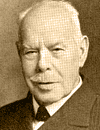
Smith Wigglesworth emphasizes the necessity of living an active life as a Spirit-filled believer, especially in the face of spiritual challenges in the last days. He shares personal experiences that illustrate the importance of discerning God's voice and acting in faith, highlighting that true power