
The biblical concept of "Duty of Love" is rooted in the commandment to love one's neighbors and enemies, as seen in Matthew 22:39 and Luke 6:27, where Jesus teaches that loving others is a fundamental aspect of Christian faith. This duty is further emphasized in Galatians 5:14, which states that the entire law is fulfilled in the single command to love one's neighbor as oneself. The Bible underscores the importance of demonstrating love through actions, such as caring for the poor and the marginalized, as exemplified in James 1:27, which encourages believers to look after orphans and widows in their distress. By embracing this duty of love, Christians are able to reflect God's character and fulfill their calling to be a light to the world, as stated in Matthew 5:16.

J.R. Miller emphasizes the critical duty of praying for others, illustrating that neglecting this responsibility is a sin against God. He reflects on Samuel's commitment to intercede for the people who had wronged him, highlighting that true love and friendship require us to pray for even those who

In this sermon, the preacher discusses the different perspectives of Jesus presented in the Gospels of Matthew, Mark, Luke, and John. Matthew portrays Jesus as a king, while Mark emphasizes his role as a servant. Luke presents Jesus as a man who is dependent on his Father and is known for his deep p
In this sermon, the speaker emphasizes the importance of being zealous and passionate in spreading the word of God. He criticizes those who claim to have the best thing in the world but do not fully commit to it. The speaker shares examples of individuals in history who fervently prayed for revival

In this sermon, the preacher discusses the importance of discerning the difference between the voice of God and the voice of Satan. He shares a story about a man who would pray for the souls of men and women in a town, kneeling at a specific spot and looking over the town. The preacher emphasizes th
In this sermon, the speaker shares his personal experience of witnessing the power of God's presence and the impact it had on his life. He emphasizes the importance of having a broken heart for people and the need for intercession through prayer. The speaker tells a story about an old man who prayed
Leonard Ravenhill emphasizes the profound nature of intercessory prayer through the story of Hannah in 1 Samuel 1:2-16. He highlights the essential elements of prayer, such as desperation, sacrifice, and the need for a deep connection with God, as demonstrated by Hannah's heartfelt cries for a child

Phil Beach Jr. emphasizes the significance of spiritual warfare, urging believers to stand firm on God's promises and engage in intercessory prayer. He draws parallels between the Israelites' preparation at Gilgal and the necessary spiritual disciplines Christians must practice, such as spiritual ci
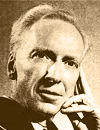
Oswald J. Smith emphasizes the unparalleled power of intercessory prayer as the Christian's most effective weapon, capable of achieving what no other means can. He laments the modern trend of relying on natural methods instead of the God-ordained practice of prayer, which leads to superficial result

E.M. Bounds emphasizes the profound nature of spiritual compassion, which arises from a renewed heart and compels individuals to pray earnestly for others in need. This compassion, rooted in mercy and pity, drives believers to intercede for the suffering and lost, reflecting Christ's own compassion

Andrew Murray emphasizes the vital role of the Holy Spirit in prayer, explaining that while we may struggle to articulate our needs, the Spirit intercedes for us with unutterable groanings that align with God's will. He illustrates how the Spirit connects us to the Father and the Son, enabling us to