
The concept of Eternal Judgment is a fundamental aspect of Christian theology, rooted in the Bible's teachings on the ultimate reckoning of humanity before God. According to Hebrews 9:27, every person will face judgment after death, and this judgment will be based on their deeds and faith in Jesus Christ, as emphasized in Revelation 20:12-15. The Bible also assures believers that they will be spared from eternal condemnation through their faith in Christ, as stated in Romans 8:1, which declares that there is no condemnation for those who are in Christ Jesus. Ultimately, the prospect of Eternal Judgment serves as a reminder of the importance of living a life of obedience and devotion to God, as encouraged in Psalms 119:1-2, which extols the blessings of following God's laws and decrees.

C.H. Spurgeon illustrates the folly of sinners by comparing them to swine that eagerly follow a butcher into the slaughterhouse, enticed by temporary pleasures. Just as the pigs are unaware of their impending doom, so too are ungodly men lured by the fleeting joys of sin, which ultimately lead to et
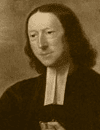
John Wesley delivers a powerful sermon on the reality of hell, emphasizing the eternal consequences of sin and the importance of heeding God's warnings. He highlights the repeated warnings of Jesus about hell's unquenchable fire and the never-dying worm, urging even the faithful to reflect on the se

Robert Murray M'Cheyne delivers a sobering sermon on 'The Eternal Torment of the Wicked', emphasizing that the eternal punishment of the wicked will be a source of joy and praise for the redeemed in heaven. He explains that the inhabitants of heaven will rejoice over the destruction of Babylon and t

Thomas Brooks delivers a powerful sermon titled 'From Burning to Burning!' emphasizing the extreme and unparalleled torments of hell compared to any earthly suffering. He vividly describes hell as a place of darkness, sorrow, and unending pain, where the damned will experience eternal torment withou
Robert Murray M'Cheyne emphasizes the reality and seriousness of hell, drawing from biblical references to illustrate its eternal nature and the righteousness of God in punishing sin. He argues that the warnings about hell are rooted in love and truth, as seen in the teachings of David, Paul, John,
Thomas Brooks delivers a sobering sermon on the reality of hell, emphasizing that many deny its existence until they face its horrors firsthand. He warns that the final words of Christ to the ungodly will be a terrifying rejection, commanding them to depart into eternal fire, a fate filled with unen
Thomas Brooks warns of the dreadful reality of hell, describing it as a torment far greater than any earthly suffering. He emphasizes that the fire of Tophet, prepared by God, is eternal and unquenchable, reserved for the graceless and wicked. Brooks vividly illustrates the horrors of hell, where ev
Thomas Brooks delivers a powerful sermon on the dire consequences of rejecting Christ, emphasizing the eternal torment awaiting the ungodly as depicted in Matthew 25:41. He describes the horror of being cast away from God's presence, highlighting the eternal fire prepared for the devil and his angel
Thomas Brooks delivers a powerful sermon on the eternal torment of hell, emphasizing that the fires of hell are unquenchable and everlasting, unlike earthly fires that can be extinguished. He warns that no amount of tears or time can alleviate the suffering of the damned, who are bound in eternal da
Thomas Brooks delivers a powerful sermon titled 'That Immortal Bird!' emphasizing the stark contrast between God's infinite mercy towards the elect and His infinite justice towards the reprobate in hell. He vividly describes the eternal torment faced by the impenitent sinner, who has no hope of reli

Art Katz emphasizes the grave reality of Hell as an eternal consequence of indifference to God, urging listeners to understand that death is not the end but a transition to judgment. He reflects on historical revivals that were fueled by a belief in Hell, highlighting the moral implications of our a
Thomas Brooks emphasizes the importance of contemplating hell as a means to deter individuals from sinful behaviors and pleasures. He laments the apathy of people who recklessly pursue a life of sin, oblivious to the eternal consequences that await them. Brooks argues that if sinners could truly gra
Thomas Brooks emphasizes the severity of rejecting Christ and His gospel, arguing that such contempt is worse than the sins of Sodom and Gomorrah. He warns that those who refuse to accept God's grace and mercy will face far greater judgments than the destruction of those ancient cities. Brooks highl
Thomas Brooks emphasizes the importance of contemplating hell as a means of preserving oneself from falling into it. He warns that while earthly pleasures are fleeting, the torments of hell are eternal and unbearable. By reflecting on the various aspects of hell's torment--its bitterness, pitilessne
Thomas Brooks emphasizes the certainty and severity of hell for the wicked, describing it as a place of eternal torment where divine justice holds them captive. He vividly illustrates the horrors of hell, likening it to a bottomless pit and a fiery furnace, and questions why anyone would choose to d
Thomas Brooks preaches about the despair that accompanies eternal damnation, emphasizing that the wicked are imprisoned in hell due to their inability to pay the price for their sins. He describes despair as an inevitable companion of the damned, who face hopelessness and the certainty of their eter
Thomas Brooks delivers a sobering sermon on the nature of hell, emphasizing that unlike earthly fire, the flames of hell do not consume but perpetually torment the damned. He illustrates the eternal suffering of those in hell, who will long for death but find it elusive, enduring a state of perpetua
Thomas Brooks delivers a sobering sermon titled 'But Woe and Alas!' emphasizing the eternal nature of hell's torments. He illustrates the futility of imagining any end to suffering, using vivid analogies such as a bird emptying the sea or an angel removing grains of sand over millennia. The preacher
Thomas Brooks emphasizes the eternal and unbearable nature of hell's torments, illustrated by the 'worm that never dies' as mentioned by Christ in Mark 9:44, 46, and 48. He stresses that the concept of eternity in hell is a source of despair for the damned, as there is no hope for relief or redempti