
The biblical concept of freedom of choice is rooted in the idea that humanity has been endowed by God with the capacity for self-determination, as seen in Deuteronomy 30:19, where Moses declares, "I call heaven and earth to witness against you today, that I have set before you life and death, blessing and curse. Choose life." This freedom is not absolute, however, as it is bounded by God's sovereignty and the human condition of sin, as noted in Romans 7:18-20, where Paul laments the struggle between his desire to do good and his inclination towards sin. Ultimately, the Christian faith affirms that true freedom is found in submission to God's will, as expressed in Psalms 119:45, where the psalmist writes, "I will walk about in freedom, for I have sought out your precepts," highlighting the paradox that freedom is achieved through obedience to God's commands.
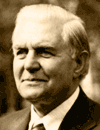
Major Ian Thomas emphasizes the concept of freedom of choice in relation to God's grace and the efficacy of Christ's sacrifice. He argues against the notion that God arbitrarily limits redemption, asserting that the reluctance to repent lies with humanity, not God. Thomas highlights that without the

A.W. Tozer emphasizes that choosing God's will is not a denial of our freedom but an exercise of it, recognizing our limitations in making the best choices. He highlights that true saintliness comes from submitting our will to God's, acknowledging that while we have the freedom to choose, we should

In this sermon, the speaker shares a story about a man who crashes his plane in the Sahara Desert and embarks on a journey for water. Along the way, he encounters a gatekeeper who denies him entry to a swimming pool without ties. The speaker uses this story as a metaphor to illustrate that God alway

In this sermon, the pastor shares a story about a missionary who persecuted Christians, including a pastor. However, when the missionary broke his leg and needed a blood transfusion, the pastor showed him grace by collecting money for his operation and donating blood. This act of grace led the missi

In this sermon, the speaker reflects on the state of the nation and how it has turned away from God's law. He emphasizes the need for fearless preachers who are driven by the love of Christ to proclaim the gospel boldly in all areas of life. The speaker also highlights the consequences of national i

John Vissers emphasizes the theme of second chances in the story of Jonah, illustrating how God renews Jonah's commission after his initial disobedience. Jonah, having faced the consequences of running from God, is given another opportunity to fulfill his calling to preach to Nineveh. The sermon dra
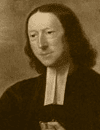
John Wesley preaches on the profound implications of Adam's fall, emphasizing that while sin entered the world through one man's disobedience, it also paved the way for God's grace and the opportunity for redemption through Jesus Christ. He argues that the fall, rather than being solely a source of
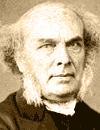
Horatius Bonar emphasizes that true peace for sinners cannot be found within themselves or their actions, but solely through knowing God and His character. He explains that God has revealed Himself as gracious and loving, and it is through this revelation that sinners can find rest and peace. Bonar

Thomas Brooks shares a powerful testimony of the transformative work God has done in his life, emphasizing the soul blessings and favors bestowed upon him. He reflects on his past state of darkness, unrighteousness, and deformity, contrasting it with the light, righteousness, and completeness he has

A.B. Simpson emphasizes the contrast between Jacob, described as a 'worm,' and the 'Mighty One of Jacob,' illustrating how God chooses the weak and unworthy to demonstrate His grace and sufficiency. He highlights Jacob's life as a testament to God's ability to transform and use flawed individuals fo