
The concept of God's sacrifice is a central tenet of the Christian faith, as it underscores the depth of God's love for humanity, demonstrated through the ultimate sacrifice of His only Son, Jesus Christ, as stated in John 3:16. This selfless act is a testament to God's profound desire for reconciliation with humanity, as expressed in Romans 5:8, which notes that "God demonstrates his own love for us in this: While we were still sinners, Christ died for us." The sacrifice of God is also foreshadowed in the Old Testament, where Psalms 22:1, a messianic psalm, alludes to the suffering and crucifixion of the Messiah, highlighting the continuity and fulfillment of God's redemptive plan in the person of Jesus Christ. Through this sacrifice, God has provided a means of salvation and redemption for all humanity, as emphasized in 1 John 4:10, which affirms that "this is love: not that we loved God, but that he loved us and sent his Son as an atoning sacrifice for our sins."

Erlo Stegen emphasizes the profound truth that all riches are found in Christ, drawing from Romans 8:32 to illustrate God's immense love in sacrificing His Son for humanity. He compares this sacrifice to a mother's heartbreaking decision to give up her child for a better life, highlighting the depth

Horatius Bonar emphasizes Christ's profound love and compassion for sinners, particularly addressing the Laodicean church's self-sufficiency and ignorance of their spiritual poverty. He presents Christ as the heavenly merchant offering invaluable goods--gold, clothing, and eye-salve--symbolizing spi

J.R. Miller emphasizes the importance of seeking more than just temporary comforts from God, urging believers to recognize the vastness of His blessings beyond mere earthly needs. He points out that many approach God with small requests, focusing on physical relief and material possessions, while ne

A.W. Tozer emphasizes the profound truth of divine indwelling, explaining that believers are the temple of God, as stated in 1 Corinthians. He highlights the mystery of Christ living within us, which offers hope and spiritual richness. Tozer urges Christians to grasp the practical implications of th

C.H. Spurgeon emphasizes that through Jesus' sacrifice, believers have obtained an inheritance that encompasses all the rights and privileges associated with Him. He explains that while Jesus possesses essential rights as God, He shares His glory and blessings with those who are united with Him. The
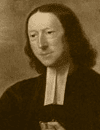
John Wesley preaches on the folly of worldly wealth, using the parable of the rich fool from Luke 12:20 to illustrate the dangers of placing trust in material possessions rather than in God. He emphasizes that true wisdom lies in recognizing the transient nature of life and the importance of using o

Thomas Brooks emphasizes the contrast between the trivial offerings of the world, which are given to the wicked, and the true treasure of Christ, which is reserved for the saints. He illustrates that while the world is filled with worthless things, the true beauty and value, represented by roses, is
Thomas Brooks emphasizes that when God removes our earthly possessions and comforts, He compensates us with greater spiritual blessings. The sermon illustrates that losing temporal goods can lead to gaining more of God's presence, grace, and eternal rewards. Brooks encourages believers to view these