
The biblical concept of "Grace and the Law" is a central theme in Christian theology, exploring the relationship between God's gracious gift of salvation and the moral guidelines outlined in the Law. According to Romans 8:28, God works all things together for the good of those who love Him, demonstrating that His grace is not limited by the Law, but rather transcends it. As stated in Galatians 2:20, Christians are no longer under the Law, but are instead under the guidance of the Holy Spirit, who enables them to live a life of freedom and obedience to God's will, as also emphasized in Psalms 119:33, where the psalmist asks God to teach him His decrees and to give him understanding. Through the lens of Scripture, including Romans 6:14, Christians understand that they are not justified by the Law, but by faith in Jesus Christ, who has fulfilled the Law on their behalf.

Chuck Smith discusses the relationship between Christ and the Law and Prophets, emphasizing that Jesus came to fulfill the prophecies and the Law, which includes moral, judicial, and ceremonial aspects. He explains that while the Law cannot make one righteous or forgive sins, it serves to reveal sin

C.H. Spurgeon emphasizes the profound significance of the temple veil being torn at Jesus' death, illustrating the end of the old law and the fulfillment of sacrifices in Christ. This miraculous event not only signifies the abolishment of the annual atonement but also reveals the mercy-seat and the

T. Austin-Sparks emphasizes the significance of the ark of the covenant, which symbolizes the fulfillment of God's law through Christ. The sermon highlights that the law, represented by the two tablets, is complete in itself, embodying God's will and love, and that Christ is the ultimate expression
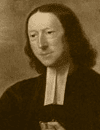
John Wesley emphasizes that Jesus did not come to abolish the Law or the Prophets but to fulfill them, asserting the enduring nature of God's moral law. He warns against the false hope of a new, easier religion and stresses that true righteousness must exceed that of the Scribes and Pharisees, who w

F.B. Meyer emphasizes that Jesus' mission was to fulfill and elevate the law rather than abolish it, illustrating how He embodies the highest ideals of righteousness. He highlights the reverence Jesus had for the Old Testament, affirming its divine authority and the importance of its teachings in pr

David Wilkerson emphasizes that through Adam's sin, humanity became sinful, but through Jesus' sacrifice, we are made righteous. He explains that the law was given by God to reveal our inability to meet His standards and to show us our need for a Savior. The Pharisees attempted to fulfill the law th

Andrew Murray emphasizes the profound privilege of entering 'The Holiest' through the blood of Jesus, highlighting that this access is a gift of grace that allows believers to dwell in God's presence. He explains that the way into this sacred space is made possible by Christ's sacrifice, which not o
David Wilkerson emphasizes the profound truth that believers have been granted the same glory that Jesus received from the Father, which is the unimpeded access to God. This access allows us to approach the Father boldly and confidently, unlike Esther who had to wait for the king's approval. Through

Art Katz emphasizes the significance of the rending of the veil at Jesus' crucifixion, which opened the way for all believers to access the holiest place and commune with God. He challenges the congregation to recognize the self-imposed veils in their lives that hinder their relationship with God, u
David Wilkerson emphasizes the dual benefits of Christ's work at Calvary, highlighting that while believers often focus on the forgiveness and grace provided to humanity, there is also a profound benefit to God. The cross not only grants sinners access to forgiveness and eternal life but also brings