
Herod's reign represents a complex and tumultuous period in biblical history, marked by political intrigue and profound implications for the Jewish people and the early Christian church. As the appointed King of Judea, Herod sought to consolidate power through both cunning and brutality, often resorting to violence to eliminate threats, as seen in his infamous decree to kill the infants in Bethlehem (Matthew 2:16-18). Despite his architectural achievements, including the expansion of the Second Temple, Herod's rule was characterized by a deep-seated fear of losing control, which ultimately led to his moral and spiritual decline. In the context of God's sovereignty, we see that even amidst such turmoil, God’s plan unfolds, as stated in Romans 8:28, where all things work together for good for those who love Him. Herod's actions, while seemingly powerful, were ultimately part of God's redemptive narrative, leading to the birth of Jesus Christ, the true King. The Gospels present Herod not just as a historical figure but as a symbol of worldly power that stands in stark contrast to the humble kingdom of God, which Jesus describes in Matthew 5:3-10. As believers reflect on Herod's reign, they are reminded of the transient nature of earthly authority and the eternal significance of God's kingdom.
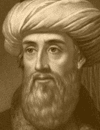
Flavius Josephus recounts the events from the death of Antigonus to the completion of the temple by Herod. Herod seizes Jerusalem, captures Antigonus, and punishes his enemies while rewarding his supporters. Antony beheads Antigonus to quell the Jews' loyalty to him. Hyrcanus is freed by the Parthia