
Human weakness is a pervasive theme in the Bible, acknowledging the inherent frailty and limitations of human nature. The apostle Paul, for instance, wrote about his own struggles with weakness, stating "For when I am weak, then I am strong" (2 Corinthians 12:10), highlighting the paradox that it is in acknowledging and surrendering our weaknesses that we can find strength in God. The Bible also reminds us that our weaknesses can be opportunities for God's power to be made perfect, as seen in Psalms 73:26, where the psalmist affirms "My flesh and my heart may fail, but God is the strength of my heart and my portion forever." Ultimately, the Christian faith offers hope and redemption in the face of human weakness, as expressed in Romans 8:28, where Paul assures believers that "all things work together for good" despite their frailties.

Andrew Murray addresses the pressing question of why the church has failed to embody God's love as Christ did, emphasizing the need for complete devotion to God's Word. He acknowledges human weakness but argues that it is often underestimated, leading to a lack of reliance on the supernatural power

Horatius Bonar reflects on Peter's denial of Christ, emphasizing the profound weakness of even the most devoted disciples when faced with fear and temptation. He highlights that Peter, who had previously proclaimed his loyalty and witnessed Christ's glory, succumbed to fear and denied his Master thr

T. Austin-Sparks emphasizes the continual need for grace in the life of a servant of God, using Peter's experiences of both the transfiguration and his denial of Christ to illustrate the extremes of human potential. He highlights that true stability does not come from our own strength but from the g

A.B. Simpson emphasizes the profound contrast between human weakness and God's omnipotent power in his sermon 'Power for Service.' He illustrates that while humanity is inherently weak and often overwhelmed by sin and temptation, God's power is made available to believers through faith and the Holy
A.B. Simpson emphasizes the transformative power of the Holy Spirit in achieving union with God, which leads to an inheritance of blessings and prosperity in health and spirit. He explains that as we allow God's power to work within us, we become a source of attraction for those seeking hope and hea
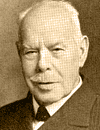
Smith Wigglesworth emphasizes the transformative power of faith, urging believers to truly believe in God and seek His will with persistence. He illustrates this through personal anecdotes, highlighting that faith is not just a theory but a dynamic force that can bring about miraculous changes in ou
Andrew Murray emphasizes the paradox of strength in weakness, teaching that true power comes from recognizing our own limitations and relying on Christ's omnipotence. He explains that while Christians often seek to overcome their weaknesses, God desires us to embrace them, as it is through our weakn

A.W. Tozer emphasizes the critical role of the Holy Spirit in the life of the church, lamenting the neglect of His presence among evangelical Christians. He contrasts the powerful, creative work of the Spirit as depicted in Scripture with the diminished role He plays in contemporary Christianity, wh

John Gill expounds on 2 Peter 1:3, emphasizing that God's divine power, particularly through Christ, grants us everything necessary for life and godliness. He explains that this encompasses not only temporal blessings but also spiritual life, eternal life, and the internal graces of the Spirit such

John Nelson Darby emphasizes the Lord's power over creation and demons as demonstrated in Mark 5, where Jesus calms the storm and casts out a legion of demons. He reflects on the world's rejection of Jesus, illustrating that the quiet influence of Satan is more destructive than his overt power, lead