
In the Bible, hypocrisy refers to the act of pretending to be what one is not, particularly in the context of religious or moral conduct. The term is most notably associated with the Pharisees in the New Testament, who are often criticized by Jesus for their outward displays of piety that masked their inward corruption. For example, in Matthew 23:27-28, Jesus calls the Pharisees "whitewashed tombs," indicating that while they appear righteous on the outside, they are full of hypocrisy and lawlessness on the inside.The Greek word for hypocrisy, "hypokrisis" (ὑπόκρισις), means "acting" or "playing a part." This concept is reflected in Jesus' teachings where He emphasizes the importance of sincerity in faith and warns against the dangers of superficial religious practices (Matthew 6:1-6). In essence, biblical hypocrisy involves a disconnection between one's professed beliefs and one's actual behavior, suggesting that true faith must be accompanied by genuine actions that reflect those beliefs (James 1:22).

In this sermon, the speaker emphasizes the precious and magnificent promises that God has given us in the scriptures. He explains that these promises are not meant to solely bring us health or wealth, but to transform us and make us partakers of God's nature. The speaker highlights the fallen nature

In this sermon, the speaker reflects on a play he watched and how it made him question his own commitment to living out the Bible. He emphasizes the importance of not just preaching about denying oneself and following God, but actually living it out. The speaker also references Matthew 25 and the pa
In this sermon, the speaker emphasizes the importance of preaching the truth and feeding the congregation. He shares a personal story about a shepherd he met in Colorado who loved his sheep enough to preach the truth to them and take care of their physical needs. The speaker also highlights the sign

Shane Idleman passionately addresses the difference between faithful and unfaithful servants, emphasizing that true faithfulness comes from an inward change rather than mere outward appearances. He warns against hypocrisy, highlighting that many who claim to be Christians lack a genuine relationship
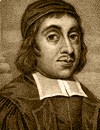
Thomas Watson presents a vivid portrayal of a godly man, emphasizing the importance of genuine faith over mere outward appearances. He warns against hypocrisy, likening it to whitewashed tombs that appear beautiful but are filled with decay inside. Watson stresses that true godliness is rooted in th

Thomas Brooks emphasizes the dangers of hypocrisy in religious practice, illustrating how the Pharisees performed many outward acts of piety without true inward transformation. He argues that a hypocrite may engage in prayer, fasting, and giving, yet lacks the genuine heart and spiritual principles
Charles Finney addresses the dangers of seeking the praise of men over the praise of God, emphasizing that true self-love aligns with God's law, while selfishness leads to hypocrisy. He warns that many professing Christians are motivated by a desire for reputation rather than a genuine commitment to
Thomas Brooks addresses the issue of hypocrisy in his sermon, emphasizing the stark contrast between a hypocrite's outward appearance and their inner reality. He illustrates that while hypocrites may present a facade of righteousness, their hearts are filled with greed, malice, and wickedness, akin

John Sung emphasizes the abundant saving grace of God that is often despised, using the story of Simon the sorcerer from Acts 8 to illustrate how one can appear to believe yet remain unsaved. He highlights the importance of true repentance and the danger of hypocrisy, as seen in Simon's life, who de
Zac Poonen addresses the critical nature of the Pharisees, who, despite witnessing Jesus' miraculous acts, chose to attribute them to evil motives rather than recognizing His divine authority. He highlights the hypocrisy of the Pharisees, who are quick to judge others while being partial to their ow

A.W. Tozer emphasizes the importance of self-reflection and humility in the face of our own shortcomings, cautioning against the tendency to label others as hypocrites. He acknowledges that only Jesus, who is perfect, has the authority to judge, while we must focus on our own faults and the potentia
Thomas Brooks warns about the severe consequences of hypocrisy, emphasizing that those who pretend to be righteous while exploiting others, like the scribes and Pharisees, will face greater damnation. He illustrates that the torments of hypocrites in hell are unparalleled, as their counterfeit sanct
Thomas Brooks emphasizes the danger of hypocrisy in the Christian life, warning that those who outwardly display a religious facade to gain respect while living like an atheist in their private lives will ultimately be exposed by God. He stresses that true faith must be consistent both publicly and

R.A. Torrey's sermon on Matthew 23:1-36 addresses the hypocrisy of the Scribes and Pharisees, emphasizing the dangers of seeking human praise over divine approval. He warns that while they outwardly appeared righteous, they were inwardly corrupt, failing to practice what they preached and burdening
Zac Poonen addresses the hypocrisy of Pharisaical preachers who impose heavy burdens on others while failing to uphold the same standards themselves. He shares a personal experience from a youth camp where a speaker demanded excessive devotion without practicing it himself, revealing the inconsisten
Zac Poonen emphasizes the hypocrisy of the Pharisees, who meticulously focus on trivial matters while neglecting the weightier commands of Scripture. He illustrates this inconsistency by comparing their actions to straining out a gnat but swallowing a camel, highlighting the importance of prioritizi
Charles Finney addresses the dangers of valuing public opinion over God's approval, emphasizing that many professing Christians prioritize their reputation and social acceptance over true devotion to God. He distinguishes between self-love and selfishness, warning that when individuals act primarily

John Nelson Darby expounds on Matthew 23, emphasizing the hypocrisy of the Jewish leaders, the scribes and Pharisees, who misled the people while still holding authority over them. He highlights the disciples' connection to the nation of Israel, urging them to judge the leaders' actions while remain
Thomas Brooks warns against the dangers of hypocrisy in the pursuit of holiness, using the Scribes and Pharisees as prime examples of those who outwardly appear righteous but are inwardly corrupt. He emphasizes that pretended holiness leads to greater damnation, as those who profess godliness withou
Thomas Brooks emphasizes the danger of being outwardly holy while lacking true inner holiness, comparing such individuals to Halifax nuts, which are all shell and no kernel. He warns that many present a glorious facade to the world but are abominable in God's sight, highlighting the hypocrisy of tho
Thomas Brooks emphasizes the danger of harboring even a single sin, likening it to a dead fly that spoils a box of precious ointment. He warns that no hypocrite is completely free from the love of sin, as they often cling to secret lusts that can lead to spiritual death. Brooks illustrates that just
Thomas Brooks warns against the hypocrisy of those who profess faith outwardly while harboring sin in their hearts. He emphasizes that many individuals may speak of God but live in contradiction to their profession, indulging in and defending their sinful behaviors. Such individuals not only shame t
Thomas Brooks emphasizes the danger of focusing on trivial aspects of religion, as illustrated by the Pharisees who meticulously tithed their spices while neglecting justice, mercy, and faithfulness. He warns that such distractions are a tactic of Satan to keep believers from engaging in the weighti
Thomas Brooks emphasizes the futility of the hypocrite's hope, warning that those who live in sin and presume upon God's grace without true repentance face dire consequences. He cites Job 27:8 and Proverbs 11:7 to illustrate that the hopes of the wicked perish at death, and that false assurance lead
Thomas Brooks emphasizes the danger of hypocrisy within the church, warning that many engage in religious activities while their hearts remain distant from God. He highlights that mere participation in church ordinances does not equate to true devotion, as even the worst sinners can perform these ac
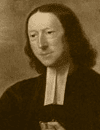
John Wesley expounds on Matthew 23, where Jesus criticizes the Pharisees and scribes for their hypocrisy and failure to embody the true spirit of the law. He highlights their outward displays of piety, such as wearing phylacteries and broad fringes, while neglecting justice, mercy, and faith. Wesley

Chuck Smith delivers a sermon on I Kings 14:1, emphasizing how God uses various methods to capture our attention, particularly in times of trouble. He discusses the character of Jeroboam and his wife, who only seek God when faced with crises, highlighting the danger of being an occasional hearer of
Zac Poonen emphasizes the hard-heartedness of the Pharisees, illustrating that their outward honor of God is superficial as their hearts are distant from Him. He compares the heart of a Pharisee to butter in a freezer, becoming hard and unyielding due to their separation from God, who is the source