
The Methodist Movement, rooted in the teachings of John Wesley, emphasizes the transformative power of grace and the importance of personal holiness. Wesley's approach aligns with the biblical call for believers to live out their faith actively, as seen in James 2:17, which states that faith without works is dead. Central to this movement is the concept of prevenient grace, which reflects God's initiative in reaching out to humanity, resonating with Ephesians 2:8-9, where we learn that salvation is a gift from God, not a result of our own efforts. The Methodist tradition also upholds the significance of community and accountability, echoing the teachings of Hebrews 10:24-25, which encourage believers to spur one another on toward love and good deeds. Furthermore, the movement's commitment to social justice and outreach is rooted in the biblical mandate to love our neighbors, as articulated in Mark 12:31. As the Methodist Movement continues to inspire and challenge believers today, it remains a testament to the enduring relevance of Scripture in guiding the church's mission to embody Christ's love in a broken world.
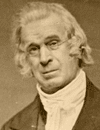
Nathan Bangs preaches about the early struggles and triumphs of Methodism in America, highlighting the dedication of Bishop Asbury in traveling extensively to preach and extend the work of God, facing hardships and dangers along the way. As Methodism spread to newly settled territories like Tennesse