
Understanding the nature of God is fundamental to Christian theology, as it shapes our relationship with Him and our understanding of His creation. The Bible reveals God as a loving and just Creator, who is intimately involved in the affairs of humanity. In Genesis 1:26, we see that mankind is made in His image, reflecting His attributes of love, holiness, and righteousness. Furthermore, 1 John 4:8 emphasizes that 'God is love,' indicating that love is not merely an action of God but is intrinsic to His very being. As we explore the complexities of His nature, we encounter the duality of His justice and mercy, beautifully illustrated in Romans 3:23-26, where Paul explains that all have sinned but are justified freely by His grace. This grace is made manifest through Jesus Christ, who reveals God's desire for reconciliation, as noted in John 3:16, where it states, 'For God so loved the world that He gave His only Son.' Moreover, the existence of evil and suffering prompts questions about God's sovereignty and goodness, which are addressed in texts like Isaiah 55:8-9, reminding us that God's ways and thoughts are higher than ours. Through these scriptures, we gain a deeper understanding of God's multifaceted nature, inviting us to worship Him in spirit and truth.

Edward Payson delves into the incomprehensible nature of God, describing Him as an infinite, overflowing fountain of being, perfection, and happiness. He challenges the audience to contemplate this wonderful Being who is everywhere and in everything, yet beyond full human understanding. Payson empha

In this sermon, the speaker discusses the importance of understanding the nature of God. He shares a personal experience of witnessing to a Jehovah's Witness girl who was convinced by a verse from the Bible that there is only one God. The speaker emphasizes the need to carefully examine the translat
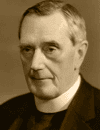
W.R. Inge delves into the ineffable nature of God, emphasizing that human language and understanding fall short in describing His essence. Inge challenges conventional notions by stating that God transcends qualities like goodness and wisdom, asserting that He is beyond the concepts of good, better,

In this sermon, the speaker emphasizes that human reasoning cannot fully comprehend the nature of God. Just as a dog cannot understand a human being without being taught, we cannot understand God without His revelation. The speaker explains that God desires a relationship with His creation, not just