
The "Power of the Holy Spirit" in the Bible refers to the dynamic ability and authority that the Holy Spirit imparts to believers and the Church for various purposes, including empowerment for ministry, guidance, and transformation. In Acts 1:8, Jesus promises His disciples that they will receive power when the Holy Spirit comes upon them, enabling them to be His witnesses "to the ends of the earth." This verse highlights the empowering aspect of the Holy Spirit, equipping believers to fulfill their mission and proclaim the gospel with boldness.Additionally, the Holy Spirit's power is evident in the transformative work He does within individuals. In Romans 8:11, Paul writes about the Spirit who raised Jesus from the dead dwelling in believers, indicating that the same power that resurrected Christ also works to give life to believers' mortal bodies. This signifies not only spiritual renewal but also the ability to live a life aligned with God’s will. Furthermore, the manifestations of the Spirit's power are evident through spiritual gifts, as described in 1 Corinthians 12, where believers are equipped for service in various capacities, demonstrating the Spirit's active involvement in the life of the Church. Thus, the power of the Holy Spirit is integral to the Christian faith, providing strength, guidance, and the ability to live out God's purposes.

In this sermon, the preacher uses various illustrations to convey his message. He starts by talking about a farmer and his tractor, highlighting the importance of having the right tools and being well-organized. He then shares the story of a migrant worker who approaches the bus instead of asking th

Leonard Ravenhill preaches on the miraculous healing of a crippled man by Peter and John at the temple gate, emphasizing the power of the Holy Spirit and the importance of faith over material wealth. He contrasts the early church's boldness and reliance on God with the modern church's complacency an
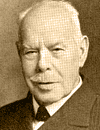
Smith Wigglesworth emphasizes the significance of 'abiding' in the presence of God, which leads to a place of power and assured victory. He illustrates this through the anointing of Jesus, who, filled with the Holy Spirit, faced trials and emerged empowered to teach and heal. Wigglesworth also refer
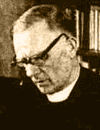
Duncan Campbell emphasizes the necessity of divine power for true revival, contrasting the early Church's reliance on the Holy Spirit with today's trend towards entertainment in evangelism. He questions why the modern Church does not experience the supernatural as the early believers did, suggesting

Shane Idleman emphasizes the church's comfort with spiritual abnormality, contrasting it with the early church's experience of the Holy Spirit's power. He calls for a return to a trembling fear of God, highlighting the need for genuine repentance and the active presence of the Holy Spirit in believe

A.B. Simpson emphasizes the necessity of receiving power from the Holy Spirit to fulfill the Great Commission, highlighting that human beings are inherently weak and in need of divine strength. He explains that this power is not merely an abstract force but the presence of the Holy Spirit, which ena
Shane Idleman emphasizes the necessity of relying on the Holy Spirit rather than our own strength to overcome life's challenges, drawing from the story of Zerubbabel and the rebuilding of the temple. He highlights the importance of unity among believers, stating that true power comes from being unit

Zac Poonen emphasizes the necessity of living by the power of God rather than relying on human soul-power, which can lead to deception and superficiality in Christian life and ministry. He illustrates how Jesus exemplified complete dependence on the Father through prayer and the Holy Spirit, rejecti

Brian Guerin encourages believers to recognize that God is not surprised by current events and is actively moving in power. He shares testimonies of healing and deliverance, emphasizing the importance of coming to Jesus for rest and rejuvenation amidst life's pressures. Guerin highlights that true r

D.L. Moody emphasizes the critical role of the Holy Spirit in effective witness-bearing, asserting that the Church lacks understanding of this power. He references John 15:26, highlighting that the Comforter, the Spirit of Truth, will testify of Christ, and believers are called to bear witness as we

Andrew Murray emphasizes the distinction between two types of preaching: one that relies on human wisdom and eloquence, which Christ forbade, and another that demonstrates the Spirit's power. He argues that true faith must be rooted in a personal communion with God, rather than in the wisdom of man,
Andrew Murray emphasizes that the preaching of the cross and the work of missions can be rendered ineffective by human wisdom, which undermines the power of God. He calls for a deep understanding of the true state of the church, urging intercessors to recognize and confess the sins that hinder reviv
Smith Wigglesworth shares his experiences of healing and the power of the Holy Spirit during his ministry in California, emphasizing the miraculous healings he witnessed, including a woman healed of cancer and a man freed from addiction. He highlights the fulfillment of Mark 16:17-18, where believer

G.W. North emphasizes the dual aspects of the Holy Spirit's power in the life of a believer, focusing on both miraculous works and the essential process of sanctification. He highlights that while many associate the Holy Spirit's power primarily with miraculous gifts, Paul also connects it to the co

Samuel Logan Brengle emphasizes the necessity of divine power for effective ministry, asserting that while believers receive the Holy Spirit, they require continual renewals of strength to face challenges and opposition. He illustrates this through biblical examples, such as the apostles who, after
Andrew Murray emphasizes the necessity of recognizing our utter dependence on God's power to live a truly spiritual and Christlike life. He warns against the self-confidence that leads us to believe we can achieve this on our own, highlighting the importance of allowing the Holy Spirit to work withi

T. Austin-Sparks emphasizes the significance of spiritual illumination in understanding the Scriptures and experiencing true power in the Christian life, as demonstrated by the apostles on the day of Pentecost. He argues that while the New Testament is complete, the ongoing work of the Holy Spirit i

F.B. Meyer emphasizes the necessity of preaching the cross with the power of the Holy Spirit rather than relying solely on human effort and intellect. He shares a personal experience of employing discharged prisoners in his wood factory, illustrating how their lack of efficiency compared to a gas-en
Zac Poonen emphasizes the necessity of receiving revelation and power from the Holy Spirit, as highlighted in Paul's prayers in Ephesians. He explains that understanding God's love and the fullness of Christ requires the collective experience of the entire Body of Christ, urging believers to remain

David Wilkerson emphasizes that the gospel must be accompanied by the power and demonstration of the Holy Spirit, as evidenced by signs and wonders that validate its truth. He references Paul's assertion that his preaching was backed by divine proof, and highlights the early church's fervent prayer

Chuck Smith emphasizes the transformative power of the Holy Spirit in the life of a believer, highlighting that the Spirit of the Lord can come upon anyone, turning them into 'another man.' He explains that this privilege, once rare in the Old Testament, is now available to all through repentance an