
The biblical topic of "Prayer and Divine Blessing" is a central aspect of the Christian faith, emphasizing the importance of communication with God through prayer and the resultant blessings that follow. According to Psalms 23:1, "The Lord is my shepherd, I lack nothing," highlighting the providential care of God in response to faithful prayer. In Philippians 4:6, believers are encouraged to "present your requests to God" with thanksgiving, demonstrating the confidence that God hears and responds to the prayers of His people, as also seen in Romans 8:28, where it is written that "all things work together for good to them that love God." Through prayer, Christians can experience divine blessing, guidance, and comfort, deepening their relationship with God and trusting in His sovereign care.
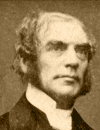
Octavius Winslow emphasizes the necessity of human effort in conjunction with divine blessing, illustrating that while God provides the power, we must actively engage in the means He has ordained. He uses the metaphor of digging ditches to represent our spiritual preparation through prayer, study of

Dennis Kinlaw emphasizes the profound relationship between faith and action through the story of Abraham, illustrating that true faith is demonstrated by deeds. He highlights that Abraham's willingness to sacrifice Isaac was not just a test of faith but a revelation of his deep trust in God, who ult

J.C. Ryle warns visible churches about the importance of genuine faith and the dangers of complacency in religious practices. He emphasizes that the letters to the seven churches in Revelation focus on doctrine, personal faith, and the necessity of overcoming sin rather than church governance or rit

Shane Idleman emphasizes the critical relationship between faith and works in his sermon 'Faith Without Works Is Dead,' drawing from James chapter 2. He explains that genuine faith naturally produces good works, and without such works, faith is essentially dead. Idleman reflects on the historical co
Shane Idleman addresses the contentious question of whether one can lose their salvation, emphasizing the importance of understanding scripture in context and the need for unity among believers despite differing views. He highlights that while there are warnings in the Bible, true believers are secu

Brian Guerin emphasizes the necessity of being doers of the Word, explaining that the Word of God is a seed that requires time, consistency, and the presence of the Holy Spirit to bear fruit in our lives. He highlights that faith comes by hearing the Word, but it must be accompanied by action to be

A.W. Pink explores the doctrine of justification, emphasizing the apparent contradiction between Paul's assertion that justification is by faith alone and James' claim that works are necessary for justification. Pink clarifies that Paul speaks of justification before God, while James addresses the e

A.W. Tozer emphasizes that good works are the evidence of true salvation, urging believers to maintain them as a reflection of their faith in God. He explains that while salvation is not earned through works, genuine faith naturally produces good deeds as a response to God's grace. Tozer highlights

John Gill preaches on Romans 3:31, emphasizing that faith does not nullify the law but rather establishes it. He addresses concerns that the doctrine of grace leads to moral laxity, arguing instead that true faith results in obedience to God's law. Gill explains that justification comes through the
A.W. Pink emphasizes the delicate balance between faith and good works, warning against the extremes of undervaluing good works or attributing salvation to them. He illustrates how theological errors arise when one aspect of truth is emphasized at the expense of another, leading to a distorted under