
In the Bible, redemption refers to the act of being saved or liberated from sin, guilt, or bondage, and it often carries the connotation of being purchased or delivered by a price. The Hebrew term for redemption, "ga'al," encompasses the idea of a kinsman-redeemer, someone who has the obligation to rescue a relative in distress, as seen in the story of Ruth and Boaz (Ruth 4:1-10). This concept is central to the Old Testament, where God frequently promises to redeem His people from oppression and sin (Isaiah 43:1).In the New Testament, redemption is primarily associated with the sacrificial death of Jesus Christ, who is seen as the ultimate Redeemer. The Greek word "apolutrosis" signifies liberation through payment, emphasizing that Christ's blood was the price for humanity's sins (Ephesians 1:7, 1 Peter 1:18-19). This act of redemption is not just a one-time event but a transformative process that restores believers to a right relationship with God, allowing them to experience forgiveness, grace, and the hope of eternal life (Romans 3:24, Colossians 1:13-14). Thus, redemption in the biblical context encompasses both a past event and an ongoing relationship with the Divine.

Paris Reidhead emphasizes the profound truth that Christ has redeemed us from the curse of the law by being made a curse for us. He recounts his personal journey of understanding healing and the significance of Christ's sacrifice, illustrating how the curse is not merely the penalty of death but a c

Jim Cymbala preaches on Genesis 38, focusing on the flawed character of Judah and the messy circumstances surrounding his family. He emphasizes that despite Judah's moral failures, God chose to bring the Messiah through his lineage, illustrating that Jesus came for those who are broken and in need o

Leonard Ravenhill emphasizes the profound significance of Jesus' declaration 'It is finished' from John 19:30, asserting that these words encapsulate the culmination of Old Testament prophecies and the foundation of New Testament truth. He reflects on the weight of these words, suggesting they signi

In the sermon 'Freedom Cd - Track 4 (Compilation)', the preacher shares a powerful testimony of redemption and victory through Jesus Christ, emphasizing the invitation from Christ to those who are weary and burdened to find rest in Him. He reflects on his past struggles with drugs and violence, expr

In this sermon, the preacher discusses how God reveals himself as the redeemer of his chosen people. He allowed them to go through oppression, slavery, and misery to prepare their hearts for redemption. The Passover is seen as a transition from the physical to the spiritual, symbolizing God's delive

In this sermon, the preacher reflects on the creation of the universe by God on the fourth day. He emphasizes the vastness and complexity of the universe, with an unknown number of galaxies, each containing numerous stars. The preacher also highlights the significance of our own sun, which is 109 ti

In this sermon, the speaker focuses on Mark's gospel, specifically chapters 13 and 14. The sermon begins by discussing Jesus' conversation with his disciples about his second coming and the establishment of his kingdom on earth. The speaker emphasizes that no one knows the exact day or hour of Jesus

Colonel John Lawley shares a heartfelt message about the overwhelming love of the Savior, who sacrificed everything to save sinners like us. He emphasizes the joy of salvation, illustrating how our sins, though towering like mountains, are washed away in the fountain of Christ's grace. The sermon in

In this sermon, the speaker marvels at the intricate design of the human body and the wonders of God's creation. He expresses gratitude for the gift of eyesight and emphasizes the complexity of the human eye, comparing it to a camera with various functions. The speaker also highlights the role of th
Paris Reidhead begins a series on the 'Evidences of Eternal Life,' emphasizing the purpose of man's creation by God. He explores the question of why God made man, asserting that it stems from God's nature of love, which necessitates an object of love. Reidhead explains that man was created in God's

In this sermon, the preacher focuses on the concept of bondage and freedom in the context of the grace of God. He references Galatians chapter 4 and Titus 2 verse 11 to emphasize that the grace of God brings salvation to all people, not just a select few. The preacher also highlights the story of a
In this sermon, the speaker recounts a personal experience of surviving a car accident. The car was driving erratically in the rain and eventually rolled over, pinning the speaker's friend, Pedro, under the vehicle. Miraculously, the car came to rest against a rock, sparing Pedro's life. The speaker
In this sermon, the preacher emphasizes the contrast between the world system and the kingdom of God. He describes the world system as shallow, glitzy, and unreal, comparing it to a movie set with only the front of buildings. The preacher also highlights the negative influence of television, stating

In this sermon, the preacher focuses on the theme of redemption and the significance of the Passover in the Bible. He emphasizes that God's love for Israel led him to redeem them completely, without requiring them to confess their sins. The preacher also highlights the importance of coming out of th

In this sermon, the preacher emphasizes the importance of meeting God's needs through love and grace. He uses the example of the Israelites building the Tabernacle to illustrate this principle. The people willingly gave their offerings with love and dedication, and as a result, the glory of the Lord
In this sermon, the preacher emphasizes the importance of grace in the life of a believer. Grace is described as not only the means of salvation, but also the source of power and guidance for believers. The sermon also highlights the future rewards that believers can expect, including eternal life a
In this sermon, the preacher emphasizes the wonder and significance of Jesus as both fully human and fully God. He encourages the audience to constantly remind themselves that Jesus, despite being perfectly human, was also God. The preacher highlights the loneliness and humility of Jesus' earthly li

The video is a sermon on the theme of redemption in the Bible. The speaker discusses the eight major sections of the Bible and their themes, starting with Genesis and the theme of election. The speaker emphasizes that Christ is the central theme of each section and that the Old Testament foreshadows

Raul Ries shares his personal testimony, reflecting on his tumultuous upbringing marked by violence and abuse from his father, and the transformative power of God's grace in his life. He recounts the struggles of his youth, including his time in Vietnam, where he faced life-threatening situations an

Joel Beeke emphasizes the simple yet profound faith of Adam and Eve in the face of their sin and God's judgment. He highlights Adam's declaration of Eve as the 'mother of all living' as an act of faith in God's promise of redemption through the coming Messiah, despite the curse of death pronounced u
In this sermon, the speaker reflects on the wonders of God in creation and emphasizes the need to have greater thoughts of God. He mentions the extraordinary coordination of mind, bones, and muscles that enable people to achieve incredible feats. The speaker also highlights the marvel of human sight
In this sermon, the preacher emphasizes the importance of standing firm and being faithful to God until the end. He encourages the listeners to have a clear vision of God and the victory they have in Christ, as this will prevent their hearts from being troubled. The preacher also discusses the final
In this sermon, the speaker addresses the struggle for existence that many people face in their lives. He emphasizes that our lives should be focused on eternity rather than being consumed by worldly pursuits. The speaker highlights the importance of offering our lives to Jesus as a reasonable respo
In this sermon, the speaker discusses the importance of understanding Genesis 1 through 11 as a foundation for the rest of the Bible. These chapters provide a basic understanding of the origin of the universe, the creation of man, and the consequences of sin. The speaker highlights the brevity of Go
In this sermon, the speaker shares a personal story about a young brother in Austria who has two epileptic children. Despite the challenges they face, the speaker points out that it was through the difficulties of caring for these children that the young brother was brought to Christ. The speaker th

David Ravenhill emphasizes the sacrificial nature of Christ through the parable of the Prodigal Son, illustrating how the fatted calf symbolizes the perfect sacrifice of Jesus. He reflects on the dangers of pride and legalism, warning that even those who appear righteous can stray far from God. Rave
In this sermon, the speaker emphasizes the perfection of God's creation and how it is perfectly designed for human habitation. The speaker highlights various examples of the intricate and amazing aspects of nature, such as birds building nests, bees regulating temperature in their hives, and plants
In this sermon, the preacher discusses the importance of the word of God and how it can change people's lives. The sermon takes place in Judea, a Persian province, around 430 BC. The people have returned to their land after 70 years of captivity in Babylon. They renew their covenant with God and ded
In this sermon, the speaker emphasizes the importance of both words and deeds in the preaching of the word of God. They explain that Jesus, who worked and taught on earth, continues to do the same work from heaven through his spirit and his people. The significance of Jesus' ascension is interpreted
In this sermon, the preacher focuses on the story of Solomon in the book of 1 Kings. He highlights how Solomon's disobedience to God's commands led to the decline and division of the nation of Israel. Solomon's accumulation of wealth, horses, and foreign wives went against God's instructions given i
In this sermon, the speaker shares various stories and experiences related to the power of God's grace and the work of the Holy Spirit in bringing people to salvation. The speaker emphasizes the importance of faith in Jesus Christ as the means of salvation. He recounts a story of a man who witnessed

John Piper explores the parable of the prodigal son, reimagining the characters and their emotional journeys. The younger brother, Nikva, reflects on his shame and longing for his father's love, while his sister Hayanita seeks to bring him home. As they approach their father, the father's overwhelmi
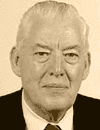
Ian Paisley emphasizes the significance of the blood of the Lamb in his sermon 'Communion', drawing parallels between the Passover in Egypt and the sacrifice of Jesus Christ. He highlights that the blood was preserved and powerful, serving as a protection for the Israelites and symbolizing the ultim

In this sermon, the speaker begins by emphasizing the need for the Holy Spirit to reveal spiritual truths. He then focuses on Ephesians 1:4-14, highlighting that it is one long sentence in the Bible. The speaker explains that the passage discusses the blessings of being adopted into God's family, us
In this sermon, the speaker shares several stories of individuals who had encounters with God and experienced life-changing transformations. One story is about a man who was given only a few hours to live and requested that someone take money from his pocket to pay his rent and bring him a book. The
In this sermon, the speaker discusses four life-changing truths about Jesus and the cross. Firstly, Jesus is portrayed as the hub of history, the fountain of satisfaction, and the embodiment of reality. He is the virgin-born son of Mary, unique from the very beginning, born to die on the cross. Seco
In this sermon, the preacher emphasizes the inseparable connection between the natural and spiritual realms. The central theme is the power and purpose of Jesus Christ, with the key message being that everyone will see his return. The sermon highlights the hope and anticipation of Christ's second co
In this sermon, the speaker discusses the period of time when God spoke through the prophets, which lasted for about four to five hundred years from 840 BC to 420 BC. The major themes of the prophets' messages were suffering and reigning, the first and second coming of Jesus Christ, the remnant, the
In this sermon, the speaker emphasizes the importance of the Abrahamic covenant in understanding God's plan for humanity. The covenant is necessary because it addresses the alienation between man and God caused by man's sinful nature and choices. The speaker references biblical verses such as Amos 3
In this sermon, the preacher discusses the story of Job and how he went from prosperity to poverty, losing everything. Job's friends try to offer religious cliches and worn-out platitudes, but it is only when God speaks that the problem is solved. The preacher emphasizes the importance of humility a
In this sermon, the preacher discusses the importance of living according to the teachings of the Bible. He highlights the books of James, Peter, Colossians, and Philippians as examples of how Christians should live their lives. The preacher emphasizes the authority and imperatives found in the book
In this sermon, the preacher discusses the Edenic covenant and the relationship between God and man. The preacher emphasizes that God requires man to rule for Him and that God determines what is good and evil. The sermon also highlights the importance of recognizing moral issues based on whether God
Paul West reflects on John Newton's poignant imagery of seeing Christ on the cross, emphasizing the transformative power of that moment when the weight of sin is confronted. The sermon highlights the deep emotional impact of Christ's gaze, which conveys both the gravity of our sins and the profound
In this sermon, the speaker discusses his favorite Christmas passage, which is Galatians 4:4-6. He encourages the audience to memorize this scripture and suggests writing it on a card and keeping it visible. The speaker then shares a personal story about a childhood experience in church where he mis

In this sermon, the preacher emphasizes the power of God to overcome sin and conquer all obstacles. Jesus is portrayed as the victorious Lord who came to seek and save those who were lost in sin. The preacher highlights the transformative nature of Jesus' love and redemption, restoring humanity to t
In this sermon, the preacher tells a story about two brothers. One brother commits a crime and asks for help from the other brother. The guilty brother gives his stained clothes to the innocent brother and asks him to take his place. The innocent brother agrees and takes on the guilt and punishment
In this sermon, the preacher emphasizes the importance of truly internalizing and applying God's word in our lives. He highlights the contrast between those who hear the message but remain unchanged, like a duck letting water roll off its back, and those who allow God's word to penetrate their heart

Thaddeus Barnum emphasizes the profound message of Isaiah 53, which foreshadows the gospel of Jesus Christ, revealing our sinful nature and the need for redemption. He warns against the increasing chaos and lawlessness in society, urging believers to shift their focus from self-centeredness to Chris
In this sermon, the speaker discusses the power of the invisible forces that govern people's lives. He uses the example of addiction to illustrate how individuals can be controlled by these forces, even against their own will. The speaker also references the story of the children of Israel in slaver

The sermon transcript emphasizes the importance of immersing oneself in the story of God as told in the Bible in order to live without fear. The speaker draws a parallel to the success of Pixar Studios, stating that their belief in the power of storytelling has led to their empire. The transcript en
Paris Reidhead emphasizes the multifaceted nature of salvation as described in Titus 2:11-14, explaining that salvation encompasses being saved from the purpose, penalty, power, and presence of sin. He urges the congregation to communicate the gospel in relatable terms, avoiding 'halo words' that ma

John Bunyan, in his sermon on his own conversion, recounts his tumultuous journey from a life of sin, characterized by profanity and atheism, to a profound spiritual awakening. Despite his initial zeal for mischief and a hardened conscience, a sermon on Sabbath-breaking ignited a deep internal strug

Michael Koulianos passionately shares the healing power of Jesus, emphasizing that in His presence, miracles abound for those in need of emotional or physical healing. He encourages attendees to lift their hands in faith, proclaiming that Jesus is present to heal and restore. Koulianos reads from Sc
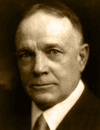
Billy Sunday emphasizes the significance of the atoning blood of Jesus Christ, arguing that it surpasses the old sacrificial system of animals and is central to redemption. He illustrates the necessity of Christ's sacrifice for the cleansing of sin and the restoration of a sinner's relationship with

Shane Idleman delivers a powerful message titled 'Hope for the Fallen,' emphasizing that falling is not the end, but rather the failure to rise again is what truly harms us. He encourages those who have stumbled, particularly in struggles like addiction, to get back up and refocus on God, as there i
Shane Idleman shares his powerful testimony of transformation, emphasizing how God can turn a life of rebellion and wrong turns into one of redemption and purpose. He reflects on his past struggles with addiction, pride, and broken relationships, illustrating how God's grace and the persistent praye
Phil Beach Jr. emphasizes the transformative power of God's promises, highlighting how He brings beauty from ashes and joy in place of mourning. He encourages believers to nourish their new selves in Christ, reminding them that true righteousness and salvation come from God alone, not from human eff

Mariano Di Gangi emphasizes the profound significance of Jesus' final words on the cross, 'I am thirsty' and 'It is finished,' illustrating His humanity and the completion of His redemptive work. He explains that Jesus' thirst symbolizes the weight of humanity's sins, while His declaration of 'It is
Michael Koulianos emphasizes the significance of redemption and the necessity of appearing before the judgment seat of Christ, where believers will be rewarded for their deeds, whether good or bad. He warns against the misconception that grace exempts the church from judgment, urging the congregatio
Mariano Di Gangi explores the trial of Jesus before Pontius Pilate, emphasizing the political and moral complexities surrounding the event. He highlights Pilate's struggle between his disdain for the Jewish people and his fear of losing his position, ultimately leading to the unjust condemnation of

Watchman Nee emphasizes the profound doctrine of redemption, asserting that Jesus Christ's sacrifice is intended for the entire world, as evidenced by various scriptures. He clarifies that while Christ's death is sufficient for all, individual belief is essential for salvation, as faith is the means
Shane Idleman discusses the doctrine of man, focusing on sin and the generational curse, emphasizing that while sin is passed down through the Adamic nature, believers are not cursed but rather have the opportunity for redemption through Christ. He highlights the importance of understanding our iden
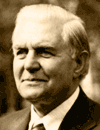
Major Ian Thomas shares the transformative story of the Orca Indians, highlighting how the murderers of missionaries became redeemed through Christ. He emphasizes that regardless of one's past, the power of Jesus' sacrifice can cleanse and regenerate anyone, making them a new creation. Thomas recoun
Major Ian Thomas emphasizes that the Christian life is not merely a religion but a relationship with Jesus Christ, who is both the way to God and the life that sustains believers. He explains that while becoming a Christian is a momentary crisis of faith, being a Christian is an ongoing process of g
Shane Idleman emphasizes that God can use anyone, regardless of their past, to fulfill His purpose. He shares his personal journey from a troubled upbringing and struggles with addiction to finding redemption and purpose in Christ. Idleman highlights the power of testimony and the importance of humi
Shane Idleman emphasizes that God can redeem our past, using the example of Saul's transformation into Paul, who once persecuted Christians. He encourages listeners to stop blaming God for their past mistakes and instead take responsibility, positioning themselves to receive God's grace and directio
Major Ian Thomas emphasizes the transformative power of Christ in the sermon 'Transformed Characters', recounting the story of Kimo, a man who murdered missionary Nate Saint, and later became a pastor after accepting Christ. Thomas illustrates that true transformation comes from being in Christ, whe
Major Ian Thomas emphasizes the concept of redemption through the metaphor of a lamp, illustrating that while we are created with a body and soul, we cannot produce righteousness on our own. He explains that true functionality comes from receiving the life of Christ within us, which enables us to sh

William Booth emphasizes the profound meaning of redemption, explaining that it involves delivering souls from bondage through the sacrifice of Christ's blood. He articulates God's intention to restore humanity to a state even better than that lost through Adam's sin, achieved through Jesus' life, d

D.L. Moody contrasts the beginnings of creation in Genesis with the fulfillment of God's promises in Revelation, illustrating the transformation from the initial state of the world to the ultimate restoration. He highlights key differences such as the creation of the earth and the promise of a new h

A.B. Simpson explores the profound lessons from the Book of Ruth, emphasizing the themes of loyalty, divine providence, and redemption. He highlights Ruth's unwavering commitment to Naomi and her boldness in claiming her rights under the Levirate law, which ultimately leads to her marriage with Boaz
Major Ian Thomas explores the transformation of King Ahasuerus in the book of Esther, illustrating the struggle between the sin principle represented by Haman and the righteousness embodied by Mordecai. He emphasizes that true redemption involves a radical change in character, moving from a state of

R.A. Torrey shares powerful anecdotes illustrating the transformative power of Christ in the lives of individuals from various backgrounds, including a drunken man, a hardened blacksmith, and a desperate thief. Through personal encounters and heartfelt testimonies, he emphasizes that no one is beyon

John Nelson Darby emphasizes the transformative experience of the Christian life as depicted in Philippians 3, highlighting the importance of knowing our complete redemption in Christ. He explains that true deliverance comes from recognizing our lost condition and being made new in Christ, which emp
Peter Brandon addresses the profound question of 'Why did Jesus die?' emphasizing that Christ's death was a sacrificial act for our sins, fulfilling the requirements of justice and love. He illustrates this through a poignant story of a chief who bore the punishment for his mother's crime, paralleli

Andrew Murray emphasizes the centrality of the blood of Jesus in Scripture, illustrating its significance from the Old Testament through the teachings of Jesus and the Apostles, culminating in the Book of Revelation. He highlights that the blood is essential for redemption, forgiveness, and fellowsh

A.W. Tozer emphasizes the contrast between the sinful brotherhood of humanity and the new brotherhood of the redeemed, highlighting that while the Genesis narrative reveals human failure, it also showcases God's unwavering faithfulness. He points out that the natural brotherhood is marked by spiritu
D.L. Moody shares a poignant illustration of sheep in the Scottish highlands that wander into dangerous places, emphasizing the foolishness of their actions and the necessity of the shepherd's intervention. He draws a parallel to humanity, highlighting how people often stray from God and only seek H

John Gill preaches on the theme of Christ as the ransom found, emphasizing the grace of God in providing a means of redemption through Jesus Christ. He reflects on the significance of Job 33:24, illustrating how Christ's sacrifice serves as the ultimate ransom for humanity, delivering believers from
Peter Brandon preaches on the profound significance of Christ's death, emphasizing that the crucifixion was not merely a martyrdom but a divine necessity foretold by prophets throughout history. He explores the dignity of the cross, the physical and spiritual suffering of Jesus, and the mystery behi
Andrew Murray emphasizes the profound significance of humility in the life of Christ and its essential role in our redemption. He explains that pride, stemming from the fall of Adam, is the root of all sin and suffering, making redemption necessary. By understanding the humility of Christ, who empti
A.W. Tozer emphasizes the profound truth of redemption, asserting that the Incarnation of Christ did not involve any compromise on God's part. He highlights the distinction made by early church fathers, affirming that God did not diminish Himself by becoming flesh, but rather took humanity into His
Andrew Murray emphasizes that God's only means of addressing sin and delivering sinners is through the blood of Jesus. He explains that the blood signifies profound grace, encompassing the Incarnation, sacrificial love, righteousness, and substitution, which together facilitate atonement and justifi
John Gill emphasizes the significance of the first prophecy regarding the Messiah found in Genesis 3:15, which foretells the enmity between the serpent and the woman's seed. He explains that this prophecy not only highlights the coming of Jesus Christ but also affirms the fulfillment of Old Testamen

David Wilkerson emphasizes that the fear of failure can be more detrimental than the failure itself, as seen in the lives of biblical figures like Adam, Peter, Jonah, Moses, Jacob, and David, who all faced their fears and ultimately found redemption and purpose. He illustrates that the accuser seeks

J.R. Miller emphasizes that the Cross represents the ultimate expression of divine love, where Christ, embodying God's love, sacrificed Himself for humanity's redemption. He acknowledges the mystery of this love, which is beyond full human comprehension, yet is illustrated through the profound act o
John Nelson Darby emphasizes the necessity of the shedding of blood for the remission of sins, as stated in Hebrews 9. He explains that humanity's disobedience has led to a state of exclusion from God's presence, and without the purging of our conscience through Christ's sacrifice, we cannot hope to
Major Ian Thomas expounds on God's covenant with Abraham, emphasizing that the promise made to Abraham was not merely for a nation but specifically for Christ, the singular seed through whom all nations would be blessed. He explains that the law reveals our inability to meet God's standards, leading
Andrew Murray emphasizes the profound significance of the blood of Christ in the process of redemption, asserting that believers must not only accept their redemption but also seek a deeper understanding of its implications. He outlines the manifold effects of Christ's blood, including reconciliatio

Brother Andrew shares his harrowing experience as a young soldier in 1947, recounting how his bravado led to a tragic incident where he participated in the massacre of innocent villagers after a landmine explosion killed a comrade. This moment of violence haunted him, leading him into a downward spi
A.B. Simpson emphasizes the overwhelming power of grace in his sermon 'Grace Abounding,' illustrating how God's grace surpasses sin through various natural and biblical examples. He explains that just as a tree heals stronger after a wound, God's grace transforms the most sinful into vessels of His
Chuck Smith explores the concept of 'Goel,' or kinsman redeemer, emphasizing the biblical laws of redemption that allow a family member to reclaim lost land or responsibilities. He illustrates this through Naomi's story, where Boaz steps in as the kinsman redeemer to save Ruth and their family line.
G.W. North emphasizes the significance of being a 'chosen generation' as articulated in Peter's first epistle, particularly in 1 Peter 2:9. He explains that the blood of redemption was first shed in Egypt, highlighting the personal nature of the Passover and the necessity for each individual to part
John Nelson Darby emphasizes the significance of atonement in his sermon, asserting that the atonement is rooted in the cross of Christ and His sacrificial blood, which is essential for the remission of sins. He argues that rejecting the divine nature of Christ undermines the glory of His atonement
Watchman Nee emphasizes the unique role of the red heifer in the sacrificial system of Israel, highlighting that while other sacrifices addressed immediate needs, the red heifer was intended for future cleansing. The ashes of the heifer, mixed with water, provided a means of purification for the unc
Andrew Murray emphasizes the unparalleled power of the blood of Jesus, rooted in the understanding that the life of the flesh is in the blood, as stated in Leviticus. He explains that the blood of Jesus carries the eternal life of the Son of God, making it infinitely valuable and powerful for redemp
Andrew Murray emphasizes the profound significance of reconciliation through the blood of Jesus, explaining that it is the foundation of redemption and the first step for sinners seeking to restore their relationship with God. He outlines the necessity of understanding sin, God's holiness, the power
Andrew Murray emphasizes the transformative power of the blood of Jesus in his sermon 'Cleansing Through the Blood.' He explains that while the blood brings reconciliation and pardon for sin, it also provides a deeper cleansing from the pollution of sin, which affects our inner being. Murray highlig

Samuel Logan Brengle emphasizes the theme of redemption and second chances through the story of Peter's denial of Jesus and subsequent restoration. He reflects on Peter's deep sorrow after denying Christ and how Jesus, in His mercy, offered Peter another opportunity to express his love by commanding

T. Austin-Sparks emphasizes the significance of the contrast between the first Adam and the last Adam, Jesus Christ, in God's redemptive plan. He explains that while the first Adam became a living soul, the last Adam is a life-giving spirit, representing a new creation that begins in heaven. The ser
John Gill emphasizes the doctrine of Christ's satisfaction, asserting its critical role in the Christian faith as it relates to redemption and the necessity of atonement for sin. He explains that without Christ's satisfaction, there can be no salvation, as it fulfills the demands of God's justice an

Thomas Brooks emphasizes that the depth of our sins highlights the boundless grace and love of Christ, who extends His favor even to the most unlovely among us. He illustrates this truth through biblical examples like Paul and Mary Magdalene, who, despite their past transgressions, received profound
Erlo Stegen emphasizes that Christmas is God's greatest day because it marks the reopening of the way back to Paradise through the birth of Jesus. He illustrates how God can use even ungodly figures like Caesar to fulfill His divine purposes, as seen in the census that brought Joseph and Mary to Bet
G.W. North explores the concept of the Kinsman Redeemer, emphasizing the multifaceted nature of redemption as presented in both the Old and New Testaments. He highlights that redemption involves purchase, liberation, and a deep relational aspect, particularly illustrated through the story of Ruth an
A.W. Tozer emphasizes that worship is the primary purpose for which humanity was created, highlighting that through sin, we lost our ability to worship God. He explains that true worship involves a heartfelt expression of humility, awe, and love towards God, who is both a mystery and a personal bein

C.H. Spurgeon emphasizes the transformative power of the blood of Jesus, asserting that it is through His sacrifice that individuals are personally washed, reconciled to God, and granted access to Him. He highlights that the blood of Christ provides complete forgiveness for sins, ensuring that no si

R.B. Jones emphasizes the profound significance of Jesus' final statement, 'It is finished' (tetelestai), which encapsulates the completion of the work of redemption. This declaration signifies not only the end of suffering and the payment for sin but also the victory and satisfaction of fulfilling
Andrew Murray emphasizes that Christ is our complete redemption, encompassing wisdom, righteousness, and sanctification. He explains that redemption not only frees us from the guilt of sin but also promises a future deliverance from all its consequences, including the resurrection of our bodies. By

G. Campbell Morgan emphasizes that while the Cross provides the blessing of pardon for sins, it must also address the deeper issue of sin's root within us. He argues that true redemption is not just about forgiveness but about cleansing our consciousness from the defilement of sin, enabling us to se
C.H. Spurgeon emphasizes the profound significance of the precious blood of Christ, highlighting its redeeming and atoning power that reconciles believers to God and cleanses them from all sin. He illustrates how this blood not only purifies but also preserves, offering safety and comfort under its
D.L. Moody shares a powerful story about a coal miner who, despite his rough exterior and reputation, encounters the transformative love of Christ during a meeting. Initially skeptical of Moody's message, the collier is moved to tears by the sermon focused on love, leading him to seek salvation. Upo
D.L. Moody shares a poignant story about a young boy from Newcastle-on-Tyne who, despite his parents' love and care, fell into a life of crime and ultimately faced dire consequences. After serving ten years in prison, he returned home only to find that his family had been shattered by his actions; h
C.H. Spurgeon emphasizes the profound compassion of Jesus, who came to earth not for business but solely to save humanity. Unlike the Samaritan who helped out of circumstance, Jesus willingly entered our suffering, experiencing the full weight of our sins and wounds. He was not just a bystander but
T. Austin-Sparks emphasizes the importance of gratitude and the need for divine assistance in our lives, acknowledging God's mercy and faithfulness. He explores the Gospel of Luke, highlighting its focus on the mission and message of Jesus Christ, particularly how it addresses the lost state of huma

George Müller reflects on his life before his conversion, acknowledging the wasted years spent in sin and moral degradation. He candidly shares his struggles with theft, deceit, gambling, and alcoholism, illustrating the depths of his depravity. Müller's testimony serves as a powerful reminder of th
John Gill addresses the corruption of human nature, emphasizing that all individuals inherit a depraved nature from Adam's sin. He argues that this universal corruption is acknowledged by both heathens and scripture, asserting that no one is born pure and that all are under the dominion of sin. Gill
John Gill preaches on the profound concept of redemption through Christ, emphasizing that it is a vital blessing of grace stemming from His priestly office. He explains that redemption signifies being bought back, highlighting how Christ's sacrifice serves as the ultimate price for our freedom from
Thomas Brooks preaches about the profound redemption found in Christ's blood, emphasizing that no sin is too great to be forgiven through His sacrifice. He reflects on the covenant of redemption, which assures believers that even the most heinous sins cannot stand against the infinite merit of Chris
John Gill emphasizes the profound nature of redemption in his sermon on 1 Peter 1:18, explaining that believers are not redeemed with corruptible things like silver and gold, but through the precious blood of Christ. He highlights that the soul's worth far exceeds material wealth, and true redemptio
John Gill emphasizes the significance of the precious blood of Christ as the ultimate price for redemption, highlighting its innocence and divine nature. He explains that Christ's blood, likened to a lamb without spot or blemish, serves as a perfect sacrifice, fulfilling Old Testament prophecies and
John Gill expounds on 1 Peter 3:18, emphasizing that Christ suffered not for His own sins, but for the sins of His people, enduring immense pain and sorrow throughout His life and culminating in His death on the cross. He highlights that Christ's singular sacrifice is sufficient for the remission of
C.H. Spurgeon emphasizes the necessity of redemption through the metaphor of the unclean donkey, which represents humanity's sinful nature. He explains that while the donkey is rightfully God's, it cannot be offered as a sacrifice due to its uncleanliness, necessitating the substitution of a lamb. T
David Wilkerson emphasizes God's unwavering willingness and power to save even the most hardened sinners, as seen in the plight of Judah who doubted His ability to redeem them from their deep-seated sins. He challenges the belief that some individuals are beyond hope, reminding us that God's arm is
Chuck Smith explores the creation narrative in Genesis 2-3, emphasizing God's completion of creation and the establishment of the Sabbath as a day of rest. He discusses the significance of free will, highlighting how Adam and Eve's choice to eat from the tree of knowledge led to humanity's fall and
J.R. Miller emphasizes the profound love and sacrifice of Jesus Christ as our Savior and Redeemer, urging believers to recognize the depth of His mercy and grace. He calls for a heartfelt response to Christ's love, encouraging a life of purity and devotion that reflects our ownership by Him. Miller

F.B. Meyer reflects on Naomi's journey from bitterness to blessing, emphasizing that God's plans often unfold in ways we cannot immediately understand. Despite her losses, Naomi's return to her homeland brought her closer to God's provision and the love of Ruth, who became a source of joy and hope.
John Nelson Darby explores the profound lessons from Israel's journey through the Red Sea and into the wilderness, emphasizing God's grace and deliverance despite Israel's fears and complaints. He illustrates how the Red Sea represents full redemption, contrasting it with the Passover, and highlight
David Wilkerson emphasizes the transformative power of the blood of Jesus, which serves as a singular sacrifice capable of cleansing and healing. He reassures listeners that no sin is too great to be forgiven and encourages them to return to God like the prodigal son. Wilkerson urges believers to re
Watchman Nee emphasizes the significance of the name Immanuel, meaning 'God with us,' as the foundation of redemption initiated by the birth of Jesus in Bethlehem. He highlights the humble beginnings of this divine event, witnessed only by a few shepherds, and how Jesus embraced his identity as both
G. Campbell Morgan explores the journey from creation to Christ, emphasizing that God is love and the origin of all things. He discusses the significance of creation, the fall of man, and the subsequent history of humanity, highlighting God's continuous presence and guidance. Morgan illustrates how

Horatius Bonar emphasizes the significance of Jesus as the Seed of the Woman, highlighting His dual nature as both fully human and fully divine. He traces Jesus' ancestry, showing His connections to humanity through a lineage that includes both Jews and Gentiles, the royal and the lowly, the holy an
Watchman Nee emphasizes the significance of Abraham as the starting point of God's redemptive plan, highlighting that while Adam introduced sin, it was through Abraham that God began to address the issue of racial sin and establish a people for Himself. Abraham's call was not just for personal bless
G. Campbell Morgan emphasizes the profound significance of the Cross of Christ, illustrating how it serves as the central channel of redemption, offering pardon, purity, peace, and power to believers. He reflects on the questions posed by Paul in Romans 8, highlighting the assurance that nothing can
A.W. Tozer addresses the complexities of the Christian experience, acknowledging that even true believers can hurt one another due to the ongoing struggle between light and shadow in their lives. He emphasizes that while Christians may find themselves in contradictions, they are in the process of be
T. Austin-Sparks emphasizes that the Incarnation is central to understanding the truth of Jesus Christ, asserting that true knowledge of God comes through a personal relationship with Him. He explains that the Incarnation serves three primary purposes: the reclamation of man from sin, the reconstitu
T. Austin-Sparks emphasizes that Christ, as the Heavenly Man, embodies eternal life, which is the essence of His being and the foundation of redemption. He explains that eternal life was part of God's original intention for humanity, and through Christ, believers can access this divine life, which i
T. Austin-Sparks emphasizes the profound significance of the parable of the treasure hidden in the field, illustrating how Jesus, the Son of Man, sacrificed everything to redeem the world and secure a people for His Name. He explains that while Christ purchased the entire field, the true treasure is
T. Austin-Sparks emphasizes the many-sided riches of God's grace as depicted in Revelation 21:19, where the foundations of the city are adorned with precious stones. He illustrates how God's grace transforms flawed individuals, like Jacob and the twelve apostles, into vessels of mercy, showcasing th
T. Austin-Sparks emphasizes the greatness of God's grace as illustrated through the life of David, who, despite his grievous sins, found mercy and redemption in God. He highlights that Jesus, referred to simply as 'I Jesus,' connects Himself to David, showcasing that God's grace surpasses even the m
George Mueller draws parallels between his early life and the parable of the Prodigal Son, illustrating a journey of rebellion and unrepentant sin. Raised with little parental control, he engaged in theft and deceit, mirroring the waywardness of the Prodigal Son. Despite his intelligence and potenti
John Gill preaches on the specific objects of redemption by Christ, emphasizing that redemption is not universal but rather directed towards a distinct group of people whom God loves and has chosen. He explains that these individuals are described as a peculiar people, the elect, and the church, hig
F.B. Meyer emphasizes the profound assurance found in the declaration 'I know that my Redeemer liveth,' reflecting the unwavering faith of believers in the living Christ who triumphs over death and suffering. He explains that Job's understanding of 'Redeemer' as a kinsman avenger signifies hope and

John Owen emphasizes that all truth about God and ourselves is found in the Scriptures, which reveal God's nature as an eternal and holy Spirit, the existence of one God in three persons, and His decrees and works. He explains that humanity fell from grace through sin, and the only way to redemption
Thomas Brooks emphasizes the transformative power of the Holy Spirit, illustrating how a worldly person can be radically changed from a 'wolf' into a 'man'--from a sinner into a saint. He uses the example of Zaccheus, who was once consumed by worldly desires, to highlight the miraculous nature of su
Thomas Brooks emphasizes the tragic transformation of humanity from the pinnacle of creation to the depths of depravity following the fall. He describes how man, once created in God's image and filled with holiness, has become an abomination to God and a burden to heaven, enslaved by sin and Satan.
Thomas Brooks emphasizes the profound nature of redemption through Christ, explaining that believers are redeemed from sin and its consequences by the ultimate sacrifice of Jesus. He highlights that this redemption is not only complete but also free and gracious, satisfying divine justice and pacify
Major Ian Thomas emphasizes the profound relationship between the sinner and Christ, illustrating that Jesus is all that a guilty sinner needs for redemption. He encourages individuals to recognize Christ's wounds as the marks of salvation and to trust in Him for forgiveness and life through the Hol

K.P. Yohannan explores Jacob's life story, emphasizing that despite his deceitful actions and wasted years, God still identifies Himself as the God of Jacob, showcasing His ability to transform failures into something beautiful. Jacob, who was given a divine promise, chose a path of deception, yet G
John Gill emphasizes the transformative journey of believers as depicted in 1 Peter 2:25, illustrating how they were once lost sheep, straying from the Shepherd, but have now been brought back through the grace of God. He explains that this return is not by their own efforts but through the powerful
John Gill preaches about the quiet and easy passage of Christ's purchased people through death to glory, drawing parallels between the Israelites' crossing of the Red Sea and the believer's journey through death. He emphasizes that Christ has redeemed a distinct people, who will safely navigate the

A.W. Pink expounds on 'The Parable of the Treasure' from Matthew 13:44, emphasizing that the treasure represents Israel, hidden in the world, and that the man who finds it symbolizes Christ. He critiques common interpretations that equate the treasure with the Gospel and the field with the Scripture
Chuck Smith emphasizes that the Bible serves as God's revelation to humanity, designed to foster a loving relationship with Him. He explains that while nature reveals God's existence and wisdom, it falls short of conveying His love and the means to experience it. The sermon outlines God's role as th
Chuck Smith emphasizes that our past is filled with sin, and while many wish to forget it or attempt to reform themselves, they often find it challenging to break free from habitual routines. He asserts that true reformation is possible through the transformative power of Christ, as only His blood c
Chuck Smith emphasizes the dual nature of the Christmas story, highlighting both the human aspect of Christ's birth and the divine significance of God giving His Son. He explains that Jesus, the only begotten Son of God, was given to redeem humanity after sin marred God's original plan for fellowshi
J.R. Miller emphasizes that the Cross was a constant presence in Jesus' life, shaping His purpose from infancy to His final days. Unlike others who aspire for worldly success, Jesus was destined for sacrifice, with the shadow of the Cross looming over Him even in moments of joy. He openly taught abo
J.R. Miller emphasizes the profound love of the Good Shepherd, illustrating how Christ's heart aches for each lost soul, just as a mother would miss a wandering child. He highlights the lengths to which the Good Shepherd goes to seek out the one lost sheep, demonstrating that no one is too insignifi
J.R. Miller emphasizes the concept of redemption in Christ as outlined in Romans 3:19-26, illustrating that all humanity stands guilty before God's law, unable to justify themselves through their own works or morality. He explains that while the law reveals our sinfulness and inability to meet its d
F.B. Meyer reflects on the letter to Philemon, emphasizing how our everyday interactions can embody the spirit of Christ. He draws parallels between Onesimus and our relationship with Jesus, highlighting that just as Onesimus became dear to Paul, we too are cherished by Christ. Onesimus, once unprof
Erlo Stegen preaches about Jesus as our Passover Lamb, emphasizing His sacrificial role and the profound love of God that led to His suffering for our sins. He highlights the prophetic nature of Isaiah's words about Jesus, who was marred and crushed for our iniquities, and how His blood serves as th
G.W. North emphasizes the distinction between redemption and atonement in his sermon, explaining that while redemption is foundational to both the Old and New Testaments, atonement is specific to the Old Testament and the Law given to Israel. He clarifies that atonement, which involved various sacri
R.A. Torrey's sermon 'Found Wanting' emphasizes the dire consequences of living without reverence for God, illustrated through the story of Belshazzar's feast in Daniel 5. He highlights how Belshazzar was weighed in God's balances and found wanting due to his pride and idolatry, urging listeners to
R.A. Torrey's sermon on 'The Death of Jesus' explores the profound events surrounding Christ's crucifixion, focusing on the transformation of the dying robber who, recognizing his sinfulness, turns to Jesus in faith and receives the promise of Paradise. Torrey emphasizes the significance of Jesus' s
John Nelson Darby emphasizes two profound truths in his sermon: the utter ruin of our flesh and the incredible grace we receive through Christ's redemptive work. He illustrates how King David, despite his grave sins, recognized his condition before God, leading to true repentance and transformation.
John Nelson Darby expounds on Philippians 3, emphasizing the transformative power of redemption that elevates Christians to a new standing before God, distinct from their earthly existence. He highlights that through the cross, believers are not only forgiven but also brought into a new creation, wh
David Wilkerson emphasizes the relentless love of the Shepherd, who seeks out the lost sheep, representing those who have strayed from God's fold. He illustrates that no matter how far one has fallen into sin, God will pursue them with unwavering commitment, bringing them back into His embrace. The
A.B. Simpson delivers a profound sermon on 'The Suffering Savior,' emphasizing the deep suffering and sacrifice of Jesus Christ as foretold in Isaiah. He illustrates how Christ's lowly birth, rejection, and ultimate sacrifice were essential for the redemption of humanity, portraying Him as the Man o
A.B. Simpson's sermon 'Emblems From Their Bondage and Redemption' explores the bitter bondage of the Israelites in Egypt as a metaphor for the enslavement of sin and Satan. He emphasizes that just as God delivered Israel from Pharaoh's oppression, He offers redemption from our spiritual adversaries
G. Campbell Morgan delivers a powerful sermon on 'The Message of Jeremiah,' emphasizing the prophet's role as God's spokesman during a time of national decline and spiritual darkness. He highlights three key themes: God's judgment of sin, the suffering of God due to sin, and the ultimate victory ove
A.W. Tozer emphasizes the profound suffering Jesus endured for humanity's sins, highlighting that He was wounded for our transgressions and bruised for our iniquities. He critiques society's tendency to focus on trivial matters while neglecting the weighty issues of sin and redemption. Tozer calls f
G. Campbell Morgan emphasizes the necessity of the Cross in the Christian life, expressing a deepening awareness of its significance for healing and renewal. He reflects on the profound mystery of Christ's sacrifice, acknowledging that sin is not trivial and carries serious consequences. Morgan high

Zac Poonen emphasizes that despite past failures and sins, individuals can still fulfill God's perfect plan for their lives. He illustrates that God's ability to create beauty from chaos, as seen in the creation narrative, reflects His power to redeem and restore even the most broken lives. Poonen r
Horatius Bonar emphasizes that Christ's role as the Substitute is essential for understanding His sacrifice for sinners. He argues that if Christ did not die as the Sin-bearer, then His death is meaningless. Bonar clarifies that Christ's deliverance is not merely a risk or a small sacrifice; rather,
C.H. Spurgeon emphasizes that God's people can become captives to sin, leading to a loss of freedom and joy in their relationship with God. He reminds us that despite this bondage, there is hope for redemption through Jesus Christ, who has paid the price for our freedom. The path to liberation invol
A.W. Tozer emphasizes the ultimate goal of Christ's redemptive work, which is to expel sin, the source of division in the universe, leading to the unification of all creation. He explains that while humans experience time linearly, God exists outside of time, where history and prophecy converge in H
A.W. Tozer emphasizes that all life originates from God, who is not a distant creator but the very essence of life itself. He explains that the miracle of life is a continuous flow from God, who is the fountainhead of existence, and that eternal life is not merely a gift but God's very being. Tozer
A.W. Tozer emphasizes that due to our transgressions against God's holy laws, we are unworthy of heaven. However, he rejoices in the truth that through Christ's death and resurrection, every legal hindrance to our salvation has been removed. Tozer urges believers to stop relying on their own reasoni
A.W. Tozer emphasizes the tragic reality of hell as a final destination for those who reject God's love and service. He reflects on the unique potential of humanity, created in God's image, and the divine offer of conversion and forgiveness available to all. Tozer laments that despite this potential
A.W. Tozer emphasizes the Christian responsibility to believe and obey God's Word, urging believers to practice virtues through the Holy Spirit as they await Christ's return. He reflects on the crucifixion of Jesus, noting that despite the evil actions of men, they could not change His divine nature
G. Campbell Morgan emphasizes the profound sacrifice of Jesus, who, despite the mockery and temptation to save Himself, chose to endure the cross for the sake of humanity. He highlights the significance of the three hours of darkness, during which Jesus could not save Himself, illustrating His unwav
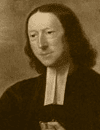
John Wesley preaches on the purpose of Christ's coming, emphasizing that Jesus was manifested to destroy the works of the devil, which are sin and its consequences. He argues that human efforts to attain virtue are insufficient without divine intervention, as true change comes only through faith in
C.H. Spurgeon reflects on the concept of the King's garden, contrasting the paradise lost due to sin with the hope found in Gethsemane, where Christ's suffering redeemed humanity. He emphasizes the fall of man and the resulting curse, urging believers to remember their own part in this tragedy. Spur
C.H. Spurgeon emphasizes that the gospel is specifically designed for sinners who recognize their transgressions and seek forgiveness, as it is these individuals who truly value the grace of justification. He illustrates that God's mercy is directed towards the guilty and self-condemned, highlightin
T. Austin-Sparks emphasizes the fundamental matter of worship as central to the work of God, illustrated through Nehemiah's efforts to rebuild Jerusalem's wall, which symbolizes the restoration of true worship. He contrasts Jerusalem, the place of God's worship, with Babylon, the center of false wor
T. Austin-Sparks explores the profound significance of the Cross in the context of redemption, emphasizing that it represents a divine crisis where sin, righteousness, and judgment converge. He articulates that the incarnation and earthly life of Jesus were essential for the reconstitution and glori
John Nelson Darby expounds on Matthew 27, illustrating the tragic betrayal of Jesus by Judas and the subsequent actions of the Jewish leaders who, despite their guilt, sought to avoid defilement from the blood money. He highlights the innocence of Christ as He stands before Pilate, who ultimately su
Thomas Brooks emphasizes the significance of Christ's precious blood as the means of redemption, contrasting it with perishable things like silver and gold. He illustrates that all blessings, including pardon, peace, and reconciliation, flow from this invaluable sacrifice. Brooks highlights that Chr
F.B. Meyer emphasizes the importance of calling upon the Lord in times of distress, assuring that God hears our cries and responds with redemptive help. He illustrates how God redeemed David from unjust accusations and various afflictions, highlighting the necessity of entrusting our causes to God f
John Nelson Darby expounds on the Book of Exodus, emphasizing the themes of deliverance and redemption for God's people. He illustrates how God, in His longsuffering, provided a way for His unfaithful people to approach Him, despite the veil that separated them from His presence. Darby contrasts the
F.B. Meyer reflects on the significance of the names Adam, Sheth, and Enosh, emphasizing that while their lives may seem insignificant in the grand scheme of history, each played a vital role in the progression of humanity. He notes that like flowers that bloom from a long process of growth, every i
F.B. Meyer emphasizes that no sinner should despair of God's mercy, using the story of Manasseh, who committed numerous sins yet found redemption in his affliction. After being taken captive and suffering greatly, Manasseh humbled himself and earnestly prayed, leading to God's gracious response and
John Gill preaches on the causes of redemption by Christ, emphasizing that it originates from God's everlasting love, grace, and mercy. He explains that Christ, appointed as the Redeemer, willingly accepted this role, demonstrating His love through His sacrificial death. The sermon outlines the mean
William MacDonald emphasizes the inescapable consequences of sin, illustrating that while it may initially appear harmless, it ultimately leads to destruction and despair. He recounts the cautionary tale of a brilliant author who, despite his talents and success, succumbed to vice and faced a tragic
Zac Poonen emphasizes that God uses those who have failed, as exemplified by Peter, who became a compassionate apostle only after denying Jesus three times. This failure was not God's perfect will, but it served a purpose in Peter's life, making him tender and sympathetic towards others who stumble.
Thomas Brooks emphasizes the immense suffering that Jesus endured for humanity's salvation, portraying it as a 'sea of blood, wrath, sin, sorrow, and misery.' He highlights Christ's unwavering resolve to bear the weight of divine wrath and the punishment for our sins without complaint. Brooks reassu
Thomas Brooks emphasizes that even the most unrighteous individuals, as described by the Apostle Paul, can receive God's infinite grace and mercy. He reassures despairing souls that their unworthiness does not hinder God's ability to forgive and justify them through Christ. Brooks encourages listene
Thomas Brooks emphasizes that the most impressive acts of service performed by those who are unregenerate are ultimately meaningless, as they lack the foundation of spiritual life. He warns that such works lead to spiritual death and carry a sentence of condemnation until one is redeemed by the bloo
Thomas Brooks emphasizes the immeasurable and transcendent love of Christ, which remains unwavering despite humanity's extreme misery and rebellion. He marvels at the paradox of Christ's incarnation and suffering, illustrating how the Creator became a creature and endured immense wrath for the sake
Thomas Brooks emphasizes the profound significance of Christ's death, explaining that Jesus bore the full punishment for our sins, both in body and soul, to satisfy divine justice. He highlights that Christ experienced the anguish and horror of God's wrath, enduring the equivalent of eternal sufferi
Thomas Brooks emphasizes the two monumental undertakings of Jesus Christ: His suffering for the sins of the elect and His perfect conformity to God's law. He explains that Christ bore the infinite wrath of God for all the sins of His chosen ones, providing full satisfaction for divine justice throug
Thomas Brooks expounds on the profound love of God as expressed in John 3:16, emphasizing that God gave His only-begotten Son, highlighting the uniqueness and depth of this love. He reflects on the fallen state of humanity, illustrating how God, in His mercy, offered His Son to redeem mankind from s
Thomas Brooks emphasizes the profound truth that God has provided a ransom for humanity's sins through the death of His Son, Jesus Christ. He explains that no angel or human could devise a means of redemption, but it was God's infinite wisdom that revealed this plan from His own heart. The sermon hi
Thomas Brooks emphasizes the profound assurance that the blood of Jesus Christ cleanses believers from all sins, providing them with eternal security from the fires of hell. He draws a parallel between the protection of the three Hebrew children in Nebuchadnezzar's furnace and the safety believers h
K.P. Yohannan addresses the feelings of despair and hopelessness that arise when we face the consequences of our sins, reflecting on how we often feel consigned to 'second best' after making poor choices. He draws parallels to biblical figures like Adam and Eve, Samson, and John Mark, who experience

John Sung preaches about the profound transformation of the thief on the cross, who, amidst mockery and despair, recognized Jesus as Lord and defended Him when no one else would. This thief's confession and faith in Jesus' kingdom highlight the depth of God's grace, as he was promised paradise despi
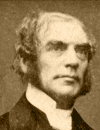
Octavius Winslow emphasizes the unwavering love and redemption of God for His servants, contrasting the fleeting nature of earthly relationships and joys with the eternal and unchanging affection of the Father in heaven. He encourages believers to turn to God in times of adversity and loss, remindin
Chuck Smith explores the theme of denial through Peter's experience, emphasizing the bitter taste of personal failure and the struggle of believers who, despite their commitment to Christ, may falter. He highlights Jesus' warnings to Peter about the dangers of pride, the need for prayer, and the con
Chuck Smith discusses Peter's bitter defeat as he denies Jesus three times, despite his sincere devotion and commitment. Peter's failure stemmed from self-confidence and challenging the Word of God, leading him to deny his Lord in a moment of weakness. The sermon emphasizes that failure is not the e
Chuck Smith explores the concept of slavery in relation to spiritual bondage, emphasizing that all men are born into sin and under the lordship of Satan. He discusses the conditions of a slave, the deceptive control of sin, and the hope for redemption through a compassionate master. Smith highlights
Chuck Smith explores the story of Ruth, emphasizing her destitute condition after losing her husband and her commitment to care for Naomi. He highlights Boaz's love and protection for Ruth, illustrating how God's love similarly watches over us, often unnoticed. The narrative culminates in Ruth's bol
Chuck Smith preaches on the life of Manasseh, one of Judah's most notorious kings, who turned from his early training and led the nation into sin and idolatry. Despite his boldness in sinning and leading others astray, Manasseh's story takes a transformative turn when he is taken captive to Babylon,
Chuck Smith explores the theme of worth in his sermon 'What Are You Worth?' by emphasizing the vastness of God compared to human insignificance, as illustrated in Job's experience. He highlights that despite our attempts to elevate our self-worth through pride or material possessions, we ultimately
K.P. Yohannan emphasizes that the fall of man did not thwart God's ultimate plan for humanity, as evidenced by the prophecy of the coming Messiah in Genesis 3:15. He argues that the cross was not a backup plan but rather God's greatest gift, revealing His profound love for mankind, surpassing even t
K.P. Yohannan explores the theme of creation and the fall, emphasizing that everything God created was initially good, but something went wrong, leading to a state of formlessness and darkness. He highlights the transition from God's perfect creation to the chaos that ensued, possibly due to Lucifer
K.P. Yohannan shares the transformative story of Roy, who, after contemplating suicide following a friend's death, found hope and restoration through a Christian radio broadcast. His life, once lost in sin, became a beacon of light as he married and dedicated himself to serving the poor in North Ind
K.P. Yohannan reflects on the moments in life when we experience deep regret and shame, much like Peter after denying Jesus. He emphasizes that everyone faces times when their aspirations and commitments crumble, leaving them feeling lost and broken. The sermon draws parallels between Peter's bold d
K.P. Yohannan emphasizes the transformative power of God through the life of Jacob, a man who, despite his deceitful actions and failures, was chosen by God and ultimately transformed from a deceiver to a 'Prince of God.' The sermon highlights that God's identity as 'the God of Jacob' serves as a re
K.P. Yohannan emphasizes that the Bible presents the unvarnished stories of spiritual giants like Moses, Elijah, and David, showcasing their flaws and failures without any cover-up. He highlights Moses' journey from a life of privilege to a period of despair after committing murder, and how he initi
Chuck Smith emphasizes the profound significance of God's only begotten Son, Jesus Christ, who was sent to redeem humanity. He discusses the various attempts by Satan to thwart Jesus' mission, including the massacre of infants and the temptations faced during His ministry. Smith highlights the proph
Chuck Smith emphasizes the significance of understanding the parable of the hidden treasure in Matthew 13:44, illustrating the conflict between the kingdom of darkness and the kingdom of light. He explains that Jesus, the man who discovered the treasure, gave everything to redeem humanity from darkn
Chuck Smith emphasizes the exceeding sinfulness of sin, explaining that many misunderstand the nature of sin by reducing it to mere physical acts. He highlights the importance of recognizing sin's depth and its psychological implications, arguing that true understanding of sin is essential for salva
Chuck Smith preaches on the profound implications of being forsaken by God, emphasizing that Jesus bore the sins of the world, which led to His separation from the Father. He explains that sin creates a barrier between humanity and God, and that Jesus experienced the ultimate agony of this separatio
Chuck Smith explores the significance of the stone over the door of Jesus' tomb, emphasizing what lay behind it: a dead concept of God, a dead passion to redeem, and a dead religion. He highlights how humanity rejected the true nature of God revealed in Christ, the hope of redemption, and the essenc
Chuck Smith explores the Parable of Lost Things in Luke 15:3, emphasizing the themes of loss, seeking, and rejoicing. He illustrates the work of the Son in salvation through the lost sheep, highlighting Jesus' relentless pursuit of the lost in a harsh world. The lost coin represents the Holy Spirit'
Chuck Smith emphasizes the joy of finding the lost, as illustrated in Luke 15, where the lost sinner is sought by Christ. He discusses the futility of seeking fulfillment outside of God, highlighting how people often waste their God-given resources on temporary pleasures, leading to spiritual emptin
Chuck Smith explores the significance of Jesus being crucified between two thieves, emphasizing that this was no accident but a divine plan to demonstrate the depths of His willingness to redeem humanity. He highlights how both thieves were guilty yet one received grace, illustrating that salvation
Chuck Smith emphasizes the profound cost of redemption, highlighting that it was not achieved through material wealth but through the sacrificial death of Jesus Christ, God's only Son. He explains that Jesus left the glory of heaven to endure shame and suffering on earth, ultimately giving His life
Chuck Smith emphasizes the significance of Jesus being crucified between two thieves, illustrating God's willingness to descend to the depths to save humanity. He highlights the contrasting responses of the two thieves, one who reviles and one who repents, showcasing the sovereignty of God in salvat
J.R. Miller reflects on the tragic denial of Jesus by Peter, a man who was deeply devoted and favored among the apostles. Despite his strong faith and close relationship with Jesus, Peter's self-confidence led to his downfall, as he failed to remain vigilant and instead sought comfort among those wh
J.R. Miller reflects on the profound devotion of Mary Magdalene to Christ, emphasizing that her love stemmed from a deep understanding of her redemption. Despite being traditionally labeled a great sinner, the New Testament does not support this view, instead highlighting her transformation through
F.B. Meyer emphasizes the profound truth that believers are sealed with the Holy Spirit, highlighting the immense cost of their redemption through Christ's blood. He explains that while our bodies are owned by God, they await full redemption, and we are called to live as His workmanship, created for
K.P. Yohannan shares a powerful message about hope in Jesus, recounting the story of a brilliant young man who, despite his extensive knowledge of theology, felt spiritually bankrupt. The preacher emphasizes that true hope and fulfillment come not from our accomplishments or knowledge, but from a pe
K.P. Yohannan shares the story of Roy, a young man who spiraled into despair after abandoning his promising future due to bad choices and addiction, leading to a moment of deep regret and disbelief in his actions. He parallels Roy's experience with Peter's denial of Jesus, emphasizing the pain of re
David Wilkerson emphasizes the power of being redeemed by the blood of Jesus, contrasting the struggle of striving for righteousness in our own strength with the true righteousness that comes through faith in Christ. He encourages believers to stop listening to the lies of the devil and to boldly de
David Wilkerson emphasizes that through Adam's sin, humanity became sinful, but through Jesus' sacrifice, we are made righteous. He explains that the law was given by God to reveal our inability to meet His standards and to show us our need for a Savior. The Pharisees attempted to fulfill the law th
David Wilkerson preaches about the significance of Jesus as our High Priest, drawing parallels between the Old Testament practices of atonement and Christ's ultimate sacrifice. He explains how the high priest's annual entry into the Holy of Holies, with the blood of a bullock, symbolizes Jesus' deat
Erlo Stegen preaches on the profound significance of Jesus' declaration 'It is finished' from John 19:30, emphasizing that this single word encapsulates the depth of God's love and the completion of Christ's redemptive work. He illustrates the concept of freedom through a parable of a slave girl sav
Erlo Stegen emphasizes that humanity was created in God's image, but through Adam's disobedience, we fell from that image. He explains that Seth, born after Adam's fall, represents 'compensation' for this loss. Stegen warns that the consequences of sin affect not only individuals but also their fami
G.W. North explores the dual nature of Christ as both the Lion of Judah and the Lamb of God, emphasizing how these titles reflect different perspectives on His identity and mission. The elder around the throne sees the Lion as the victorious King, while John, with his human perspective, sees the Lam
G.W. North emphasizes God's promise to Abraham and the significance of the lamb in the redemption of His people from Egypt. He explains how God, through Moses, initiated the final plague that required each household to sacrifice a lamb, whose blood would protect them from judgment. This act symboliz
G.W. North emphasizes the significance of the Tabernacle as God's dwelling place among the Israelites, illustrating how it was meticulously designed according to divine specifications to reflect God's holiness and the redemptive relationship He established with His people. He explains that the Taber
G.W. North emphasizes the significance of Jesus as the Lamb of God and the Firstborn, illustrating how God redeemed His people from Egypt without initially addressing sin, as the Law had not yet been given. He explains that redemption makes believers God's own, while atonement maintains that relatio
G.W. North expounds on the doctrine of justification as revealed by Paul, emphasizing that justification is a gift of grace through the redemption found in Christ Jesus. He illustrates how the Old Testament practices, particularly the Day of Atonement and the Ark of the Covenant, foreshadowed Christ
G.W. North emphasizes the profound mystery of redemption through the blood of Christ, as articulated by Paul in the Colossian letter. He highlights that redemption is not merely a fact but a transformative experience that connects believers to the identity of Christ, underscoring the significance of
G.W. North emphasizes the significance of the blood of Jesus as the ultimate cleansing agent for sin, contrasting it with the Old Testament sacrifices. He explains that while the blood of bulls and goats provided temporary atonement, the blood of the Lamb offers permanent redemption and sanctificati
G.W. North emphasizes the significance of the cross in relation to redemption, explaining how Christ's crucifixion was necessary to lift the curse of sin that originated from Adam and Eve's disobedience in the Garden of Eden. He illustrates that the cross represents both the depth of human sin and t
G.W. North emphasizes that true redemption is made effective through the outpouring of the Holy Spirit, paralleling the experience of ancient Israel in Babylon with the promise of salvation. He explains that baptism in the Spirit is essential for experiencing redemption in Christ, as it connects bel
G.W. North emphasizes the profound significance of the cross in his sermon 'So Great a Death', explaining that God, in His wisdom and reason, revealed to Paul the reasoning, purpose, and power behind the cross. Paul understood that while all humanity died with Adam, not all are made alive in Christ,
Zac Poonen emphasizes that past failures do not disqualify individuals from fulfilling God's perfect plan for their lives. He illustrates that just as God created a beautiful world from chaos, He can transform our failures into something glorious. The sermon highlights that God's grace allows for re
G.W. North explores the paradox of how breaking, which symbolizes disunion, serves as the testimony of union with God. He emphasizes that the mystery of redemption is rooted in the act of making common, allowing humanity to enter into the divine communion that was previously unbroken. Through the sa
G.W. North emphasizes the profound significance of Christ's blood, which was shed not for all creation but for many, highlighting the mystery of His sacrifice and its implications for the Church. He explains that while the physical blood of Jesus was still in His veins during the Last Supper, He spo
G.W. North emphasizes the significance of Golgotha as the divinely appointed site for the ultimate sacrifice, where Jesus, despite the brutality of crucifixion, fulfilled God's eternal plan. He highlights that the power to crucify Jesus was granted by God, illustrating that only divine authority cou
G.W. North emphasizes the revolutionary nature of the New Covenant established by Jesus during the Last Supper, where He instructed His disciples to drink from the cup representing His blood. This act signifies a profound internal transformation rather than an external ritual, as Jesus invites belie
G.W. North emphasizes the profound significance of John the Baptist's declaration, 'Behold the Lamb of God which taketh away the sin of the world,' noting its singular mention in the context of sin and redemption. He highlights the deliberate brevity of John's message, which encapsulates the monumen
T. Austin-Sparks emphasizes the singular devotion of Christ as our Redeemer, illustrating how Ruth's faith led to her receiving a greater inheritance through Boaz, symbolizing the abundant blessings found in Christ. He highlights that Ruth's decision to follow Naomi and embrace her God was a profoun
John Nelson Darby emphasizes that redemption brings believers into peace and rest in God's presence, highlighting that true Christian life stems from this relationship. He explains that while we are called to walk in obedience, it is through recognizing our death with Christ that we find true libert
John Nelson Darby emphasizes the dual themes of judgment and deliverance in the context of the Passover and the Red Sea. He explains that God's judgment is universal and that the world is already condemned due to unbelief, while the blood of the Passover lamb signifies salvation for those who submit

H.J. Vine emphasizes the profound themes of peace, redemption, and justification in his sermon on Romans, highlighting that true peace comes from God and is a result of our relationship with Him. He explains that believers are called to live in the liberty of grace, free from the bondage of sin and
John Nelson Darby discusses the position of man and the world before God, emphasizing the historical context of humanity's fall from grace and the introduction of the law. He explains how, despite man's disobedience and the resulting separation from God, divine grace provided a path to redemption th
John Nelson Darby reflects on the profound sorrow and humility of Jesus, the 'Man of Sorrows,' who entered the world as a homeless child in a manger to share in our suffering and to bring us closer to God. He emphasizes the contrast between Christ's divine glory and His earthly trials, highlighting
John Nelson Darby emphasizes the profound love of Christ displayed through His sacrifice, highlighting that no earthly joy can compare to the heavenly melody of praise for His atonement. He reflects on the suffering and grace of Jesus, whose love brings redemption even in the darkest moments. The se
John Nelson Darby emphasizes the transformative power of Christ's sacrifice, contrasting the old covenant's ministry of death with the new covenant's promise of life through faith in Jesus. He explains that the glory of God is now revealed in the face of Christ, who bore our sins on the cross, thus
John Nelson Darby explores the significance of the Red Sea crossing in Exodus 15, illustrating how it represents both judgment for the Egyptians and salvation for Israel. He emphasizes that while the blood of the Passover lamb spared Israel, true deliverance came through the Red Sea, symbolizing Chr
John Nelson Darby emphasizes the dual nature of Christ, highlighting His humility and humanity as essential for our understanding of God and our relationship with Him. He explains that Christ's incarnation allows Him to associate with us, demonstrating perfect obedience and love through His sufferin
John Nelson Darby discusses the foundational themes of 1 Peter 1, emphasizing that Peter addresses the Jewish Christians scattered throughout the world, focusing on their redemption and the divine government of God. He explains that while the first epistle lays the groundwork of redemption, it also
David Wilkerson emphasizes the power of redemption through the blood of Jesus, which not only forgives sins but also liberates believers from fear and condemnation. He highlights that many who are redeemed still struggle with guilt and anxiety, which can hinder their relationship with God. Wilkerson
David Wilkerson emphasizes that Jesus, born in a manger, serves as the bridge between earth and heaven, offering redemption and hope in a world filled with darkness and disbelief. The shepherds recognized Him as a Savior, the wise men as a King, and the prophets as an Emancipator, each with a unique
David Wilkerson emphasizes the wonderful riches of God's grace, explaining that the ultimate goal of the gospel is redemption through Christ. He clarifies that righteousness, which is justification, is a gift from God and not something we can earn through our own efforts or inherent goodness. Wilker
David Wilkerson explores the transformative power of affliction through the story of Manasseh, the most wicked king of Israel, who turned to God in his time of great distress. Despite his heinous actions, including idol worship and child sacrifice, Manasseh humbled himself and prayed while in captiv
A.B. Simpson explores the profound spiritual symbolism behind the story of the Fall, emphasizing the nature of temptation through the serpent, the significance of the Tree of Knowledge, and the consequences of sin. He illustrates how the serpent represents Satan, who tempts us subtly and insidiously
G. Campbell Morgan emphasizes the necessity of the Cross in establishing the Kingdom of God, illustrating that Jesus' mission was to confront the chaos of the world through His sacrificial death. He explains that the Cross is not merely a tragic event but a vital process for redemption, where Jesus
G. Campbell Morgan explores the profound experiences of Job, emphasizing his journey through immense loss and suffering, which strips him of all earthly supports, leaving him in a state of spiritual nakedness. Job's cries reveal the deep human need for intermediation and understanding in the face of
A.W. Tozer emphasizes that the ultimate purpose of God's redemption is to transform enemies into worshipers, highlighting the mutual desire between God and His people. He argues that worship is the natural state of moral beings and is essential for fulfilling our purpose as created beings. Tozer war