
Repentance and worship are intricately linked themes throughout Scripture, revealing the heart of God’s desire for His people. In Acts 3:19, Peter calls for repentance, urging believers to turn back to God so that their sins may be wiped away, highlighting the transformative power of genuine contrition. This act of turning from sin is not merely a momentary feeling but a profound change of heart that leads to a life of worship. As expressed in Romans 12:1, believers are encouraged to present their bodies as living sacrifices, holy and pleasing to God, which is their spiritual act of worship. Worship, therefore, flows from a repentant heart, recognizing the grace and mercy bestowed upon us through Christ, as stated in Ephesians 2:8-9. Furthermore, Jesus emphasizes in John 4:24 that true worshipers will worship the Father in spirit and truth, indicating that authentic worship arises from a sincere acknowledgment of our need for repentance and forgiveness. The compilation 'Ten Shekels' and 'The Life of Praise' resonate with these truths, illustrating how a life marked by repentance naturally leads to a vibrant expression of worship, reflecting the believer's gratitude for God’s unending grace.

This sermon emphasizes the importance of repentance and surrendering to God not for personal gain or assurance of salvation, but because God deserves our worship, obedience, and love. It contrasts serving God for selfish reasons with serving Him out of a genuine desire to glorify Him. The message hi
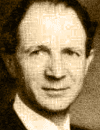
Stanley H. Frodsham preaches about the importance of faith and praise in the Christian life. He emphasizes that a heart filled with faith will produce songs of praise, while a heart filled with unbelief will lead to murmuring and complaining. Frodsham uses the example of the children of Israel in th